Ablerus
Howard, 1894
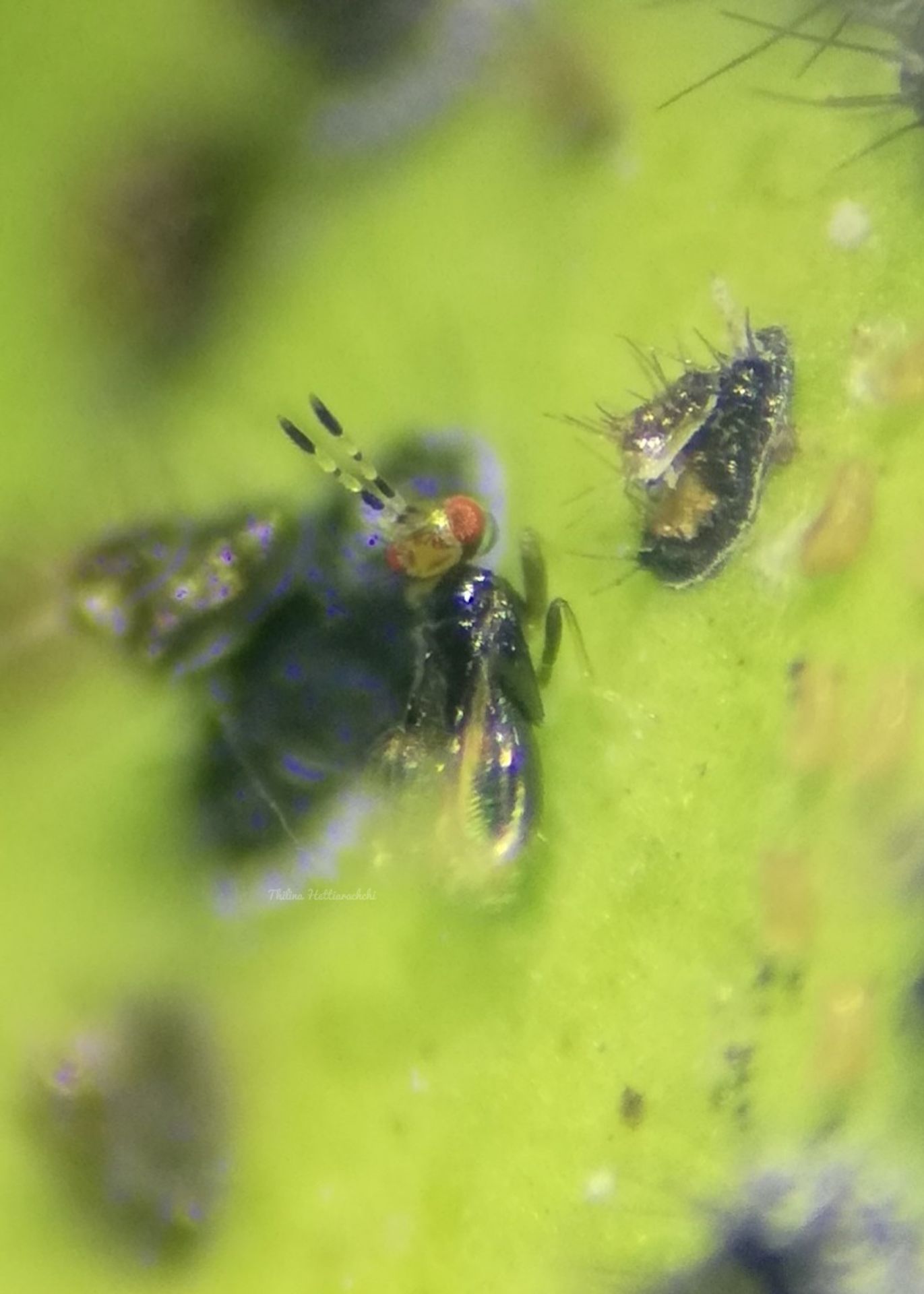
Ablerus is a of minute chalcid wasps and the sole genus in the Azotidae. The genus was established by Leland Ossian Howard in 1894 and currently contains over 90 described worldwide. These are primarily hyperparasitoids, attacking other Hymenoptera that target whiteflies (Aleyrodidae) and scale insects (Coccoidea, particularly Diaspididae). Some species function as primary parasitoids of insect . The family Azotidae was elevated from rank (Azotinae in Aphelinidae) in 2013.
Pronunciation
How to pronounce Ablerus: /ˈæblɪrəs/
These audio files are automatically generated. While they are not always 100% accurate, they are a good starting point.
Identification
Identification to requires examination of female specimens using specialized keys; seven species occur in North America with published identification keys available. The is distinguished from other chalcid genera by a combination of antennal and wing characters detailed in taxonomic literature. Males are generally less well characterized in published keys.
Images
Appearance
Minute typical of Chalcidoidea, with reduced wing venation characteristic of the superfamily. Specific morphological features distinguishing Ablerus from related include details of antennal structure and wing , though these require microscopic examination. Females of North American can be identified using published keys.
Distribution
Worldwide distribution with over 90 described . Documented from North America (eight species, including three from Mexico), the Galapagos Islands (first record from Ecuador), India (Kerala), and the Oriental region. GBIF records indicate presence in Ohio and Kerala.
Host Associations
- Aleyrodidae - indirect of primary targeted by Ablerus hyperparasitoids
- Coccoidea - indirectScale insects, particularly Diaspididae, of primary targeted by Ablerus hyperparasitoids
- Diaspididae - indirectArmored scale insects, specific within Coccoidea
- Hymenoptera parasitoids - directPrimary ; Ablerus attacks that target whiteflies and scale insects
- Insect eggs - directSome are primary of of various insects
Behavior
Hyperparasitoid is the predominant mode: attack other Hymenoptera rather than feeding directly on insects. Some exhibit primary parasitoid , attacking insect directly.
Ecological Role
As hyperparasitoids, members of this occupy the fourth in involving whiteflies and scale insects, potentially regulating of primary . The ecological impact of this top-down control on agricultural pest management has not been quantified in available sources.
Human Relevance
No direct economic importance documented. Potential indirect relevance through effects on programs targeting whiteflies and scale insects, where hyperparasitism by Ablerus may reduce efficacy of introduced or native primary .
Similar Taxa
- Aphelinidae (other genera)Formerly classified within Aphelinidae as Azotinae; distinguished by hyperparasitoid and specific morphological characters of and wings
- Other Chalcidoidea hyperparasitoidsShares hyperparasitoid lifestyle with some members of other chalcid ; distinguished by taxonomic characters and specific associations with whitefly and insect complexes
More Details
Taxonomic history
The Azotus was synonymized with Ablerus by Girault in 1913. Myocnemella was synonymized by Hayat in 1994. The Azotinae was elevated to rank as Azotidae in 2013, making Ablerus the sole genus in a family.
Species diversity
Over 90 described worldwide, with ongoing taxonomic work including recent descriptions from Mexico (Ablerus bajacalifornicus, Ablerus mexicanus) and the Galapagos Islands (Ablerus byroni).
Sources and further reading
- BugGuide
- Wikipedia
- GBIF taxonomy match
- iNaturalist taxon
- NCBI Taxonomy
- Catalogue of Life
- El género Ablerus Howard (Hymenoptera: Aphelinidae) en América del Norte, con la descripción de dos especies nuevas de México
- First record of the family Azotidae from Ecuador, with a description of a new species of Ablerus Howard (Hymenoptera: Chalcidoidea: Azotidae) from the Galapagos Islands