
Epeolus carolinus
Mitchell, 1962
Carolina Cellophane-cuckoo Bee
Epeolus carolinus is a of cuckoo bee in the Apidae, first described by Mitchell in 1962. As a cleptoparasitic , it lays in the nests of bee species rather than constructing its own nests or collecting pollen. The species is native to North America and is one of approximately 43 recognized Epeolus species on the continent. Like other members of its , it is associated with polyester bees (Colletes) as hosts.
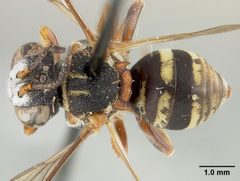
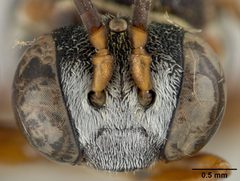
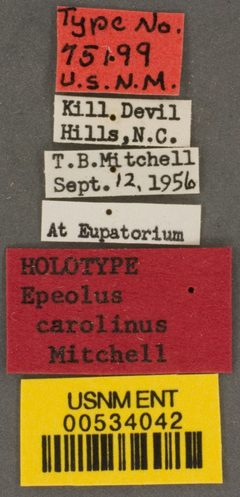
Pronunciation
How to pronounce Epeolus carolinus: /ɛˈpiːələs kæroʊˈlaɪnəs/
These audio files are automatically generated. While they are not always 100% accurate, they are a good starting point.
Images
Distribution
North America
Host Associations
- Colletes - kleptoparasiteEpeolus are known to parasitize nests of polyester bees in the Colletes; this specific association is inferred from genus-level patterns but direct documentation for E. carolinus is not confirmed
Similar Taxa
- Epeolus attenboroughiRecently described congeneric cuckoo bee from western North America (Colorado and New Mexico) with similar cleptoparasitic and appearance; distinguished by specific pattern of short black, white, red, and yellow hairs and geographic separation
- Other Epeolus speciesApproximately 43 Epeolus occur in North America, distinguished by subtle differences in hair pattern, coloration, and male genitalia; precise identification requires examination
More Details
Taxonomic note
The name 'Epeolus' is thought to be a diminutive of Epeus/Epeius from Greek mythology, the soldier credited with devising the Trojan Horse—an allusion to the deceptive, infiltrating nature of these cleptoparasitic bees
Conservation status
No formal conservation assessment available; like many cleptoparasitic bees, rarity may be underestimated due to low detectability and dependence on