
Svastra obliqua
(Say, 1837)
sunflower bee
Species Guides
3- Svastra obliqua caliginosa(long-horned bee)
- Svastra obliqua expurgata(sunflower bee)
- Svastra obliqua obliqua
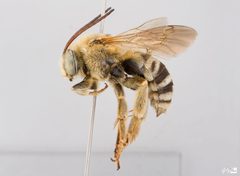
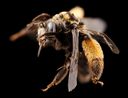
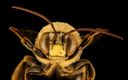
Svastra obliqua is a long-horned bee in the Apidae, commonly known as the sunflower . It is native to Central America and North America, with three recognized . The shows strong floral fidelity to sunflowers (Helianthus) and other members of the Asteraceae family, though it will collect pollen from various aster family plants. Males exhibit distinctive sleeping , clustering on flowers or stems at night while females nest in underground burrows.
Pronunciation
How to pronounce Svastra obliqua: /ˈsvaːstra oˈbliːkwa/
These audio files are automatically generated. While they are not always 100% accurate, they are a good starting point.
Images
Distribution
Central America and North America.
Diet
Collects pollen primarily from sunflowers (Helianthus) and other members of the Asteraceae (aster ). Has been observed foraging on sneezeweed (Helenium autumnale) and purple coneflower (Echinacea purpurea).
Life Cycle
Females nest in the ground, creating burrows with round entrance holes approximately the diameter of a pencil or slightly smaller, sometimes with small piles of dirt resembling mini-volcanoes. Males do not participate in nesting.
Behavior
Males sleep in on flowers or stems at night, typically beginning to cluster around sunset and remaining until morning. These sleeping aggregations are usually single- clusters based on suitable perches rather than proximity to female nests, though they likely occur within 100 yards of nesting females. Males are territorial and will dive-bomb other to defend floral resources for females. Females are solitary ground-nesters, each digging her own burrow; nests may be widely separated or clustered depending on local conditions.
Ecological Role
of sunflowers and other Asteraceae. Contributes to pollination of native plants and agricultural crops.
Human Relevance
Important native for sunflower and other agricultural and garden plants. Subject of conservation concern as part of broader native diversity; contributes to services valued at billions of dollars globally.
Similar Taxa
- Melissodes agilisAlso a long-horned bee with similar male sleeping on flowers; males of both may be found sleeping on the same plant species. Distinguished by subtle morphological differences and floral preferences.
- Melissodes robustiorSimilar size and ; males also sleep on flowers. Identification requires examination of morphological details.
Sources and further reading
- BugGuide
- Wikipedia
- GBIF taxonomy match
- NCBI Taxonomy
- Catalogue of Life
- Does Sneezeweed Make You Sneeze? | Bug Squad
- Outstanding PBS Deep Look Video: 'Why Do Sunflowers Face the Sunrise?' | Bug Squad
- A Push to Protect Pollinators | Bug Squad
- A Big Bee Bash Is Beckoning: Learn About California's Native Bees | Bug Squad
- What's Not to Love About 'Boys' Night Out'? | Bug Squad
- About Those Sleepovers... | Bug Squad