
Melissodes subillatus
LaBerge, 1961
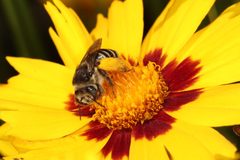
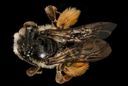
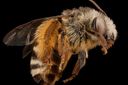
Melissodes subillatus is a of long-horned bee in the Apidae, described by LaBerge in 1961. It belongs to a of solitary, ground-nesting bees commonly known as long-horned bees due to the elongated of males. Like other Melissodes species, it is native to North America and contributes to pollination of flowering plants. Specific ecological details for this species remain poorly documented in published literature.
Pronunciation
How to pronounce Melissodes subillatus: /mɛˈlɪsoʊdiːz sʌbɪˈleɪtəs/
These audio files are automatically generated. While they are not always 100% accurate, they are a good starting point.
Images
Distribution
North America; specifically recorded from Vermont, United States. Distribution records indicate presence in North America broadly, though detailed range boundaries are not well established.
Similar Taxa
- Melissodes agilisSimilar -level and male sleeping on flowers, though M. agilis is more frequently documented and distinguished by specific territorial patterns
- Melissodes robustiorClosely related congeneric with comparable male long-horned ; differentiation requires examination of subtle morphological characters such as facial markings and genitalia
- Svastra obliquaRelated eucerine with similar male roosting on vegetation; distinguished by different antennal proportions and abdominal banding patterns
Sources and further reading
- BugGuide
- GBIF taxonomy match
- iNaturalist taxon
- NCBI Taxonomy
- Catalogue of Life
- About Those Sleepovers... | Bug Squad
- The Year 2017: 'Survival of the Flittest' | Bug Squad
- What's Not to Love About 'Boys' Night Out'? | Bug Squad
- 2023: These Are a Few of My Favorite Things | Bug Squad
- Seen Any Monarchs Lately? | Bug Squad
- 'Bee' One in a Million | Bug Squad