
Centris atripes
Mocsáry, 1899
Black-legged Oil-Digger
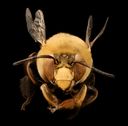
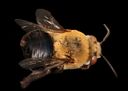
Centris atripes is a of oil-collecting in the Apidae, commonly known as the Black-legged Oil-Digger. It occurs in Central America and North America. Like other Centris species, it has been observed collecting floral oils rather than nectar from certain plants. It is a documented of Krameria erecta and Senna wislizeni var. painteri, with activity on the latter occurring during the rainy season.
Pronunciation
How to pronounce Centris atripes: /ˈkɛn.trɪs ˈæ.trɪˌpiːz/
These audio files are automatically generated. While they are not always 100% accurate, they are a good starting point.
Identification
The 'Black-legged Oil-Digger' suggests dark coloration on the legs, which may aid in field recognition. Specific diagnostic features distinguishing C. atripes from other Centris are not documented in available sources. As with other Centris bees, oil-collecting and association with Krameria or Senna flowers may provide contextual identification cues.
Images
Habitat
Found in regions supporting its plants, including dry slopes and sand shinnery oak shrubland in Oklahoma. Associated with where Krameria and Senna occur.
Distribution
Central America and North America. GBIF records indicate presence in Middle America and North America.
Seasonality
Active during the rainy season when pollinating Senna wislizeni var. painteri.
Diet
Collects fatty oils from floral elaiophores rather than nectar. Documented collecting oils from Krameria erecta and Senna wislizeni var. painteri. Oils are mixed with pollen to provision larvae.
Host Associations
- Krameria erecta - of this Krameria
- Senna wislizeni var. painteri - Pollinates during the rainy season
Behavior
Ecological Role
Similar Taxa
- Centris lanosaCollected from the same Krameria flowers in Oklahoma; identification to requires expert examination