
Andrena geranii
Robertson, 1891
Geranium Miner Bee, Geranium Andrena
Andrena geranii is a solitary mining bee in the Andrenidae, native to North America. It is commonly known as the Geranium Miner or Geranium Andrena, names reflecting its documented association with geranium plants (Pelargonium and Geranium ). Like other members of the Andrena, it is a ground-nesting bee that excavates tunnels in soil to provision with pollen and nectar for its larvae. The species is part of the diverse Andrena fauna of eastern North America, though detailed ecological studies specific to this species remain limited.

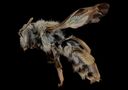
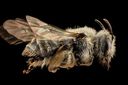
Pronunciation
How to pronounce Andrena geranii: /ænˈdɹiːnə dʒəˈɹeɪnaɪ/
These audio files are automatically generated. While they are not always 100% accurate, they are a good starting point.
Identification
Andrena geranii can be distinguished from other Andrena by its confirmed association with geranium flowers as a pollen and nectar source. Most Andrena species are oligolectic or polylectic with specific plant preferences, and A. geranii's specialization on Geraniaceae provides a field clue. Detailed morphological characters require examination of microscopic features including facial foveae , scopal hair structure, and genitalia. It is most similar to other medium-sized spring-flying Andrena species, and definitive identification typically requires reference to keys or expert verification.
Images
Distribution
North America; specifically recorded from Vermont in the northeastern United States. The full extent of its range within North America is not comprehensively documented in available sources.
Diet
Pollen and nectar collected primarily from geranium plants (Pelargonium and Geranium , Geraniaceae). The and specific epithet reflect this documented plant association.
Host Associations
- Geranium - pollen/nectar source plant for pollen and nectar collection
- Pelargonium - pollen/nectar source plant for pollen and nectar collection
Ecological Role
As a solitary , Andrena geranii functions as a of its plants in the Geraniaceae . Its ground-nesting habit contributes to soil aeration and nutrient cycling. The likely serves as a host for cleptoparasitic bees (Nomada species) and parasitic flies (Conopidae), as documented for related Andrena species, though specific records for A. geranii are not available.
Human Relevance
Andrena geranii contributes to the pollination of ornamental geranium and pelargonium plants in gardens and horticultural settings. The is not known to be aggressive and poses minimal stinging risk to humans. Its presence indicates functional with appropriate floral resources and bare ground nesting sites.
Similar Taxa
- Andrena carliniSimilar size and spring period; distinguished by plant preference (maples and willows versus geraniums) and subtle morphological differences in facial foveae and scopal hairs
- Andrena barbilabrisAnother medium-sized spring Andrena; distinguished by preference for sandy substrates and different plants (Salix, Ranunculus)
- Other Andrena speciesMany Andrena overlap in general appearance; A. geranii is most reliably distinguished by its documented association with Geraniaceae flowers, though this requires careful observation in the field
Sources and further reading
- BugGuide
- Wikipedia
- GBIF taxonomy match
- NCBI Taxonomy
- Catalogue of Life
- Not-so Solitary Bees - Buglife Blog - Buglife
- Northern Ireland, invertebrate finds in review 2023 - Buglife Blog - Buglife
- In a New Study, Spring Forest Bees Get Their Due
- Bare ground experiments to help save rare bees and wasps - Buglife Blog - Buglife
- What’s in a name….? - Buglife Blog - Buglife
- Bees of the Changing Chalk Partnership Area - Buglife Blog - Buglife