Arytainilla
Loginova, 1972
Species Guides
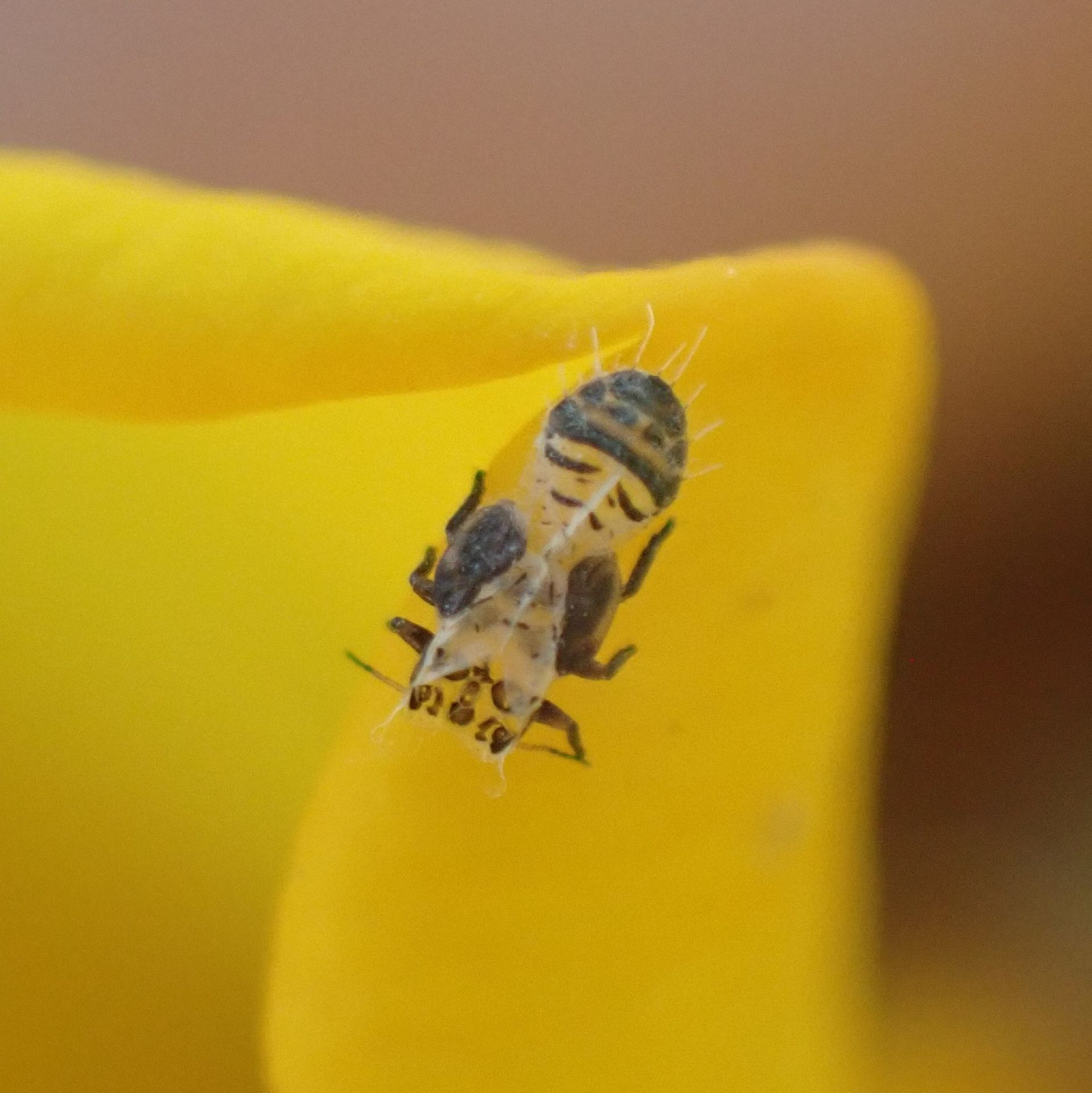
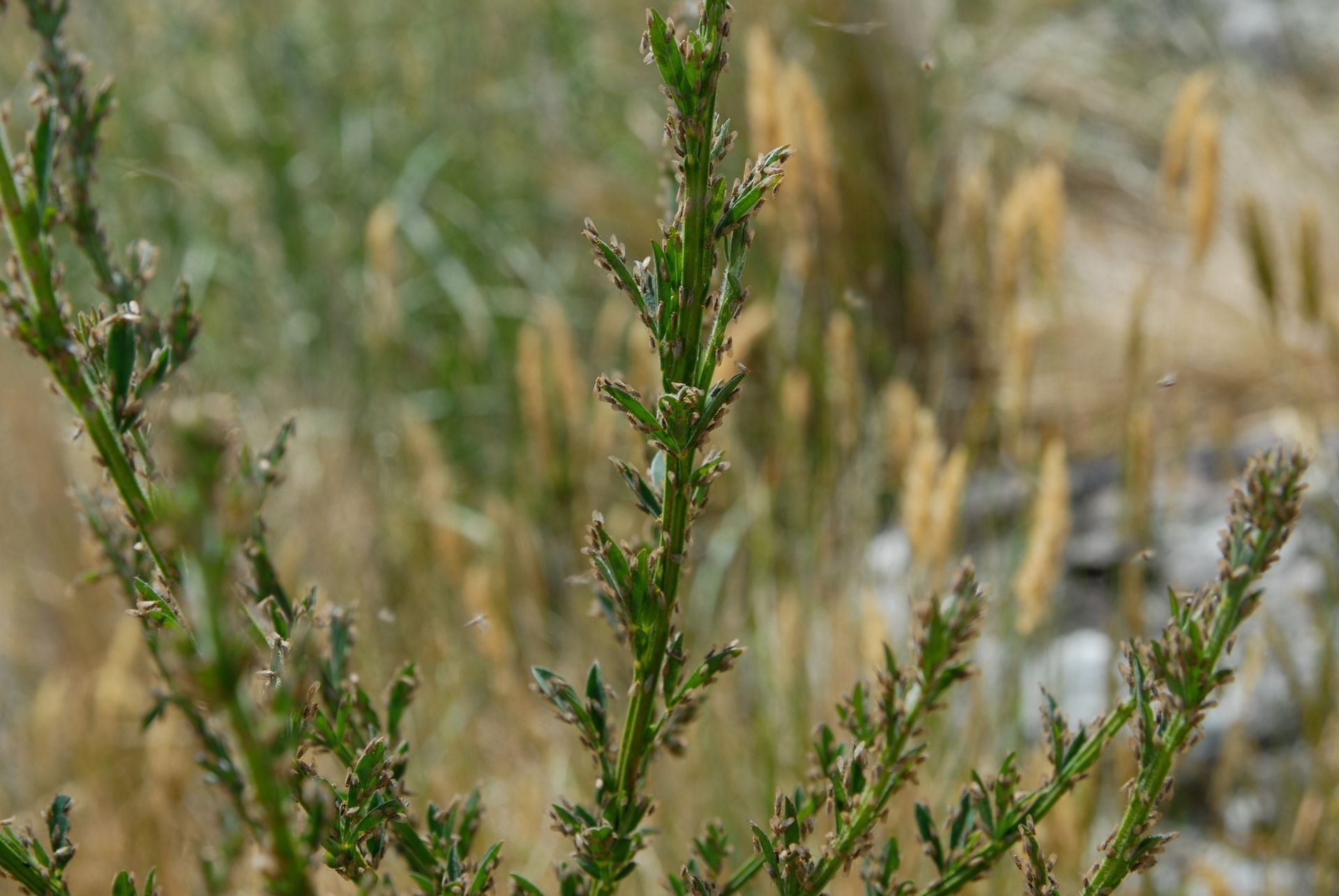
1- Arytainilla spartiophila(Broom psyllid)
Arytainilla is a of plant-feeding psyllids erected by Marianna Loginova in 1972. The genus was historically placed in the Arytaininae but is now classified in Psyllinae. are predominantly Palaearctic in distribution, with at least one species, A. spartiophila, introduced to multiple regions as a agent for brooms.
Pronunciation
How to pronounce Arytainilla: //ˌæɹɪˈteɪnɪlə//
These audio files are automatically generated. While they are not always 100% accurate, they are a good starting point.
Identification
Images
Habitat
Associated with leguminous plants, particularly brooms (Cytisus, Genista) and related Fabaceae. Native occur in Mediterranean and temperate European environments.
Distribution
Native to Europe and North Africa (Palaearctic region). Introduced established in New Zealand, with possible introductions to Australia and western USA.
Diet
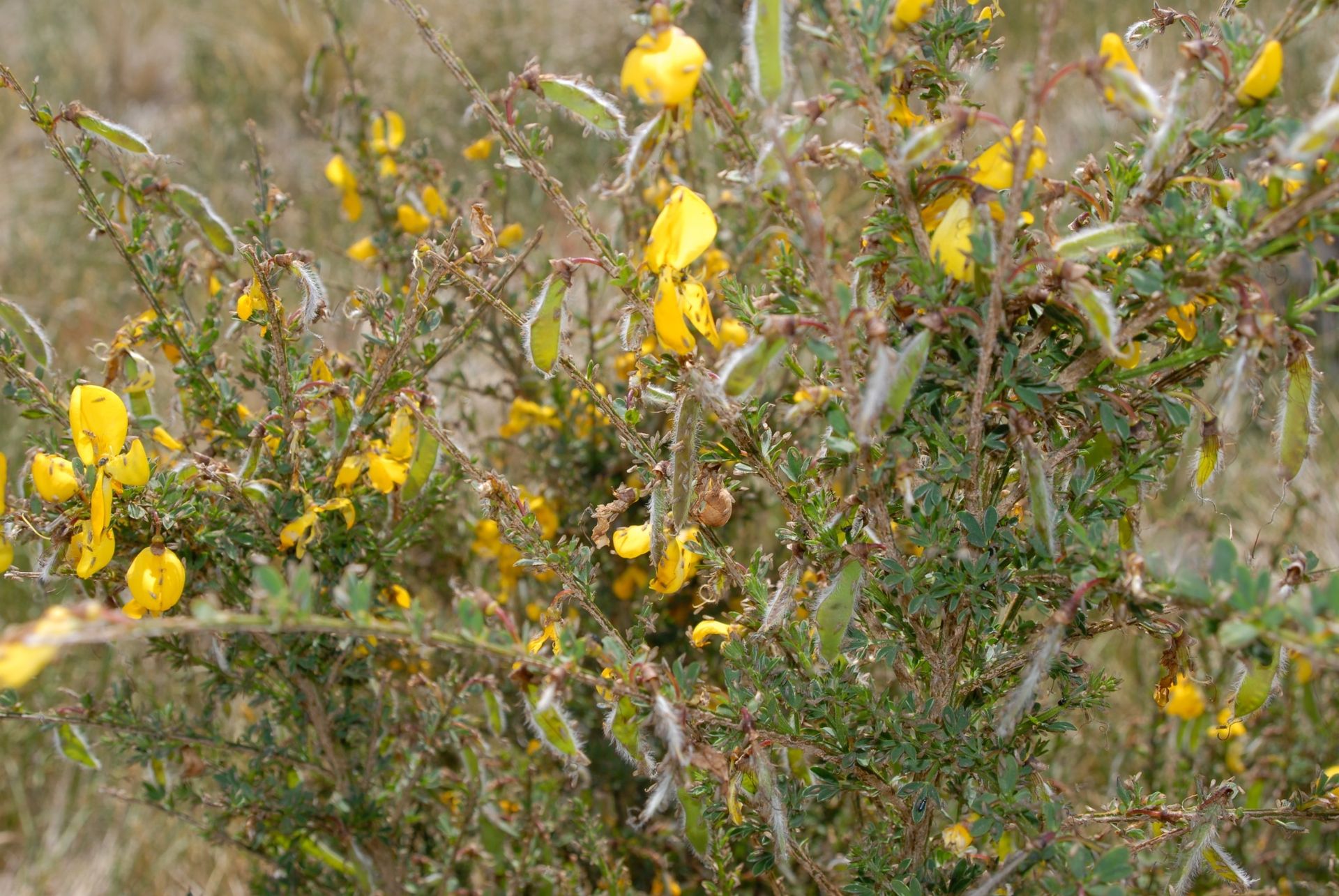
Phloem-feeding on plants. A. spartiophila feeds primarily on Cytisus scoparius (Scotch broom), with secondary association to Genista monspessulana (French broom) and minimal association to Ulex europaeus (gorse).
Host Associations
- Cytisus scoparius - primary Scotch broom; primary for A. spartiophila
- Genista monspessulana - secondary French broom; secondary for A. spartiophila
- Ulex europaeus - occasional gorse; minimal association for A. spartiophila
Ecological Role
A. spartiophila has been deployed as an agent to suppress Scotch broom in New Zealand.
Human Relevance
Used in programs for management of broom . No significant direct economic or health impacts to humans documented.
Similar Taxa
More Details
Taxonomic history
Originally described in Arytaininae; subsequently reclassified to Psyllinae based on phylogenetic revision.
Biological control applications
Post-establishment studies in New Zealand confirmed specificity of A. spartiophila, validating its safety as a biocontrol agent with minimal non-target effects.