
Kuwaniidae
MacGillivray, 1921
Genus Guides
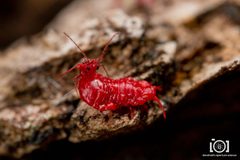
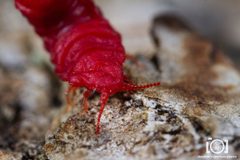
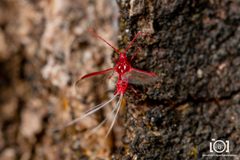
2Kuwaniidae is a small of scale insects within the order Hemiptera, first described by MacGillivray in 1921. The family comprises approximately 14 described distributed across four : Kuwania, Neogreenia, Neosteingelia, and the extinct genus Hoffeinsia. Members of this family are classified within the superfamily Coccoidea, which includes all scale insects and mealybugs. Kuwaniidae represents one of the lesser-known families of scale insects, with limited biological and ecological documentation available.
Pronunciation
How to pronounce Kuwaniidae: /kuːˈwɑː.ni.aɪ.iːˌdiː/
These audio files are automatically generated. While they are not always 100% accurate, they are a good starting point.
Identification
Kuwaniidae can be distinguished from other insect by a combination of morphological features, though specific diagnostic characters require examination. The family is placed in the superfamily Coccoidea alongside other scale families. Definitive identification to family level typically requires microscopic analysis of female , including features of the body segmentation, wax gland distribution, and anatomical structures associated with the mouthparts and . The extinct Hoffeinsia is known only from Baltic amber inclusions.
Images
Distribution
The extant of Kuwaniidae (Kuwania, Neogreenia, Neosteingelia) have been recorded from various regions, though precise geographic ranges are poorly documented in available sources. The extinct genus Hoffeinsia is known from Eocene Baltic amber deposits, indicating a historical presence in the Palearctic region during that epoch.
Similar Taxa
- other Coccoidea familiesKuwaniidae shares the general insect body plan with such as Coccidae (soft scales), Diaspididae (armored scales), and Pseudococcidae (mealybugs). Differentiation requires examination of specific morphological characters including the structure of the anal ring, presence and arrangement of wax glands, and leg segmentation in females.
More Details
Taxonomic history
The Kuwaniidae was established by MacGillivray in 1921. The Kuwania, named by Cockerell in 1903, provides the root for the family name. The inclusion of the extinct genus Hoffeinsia, described from Baltic amber by Koteja in 2008, represents the only fossil record definitively assigned to this family and provides minimum age constraints for the lineage.
Data limitations
Biological and ecological information for Kuwaniidae is notably sparse in the scientific literature. The is rarely encountered in ecological studies, and most are known from few specimens. This data deficiency reflects both the cryptic habits of scale insects generally and the apparent rarity or restricted distributions of kuwaniid species.