
Unaspis citri
(Comstock, 1883)
Citrus Snow Scale, Orange Chionaspi, Orange Snow Scale, White Louse Scale, White Snow Scale
is an insect (Hemiptera: Diaspididae) that infests citrus crops worldwide. The forms dense colonies on bark, fruit, and leaves, causing direct damage through sap feeding and indirect harm by promoting growth. It is economically significant in citrus-producing regions, particularly Florida, where management requires integrated approaches combining monitoring, , and targeted chemical applications.
Pronunciation
How to pronounce Unaspis citri: //juːˈnæspɪs ˈsɪtraɪ//
These audio files are automatically generated. While they are not always 100% accurate, they are a good starting point.
Identification
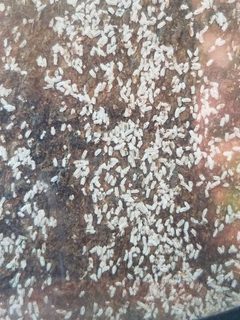
is distinguished from other citrus by its narrow, snow-white, elongate test that resembles a or small white line. It differs from Lepidosaphes ulmi (oystershell scale) by preference and test shape—U. citri tests are more uniformly linear and strictly associated with citrus. It differs from (Lepidosaphes beckii) by coloration (white vs. purple-brown) and from Florida red scale (Chrysomphalus aonidum) by test and lack of reddish coloration. Microscopic examination of the ( body segment) reveals diagnostic sclerotized plates and gland spines for definitive identification.
Images
Habitat
Citrus groves and orchards; residential citrus plantings. Colonizes all above-ground plant parts including bark of trunk and branches, leaves, and fruit. Thrives in humid subtropical climates typical of major citrus production regions.
Distribution
in citrus-growing regions worldwide. Documented across North, Central, and South America (including United States, Mexico, Brazil, Argentina); Caribbean islands; Europe (Azores, Spain, Italy, Greece); Africa (West Africa, South Africa, Mauritius, Madagascar); Asia (China, Japan, Southeast Asia, Indonesia, Philippines); Australasia (Australia, New Zealand, Papua New Guinea); and Pacific Islands (Fiji, Samoa, Tonga, New Caledonia).
Diet
Phloem sap feeder; inserts stylets into vascular tissue of citrus plants to extract nutrients.
Host Associations
- Citrus - primary All commercial citrus cultivars including oranges, lemons, mandarins, grapefruit, and limes
Life Cycle
Females develop through , (first-instar nymph), and stages beneath the protective test. Males complete egg, two nymphal instars, and pupal stages before emerging as winged . is sexual; males locate sessile females for mating. Multiple overlapping occur annually in favorable climates.
Behavior
First-instar are the only mobile stage, dispersing to find suitable feeding sites before secreting their permanent tests. are (females) or short-lived and non-feeding (males). Colonies form dense on preferred bark surfaces, with older developing characteristic snowy white appearance on trunks and branches.
Ecological Role
Primary consumer; phloem feeder that converts plant sap to . Honeydew supports growth of fungi (Capnodium spp.), which reduces and fruit marketability. Serves as prey for natural enemies including and predatory beetles.
Human Relevance
Major economic pest of citrus causing direct yield loss through tree debilitation, premature fruit drop, and reduced fruit quality. renders fruit unmarketable for fresh consumption. Control costs and production losses are substantial in Florida and other citrus regions. Subject to regulations and programs. using has been implemented in some regions.
Similar Taxa
- Lepidosaphes ulmiPreviously misidentified as U. citri in the Philippines; differs in broader range (rosaceous and other woody plants) and test
- Lepidosaphes beckii on citrus; distinguished by dark purple-brown test coloration and different pygidial
- Unaspis lansivoraRecently described from Lansium domesticum in Philippines; previously misidentified as U. citri; differs in plant and subtle morphological characters
More Details
Sources and further reading
- BugGuide
- Wikipedia
- GBIF taxonomy match
- iNaturalist taxon
- NCBI Taxonomy
- Catalogue of Life
- Molecular Biologist Michelle Heck: Challenges of Citrus Greening Disease | Bug Squad
- Walter Leal: Special Award for Citrus Pest Research | Bug Squad
- Research Examines Potential of Alternate Host Plant as a Trap Crop for Asian Citrus Psyllid
- Wasps Used to Combat Citrus Greening Disease are Unlikely to Threaten Non-target Insects
- Fatal Attraction: A Novel Solution to the Problem of Asian Citrus Psyllid on Residential Citrus
- Sterile Insect Technique Shows Promise Against Asian Citrus Psyllid
- Unaspis citri . [Distribution map].
- Citrus Snow Scale Unaspis citri (Comstock) (Insecta: Hemiptera: Coccoidea: Diaspididae)
- Unaspis lansivora sp. n. (Hemiptera: Diaspididae), a new pest of Lansium domesticum (Meliaceae), and a key to Unaspis species