
Cerococcus
Comstock, 1882
ornate pit scales
Species Guides
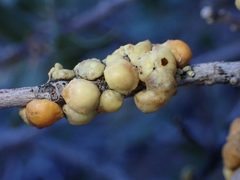
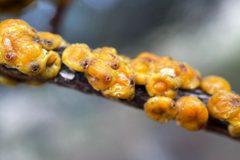
1- Cerococcus quercus(Oak Wax Scale)
Cerococcus is a of scale insects in the Cerococcidae, commonly known as ornate pit scales. These insects are characterized by their distinctive waxy coverings and association with plant . The genus was established by Comstock in 1882 and contains found primarily in the Americas. Members of this genus are part of the diverse of Coccoidea, the superfamily of scale insects.
Pronunciation
How to pronounce Cerococcus: //ˌsɛr.oʊˈkɒkəs//
These audio files are automatically generated. While they are not always 100% accurate, they are a good starting point.
Identification
Cerococcus can be distinguished from other Cerococcidae by the structure of their waxy test (covering), which often features , reticulated, or pit-like patterns. females are and covered by a protective waxy secretion. Identification to species level requires microscopic examination of morphological features including the arrangement of pores, setae, and glandular structures on the body surface.
Images
Distribution
of Cerococcus have been recorded from the Americas, with particular diversity in the Nearctic and Neotropical regions. Specific distribution varies by species.
Diet
Like other scale insects, in this feed on plant sap. Specific plant associations vary by species but have been documented on various woody plants.
Life Cycle
As with other scale insects, Cerococcus exhibit and complex involving females and mobile stages. Detailed life cycle information is species-specific and not well documented for the as a whole.
Behavior
females are and remain permanently attached to plant tissue. stages () are mobile and disperse to find feeding sites.
Ecological Role
As phloem feeders, these scale insects can affect plant health and may serve as prey for and other natural enemies.
Human Relevance
Some may be occasional pests of ornamental or crop plants, though the is not among the most economically significant insect groups.
Similar Taxa
- CerococcusCerococcidae is a small ; related include those with similar waxy coverings but differ in test structure and morphological details of the female.
More Details
Taxonomic history
The Cerococcidae was established to accommodate scale insects with distinctive morphological features separating them from other families in Coccoidea. Cerococcus is the type of this family.