Neophyllaphis podocarpi
Takahashi, 1920
Podocarpus Aphid
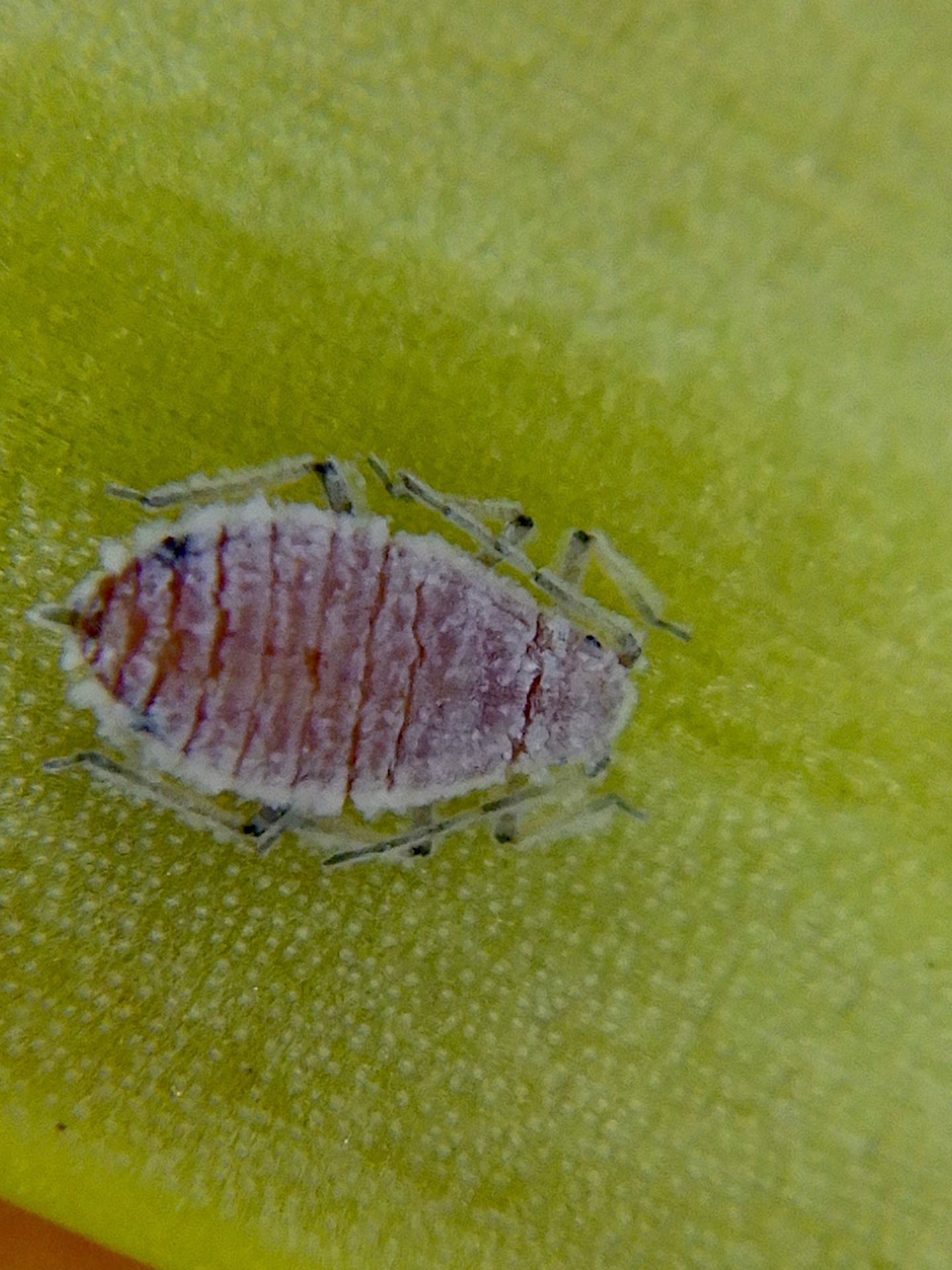
Neophyllaphis podocarpi is an in the Neophyllaphidinae, known as the podocarpus aphid. It is specialized on Podocarpus species (Podocarpaceae), a of coniferous trees. The species was first described from Japan in 1920 and has since been recorded in multiple regions including Hawaii, Italy, the Azores, and the Iberian Peninsula. Its spread appears linked to horticultural trade of plants.
Pronunciation
How to pronounce Neophyllaphis podocarpi: //ˌniː.əˈfɪl.əˌfaɪs ˌpɒ.dəˈkɑr.paɪ//
These audio files are automatically generated. While they are not always 100% accurate, they are a good starting point.
Identification
Belongs to the Neophyllaphidinae, characterized by morphological adaptations associated with feeding on Podocarpaceae. Specific diagnostic features distinguishing it from congeneric are not documented in available sources.
Images
Habitat
Associated with Podocarpus trees, including ornamental plantings and bonsai specimens. Recorded from urban parks and cultivated settings in introduced ranges.
Distribution
Native to Japan (type locality). Introduced to: Hawaii (United States), continental United States, Italy (1989 record on bonsai), Azores Archipelago (since 2010), and Iberian Peninsula (Catalonia, Spain, recorded 2011–2014).
Diet
Feeds on phloem sap of Podocarpus . Documented include Podocarpus neriifolius and Podocarpus macrophyllus.
Host Associations
- Podocarpus neriifolius - primary Native ; recorded in Catalonia, Spain
- Podocarpus macrophyllus - primary Ornamental ; recorded in Portugal
Human Relevance
Potential pest of ornamental Podocarpus , including bonsai. Introduction to new regions appears associated with horticultural trade. No specific economic damage estimates documented.
Similar Taxa
- Neophyllaphis brimblecombeiCongeneric also associated with Podocarpaceae; morphological separation requires examination
- Neophyllaphis totaraeCongeneric with overlapping range on Podocarpus; geographic distribution differs
More Details
Taxonomic note
Catalogue of Life lists this as a synonym, but GBIF and other sources treat it as accepted. Taxonomic status may require verification.
Introduction pathway
Records from Italy (1989, bonsai) and subsequent European detections suggest human-mediated via ornamental plant trade.