Hamamelistes
Shimer, 1867
Spiny Witch-Hazel Gall Aphid (for H. spinosus), Birch Blister Aphid (for H. betulinus)
Species Guides
1- Hamamelistes spinosus(Spiny Witch-Hazel Gall Aphid)
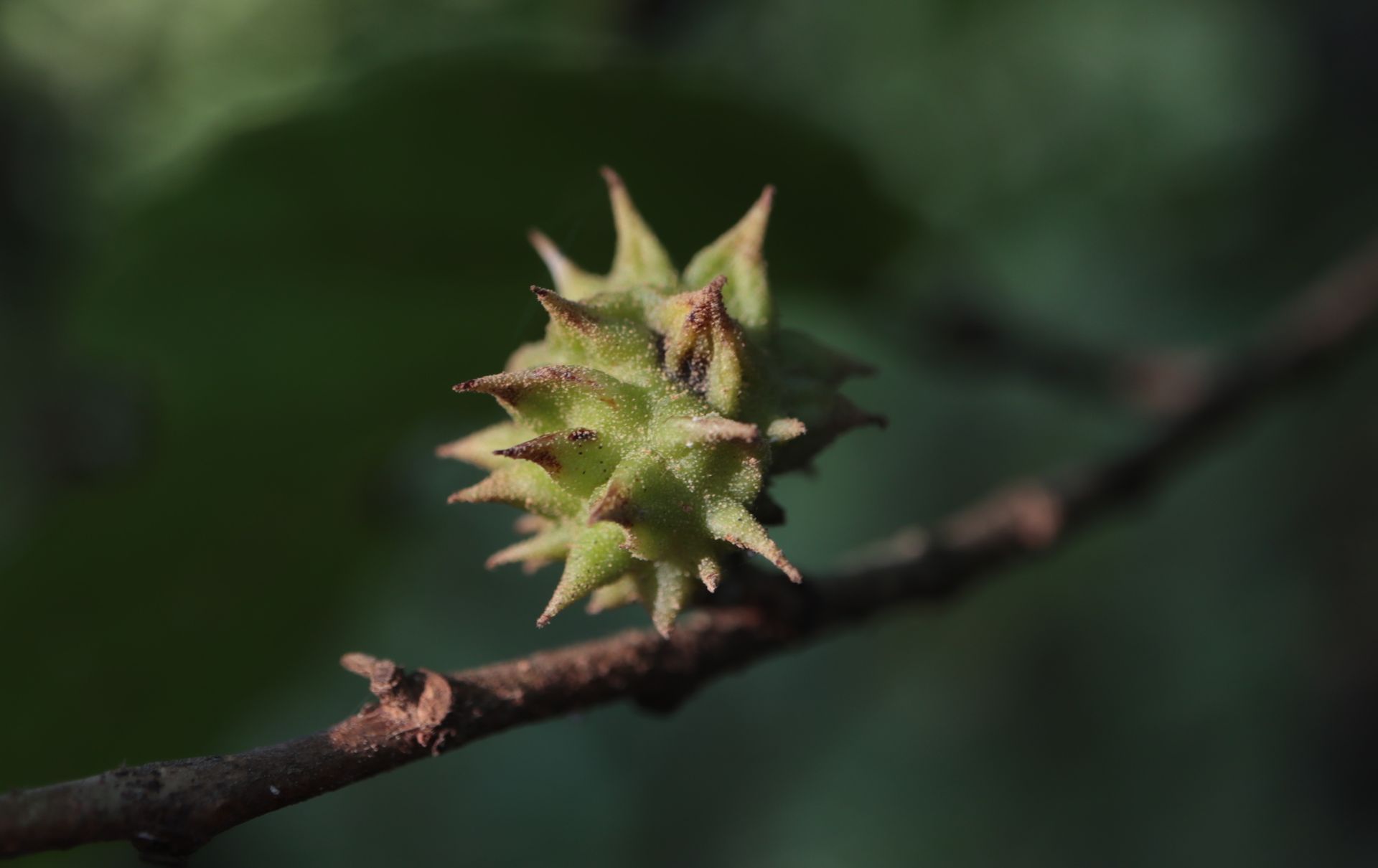
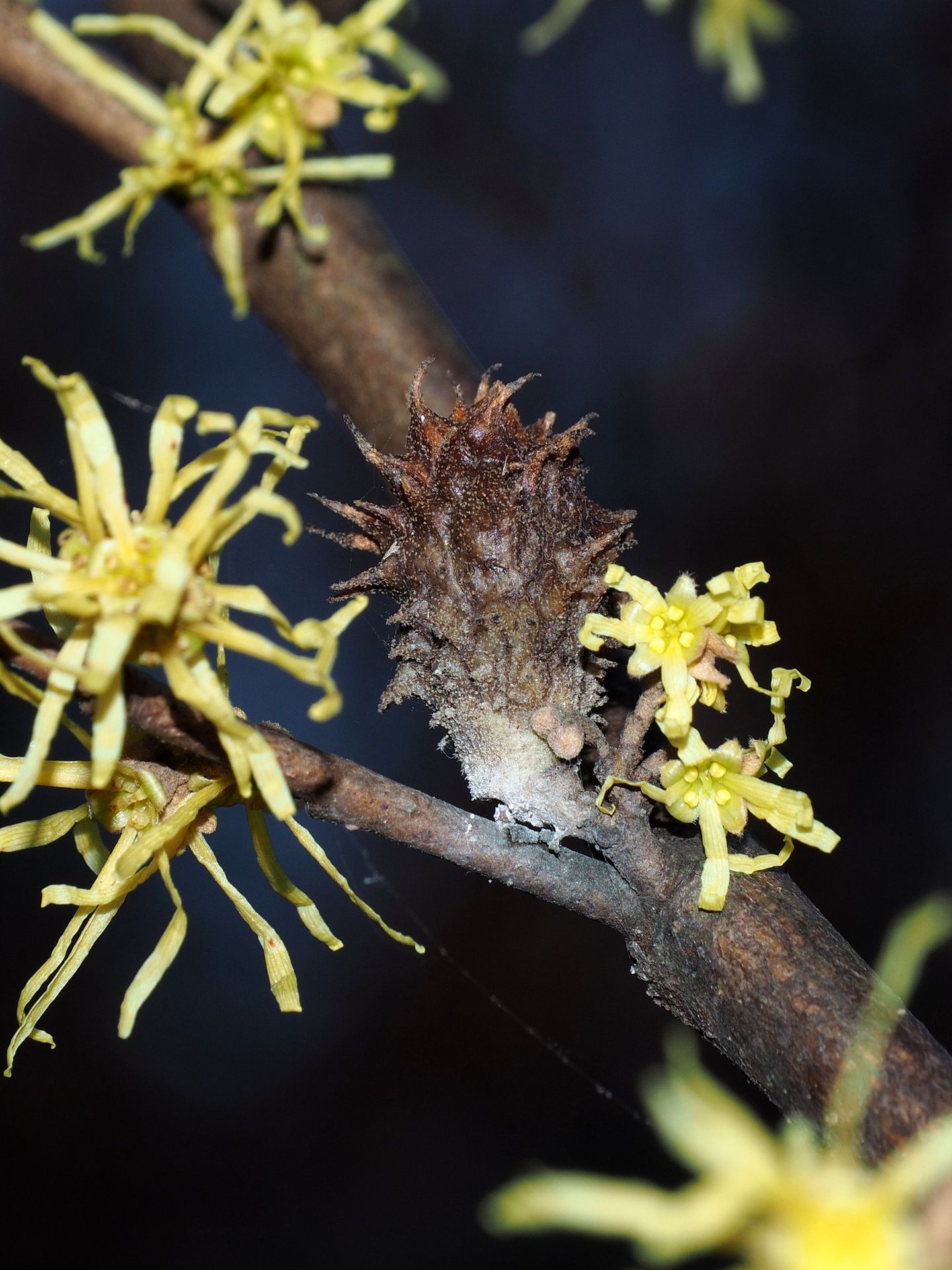
Hamamelistes is a of gall-forming aphids in the tribe Hormaphidini, distributed disjunctly in eastern North America and Eurasia. in this genus induce pouch galls on plants in the Hamamelidaceae, particularly witch-hazel (Hamamelis spp.). Most species have host-alternating involving Hamamelis and birch (Betula spp.), though at least one species is presumed . The genus includes three described species: H. betulinus, H. cristafoliae, and H. spinosus, plus the recently described H. blackmani.
Pronunciation
How to pronounce Hamamelistes: /həˌmæməˈlaɪstiːz/
These audio files are automatically generated. While they are not always 100% accurate, they are a good starting point.
Identification
Distinguished from related in Hormaphidini by gall and associations: Hamamelistes induces globular or elongate pouch galls on Hamamelidaceae, whereas Hormaphis forms conical galls. -level identification requires examination of foundress morphology, stages, and winged forms; molecular analysis of oxidase subunit I sequences has been used to confirm species boundaries.
Images
Habitat
Pouch galls on plants in the Hamamelidaceae; globular galls on flower or leaf buds of Hamamelis spp., and elongate galls formed in place of seed or fruiting structures on Fothergilla spp. Secondary hosts include birch (Betula spp.) for host-alternating .
Distribution
Disjunct distribution in eastern North America and Eurasia. Documented from Denmark, Norway, Sweden, and the United States (Vermont, Alabama).
Diet
Phloem-feeding on plants; specific plant tissues include vascular phloem of Hamamelis, Betula, and Fothergilla .
Host Associations
- Hamamelis spp. - primary Witch-hazel; gall formation on flower or leaf buds
- Betula spp. - secondary Birch; -alternating develop on leaves
- Fothergilla milleri - primary for H. blackmani; galls replace fruiting structures
Life Cycle
-alternating : develop within galls on Hamamelis, followed by generations on leaves of Betula. At least one species (H. blackmani) has a presumed , remaining on Fothergilla without host alternation. of obligate endosymbiotic bacterium Buchnera aphidicola occurs between generations.
Behavior
Induction of pouch galls on plant buds or fruiting structures; colonies contain numerous individuals within enclosed gall structures. Winged forms develop within galls.
Ecological Role
Gall-former on Hamamelidaceae; creates enclosed microhabitats that house colony members. Association with obligate bacterial endosymbiont Buchnera aphidicola, which is vertically transmitted and essential for nutritional supplementation.
Human Relevance
Subject of taxonomic and evolutionary research; H. betulinus studied as model for understanding geographic patterns of -endosymbiont relationships. Galls may be noticeable to observers of witch-hazel and birch.
Similar Taxa
- HormaphisAlso in tribe Hormaphidini; distinguished by conical gall on Hamamelis versus pouch galls in Hamamelistes
More Details
Endosymbiont Biology
Hamamelistes betulinus the obligate bacterial endosymbiont Buchnera aphidicola, transmitted vertically from mother to offspring through to embryos at the cellular stage. No secondary have been detected in this .
Taxonomic History
The tribe Hormaphidini has been restricted to include only Hamamelistes and Hormaphis based on morphological and molecular evidence; other previously included have been excluded.
Sources and further reading
- BugGuide
- Wikipedia
- GBIF taxonomy match
- iNaturalist taxon
- NCBI Taxonomy
- Catalogue of Life
- Description of a new species of Hamamelistes forming galls on Fothergilla spp. (Hamamelidaceae) and the generic limits of Hormaphidini (Sternorrhyncha: Aphididae: Hormaphidinae)
- Buchnera aphidicola of the birch blister aphid, Hamamelistes betulinus (Horváth, 1896) (Insecta, Hemiptera, Aphididae: Hormaphidinae): molecular characterization, transmission between generations and its geographic significance