
Hoplochaitophorus
Granovsky, 1933
Species Guides
1Hoplochaitophorus is a of aphids in the Aphididae, Calaphidinae, and tribe Myzocallidini. It was described by Granovsky in 1933. The genus belongs to the diverse fauna associated with woody , though specific ecological details remain poorly documented. in this genus are characterized by features typical of the Myzocallidini, including specialized morphological adaptations for feeding on trees and shrubs.
Pronunciation
How to pronounce Hoplochaitophorus: /ˌhɒpləˌkaɪtəˈfɔːrəs/
These audio files are automatically generated. While they are not always 100% accurate, they are a good starting point.
Identification
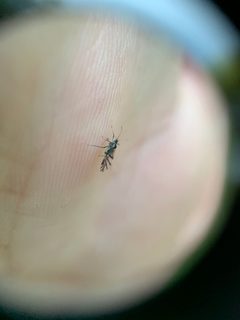
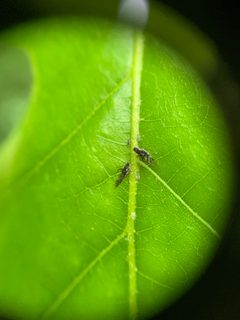
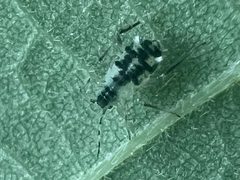
Hoplochaitophorus can be distinguished from related in Myzocallidini by the presence of well-developed abdominal setae on , a trait referenced in the genus name (Greek: hoplon = tool/armor, chaitophorus = hair-bearing). The siphunculi are cylindrical or slightly swollen, with distinct reticulation at the apex. Cauda is typically elongate and finger-shaped. bear secondary rhinaria distributed on segments III-VI in alatae. These features separate it from closely related genera such as Myzocallis and Tuberculatus, which differ in setal arrangement and siphuncular structure.
Images
Distribution
The has been recorded from the Palearctic region, with documented in Europe and Asia. Specific country records include Russia and surrounding regions, consistent with the original description by Granovsky. The sparse iNaturalist observations (6 records) suggest limited documentation in western databases, possibly reflecting actual restricted distribution or under-sampling of fauna in its native range.
Ecological Role
As a of tree-feeding aphids, Hoplochaitophorus function as phloem feeders on woody plants, contributing to nutrient cycling and serving as prey for and . Their specific associations and ecological impacts have not been quantified.
Similar Taxa
- MyzocallisMyzocallis shares tribe Myzocallidini but differs in having shorter setae not borne on prominent , and typically possesses more reduced siphuncular reticulation.
- TuberculatusTuberculatus also has tuberculate setae but shows distinct differences in antennal distribution and cauda shape, with Tuberculatus generally having a more triangular cauda.
- CalaphisCalaphis (same Calaphidinae but different tribe) lacks the pronounced spinal characteristic of Hoplochaitophorus and has a different arrangement of abdominal setae.
More Details
Etymology
The name derives from Greek: 'hoplon' (ὅπλον) meaning tool, implement, or armor, and 'chaitophorus' (χαιτόφορος) meaning hair-bearing, referring to the armed or well-developed hair-bearing characteristic of the genus.
Taxonomic history
Described by Granovsky in 1933, the has remained relatively obscure in , with few subsequent revisions. The type and complete species inventory require verification against modern collections.