Largus cinctus
Herrich-Schaeffer, 1842
bordered plant bug
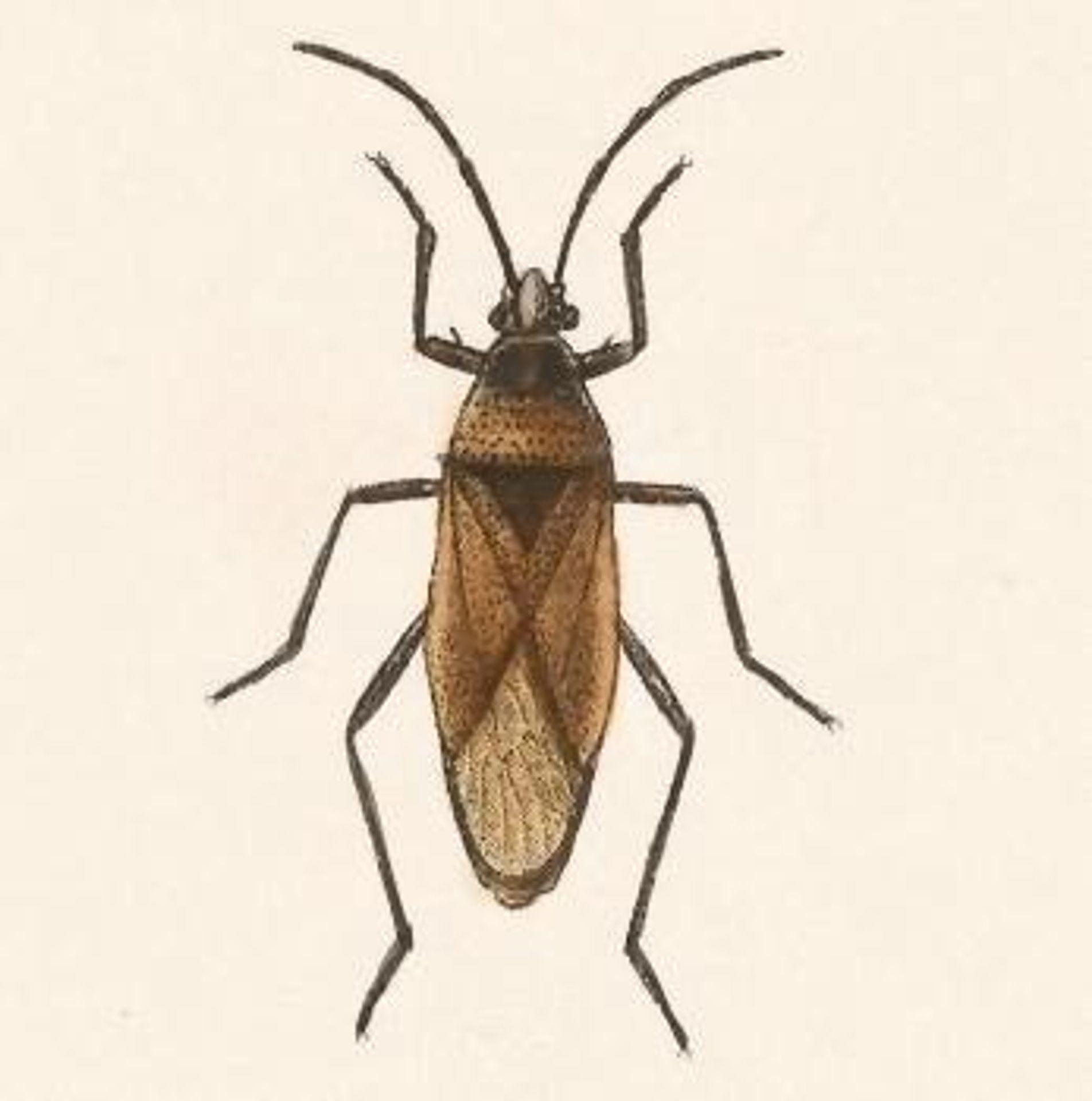
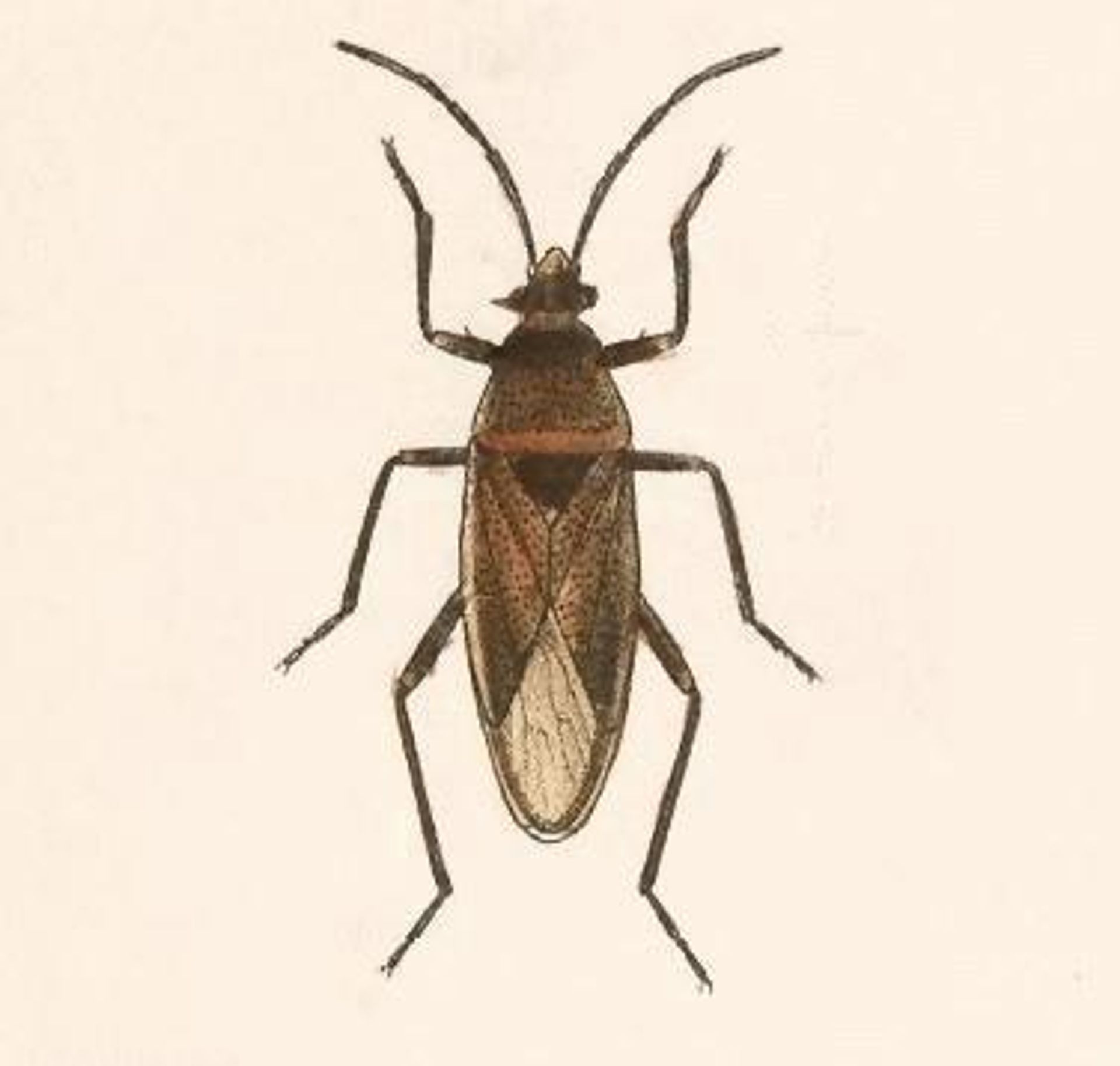
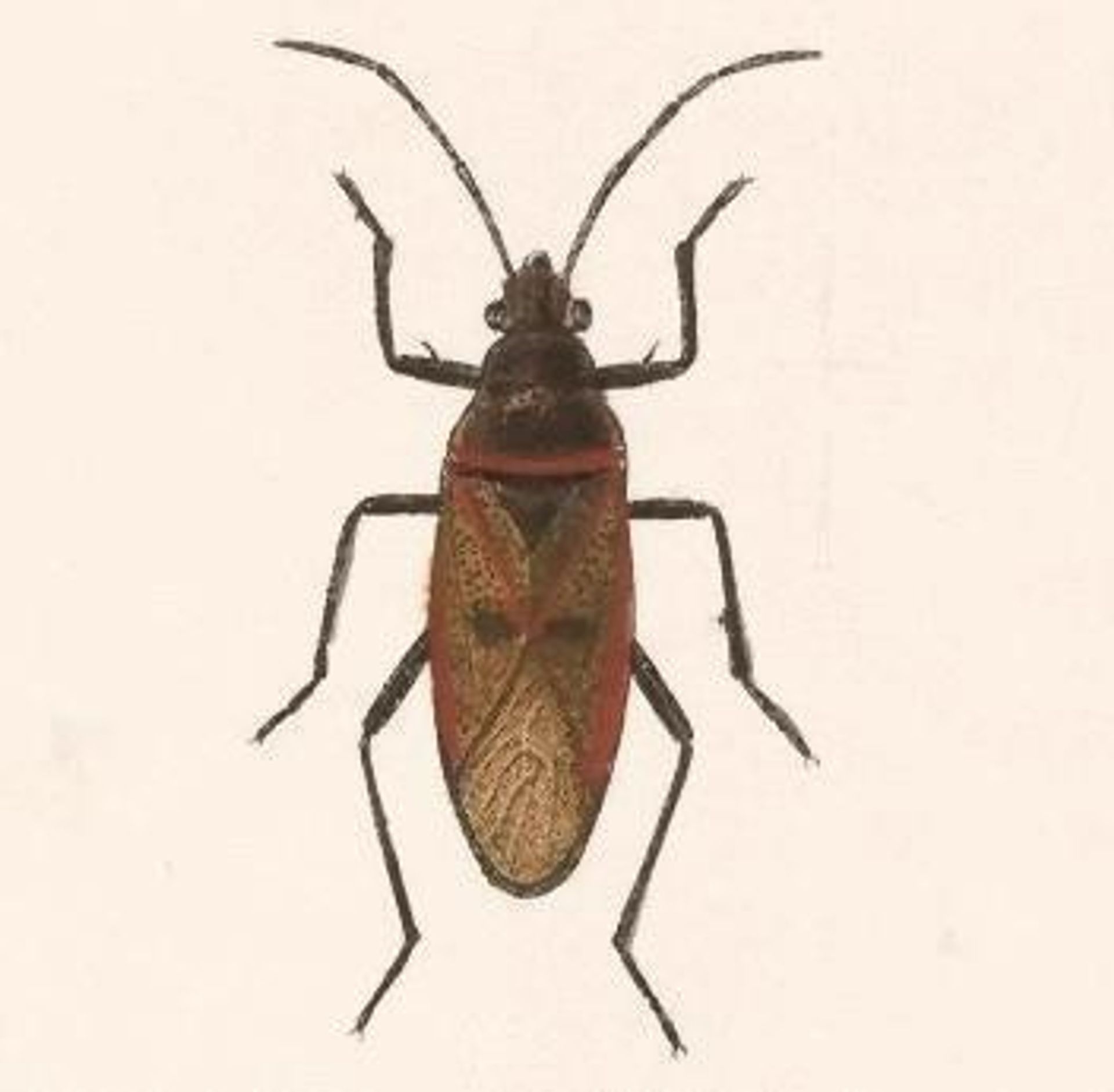
Largus cinctus is a bordered plant bug in the Largidae, distributed across Central, North, and South America. are recognized by the characteristic orange border on the shield behind the and outlining the . Nymphs are metallic blue with a central red spot. The is a feeder on plant juices and is sometimes confused with stink bugs or leaf-footed bugs.
Pronunciation
How to pronounce Largus cinctus: /ˈlɑrɡəs ˈsɪŋktəs/
These audio files are automatically generated. While they are not always 100% accurate, they are a good starting point.
Identification
Distinguished from stink bugs (Pentatomidae) by the bordered color pattern rather than solid shield shape; separated from leaf-footed bugs (Coreidae) by lack of leaf-like expansions on hind legs; differentiated from cotton strainers (Pyrrhocoridae) by marginal rather than solid coloration. Nymphs are unmistakable with metallic blue coloration and red spot.
Images
Distribution
Central America, North America, and South America; present in Middle America and North America per GBIF records.
Diet
feeder on plant juices; has been observed feeding on a variety of plants, with particular fondness for Asteraceae (sunflower ); occasionally feeds on fecal material and carrion.
Host Associations
- Asteraceae - preferred plant for feedingespecially fond of this
Life Cycle
Females lay in clusters on the ground; eggs hatch in approximately 14 days; nymphs progress through five instars over approximately 100 days; overwinter; two annually in at least some .
Behavior
Nymphs often congregate in groups of 100 individuals or more, likely amplifying aposematic warning coloration; are reportedly flightless though this has been disputed by observers; known to overwinter in cracks and crevices around structures.
Ecological Role
Herbivore and opportunistic scavenger; nymph may serve aposematic function against such as lizards, which find largids distasteful.
Human Relevance
Occasional nuisance in gardens when abundant; has been reported damaging berry crops, tomatoes, and other produce in large numbers, though generally considered of little economic importance; sometimes mistaken for pests like stink bugs or boxelder bugs.
Similar Taxa
- Largus succinctusSimilar black-and-orange bordered appearance; L. succinctus is the sole eastern North American north of Florida, while L. cinctus has broader distribution
- Largus californicus with similar and appearance; L. californicus is restricted to coastal southern California
- Pentatomidae (stink bugs)Superficially similar shield-shaped body; distinguished by lack of marginal orange border and different antennal structure
- Coreidae (leaf-footed bugs)Similar body form; distinguished by lack of leaf-like hind leg expansions and presence of distinct marginal coloration
- Pyrrhocoridae (cotton strainers)Historically confused with largids; distinguished by solid coloration patterns rather than marginal borders
Misconceptions
Frequently dismissed as 'stink bugs' due to superficial resemblance; nymphs often mistaken for beetles due to compact, rounded form; claims of complete harmlessness are disputed by some gardeners reporting crop damage in high- .
More Details
Taxonomic history
Largids were formerly classified in Pyrrhocoridae; boundaries in North American Largus remain disputed due to historical descriptions based on color pattern and geography rather than consistent diagnostic characters.
Population dynamics
Reports suggest increasing abundance and expanding nuisance status in some California and Arizona localities, potentially linked to disturbance such as wildfires.
Sources and further reading
- BugGuide
- Wikipedia
- GBIF taxonomy match
- iNaturalist taxon
- Catalogue of Life
- What's That Bug? | Bug Squad
- A Good Morning for a Bee | Bug Squad
- Bug Eric: Livin' Largus
- Rosie defoliators: Roseslug sawfly, Endelomyia aethiops, Curled rose sawfly, Allantus cinctus, and Bristley rose sawfly, Cladius pectinicornis — Bug of the Week
- Rosie defoliators - Roseslug sawfly, Endelomyia aethiops, Curled rose sawfly, Allantus cinctus, and Cladius pectinicornis — Bug of the Week
- Sawflies - Curled rose sawfly, Allantus cinctus, and dusky birch sawfly, Croesus latitarsus — Bug of the Week