
Zicrona
Amyot & Serville, 1843
Blue Bug (Z. caerulea)
Species Guides
2- Zicrona americana
- Zicrona caerulea(Blue Shieldbug)
Zicrona is a small of shield bugs (Pentatomidae: Asopinae) established by Amyot and Serville in 1843. The genus name derives from the Hebrew word זכרון (zicron), meaning "odorant." Four are currently recognized, with Z. caerulea (Linnaeus, 1758) being the most widely distributed and commonly encountered. The genus is placed in the predatory Asopinae, though specific biological details for most species remain poorly documented.
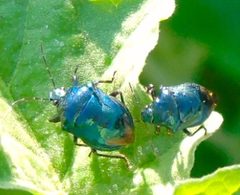
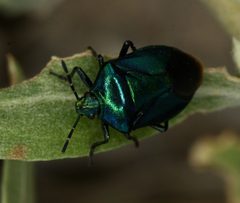
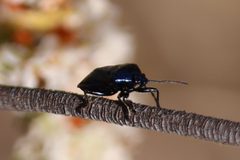
Pronunciation
How to pronounce Zicrona: //zɪˈkrəʊnə//
These audio files are automatically generated. While they are not always 100% accurate, they are a good starting point.
Identification
Members of Zicrona can be distinguished from other Pentatomidae by their placement in the Asopinae, characterized by predatory mouthpart adaptations. Zicrona caerulea is notable for its metallic blue coloration, which provides a distinctive visual cue. Separation from other asopine requires examination of genitalic and thoracic structures; specific diagnostic characters for the genus include features of the male genitalia and abdominal sternites.
Images
Distribution
Records exist from Denmark, Norway, and Sweden (GBIF). Zicrona caerulea has been documented in Quebec, Canada, where it was rediscovered in 2017 after absence since 1933. The has a transcontinental distribution with in North America (Z. americana), the Palearctic (Z. caerulea), and South Asia (Z. hisarensis, Z. murreensis).
Host Associations
- Hostounsky sp. nov. - First recorded in Z. caerulea; pathogenic relationship
Similar Taxa
- Other Asopinae genera (e.g., Picromerus, Arma)Shared characteristics including predatory ; Zicrona distinguished by specific genitalic and coloration features in Z. caerulea
- Other blue-colored PentatomidaeMetallic blue coloration in Z. caerulea may cause confusion with unrelated ; structural characters of Asopinae and -specific provide separation