
Brachyrhynchus
Species Guides
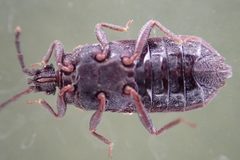
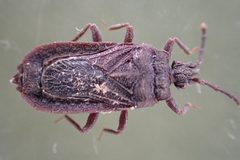
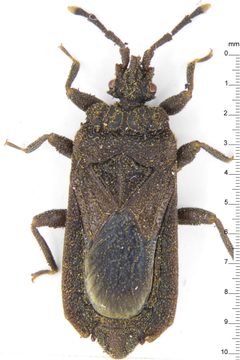
1Brachyrhynchus is a of true bugs in the Aradidae (flat bugs). These insects are characterized by their dorsoventrally flattened bodies and are typically found in association with decaying wood and bark . The genus has been documented in 467 iNaturalist observations. Taxonomic placement has been historically confused, with some sources previously associating the name with weevils (Curculionidae), but current consensus places Brachyrhynchus within Hemiptera: Aradidae.
Pronunciation
How to pronounce Brachyrhynchus: /brəˈkɪrɪŋkəs/
These audio files are automatically generated. While they are not always 100% accurate, they are a good starting point.
Identification
Distinguished from other Aradidae by combination of antennal segmentation, body proportions, and male genitalia structure. Separated from superficially similar bark-dwelling Hemiptera (such as some Lygaeidae or Piesmatidae) by the four-segmented and specific wing venation patterns. Confusion with weevil genera bearing the same name (historical Curculionidae usage) is resolved by mouthpart structure: Brachyrhynchus in Aradidae possesses , not the chewing mouthparts and rostrum of weevils.
Images
Appearance
Habitat
Associated with decaying wood, bark crevices, and subcortical . Found under loose bark of dead or dying trees, in rotting logs, and in wood-decay . Moisture requirements linked to fungal decay processes in wood substrates.
Distribution
distribution with records from multiple continents; specific range varies by within .
Ecological Role
Component of saproxylic (dead wood) . Role in decomposition processes through association with fungal-decayed wood substrates. Prey for various and small vertebrates in forest floor and subcortical .
Human Relevance
No direct economic importance. Occasionally encountered by entomologists and naturalists during bark-sampling or wood-decay studies. Not known as pests of timber or stored products.
Similar Taxa
Misconceptions
The name Brachyrhynchus has been applied to both a weevil (Curculionidae) and the true genus (Aradidae). Current taxonomic usage reserves Brachyrhynchus for the Aradidae genus, while the weevil group has been reclassified under other generic names. The vertebrate Anser brachyrhynchus (pink-footed goose) and Nasilio brachyrhynchus (elephant shrew) share the specific epithet but are unrelated to this insect genus.
More Details
Taxonomic History
The Brachyrhynchus has undergone taxonomic revision. Early catalogues listed it within Curculionidae, but this placement has been corrected. NCBI and iNaturalist now consistently place Brachyrhynchus within Hemiptera: Aradidae.
Observation Data
467 iNaturalist observations suggest the is moderately well-documented by citizen scientists, though specific -level identification within the genus may be challenging.
Sources and further reading
- BugGuide
- iNaturalist taxon
- NCBI Taxonomy
- Catalogue of Life
- Notes on the Ecology, Capture and Behaviour in Captivity of the Elephant Shrew Nasilio Brachyrhynchus Brachyrhynchus (A. Smith)
- Relations between Change in Spring Habitat Selection and Daily Energetics of Pink-Footed Geese Anser brachyrhynchus
- Exposure of spring‐staging pink‐footed geese Anser brachyrhynchus to pesticide‐treated seed