
Quilnus
Stål, 1873
Species Guides
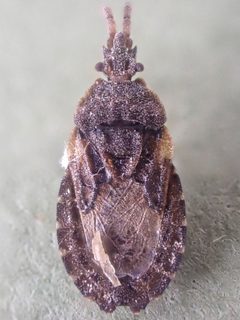
3Quilnus is a of flat bugs in the Aradidae, first described by Stål in 1873. Members of this genus are characterized by their dorsoventrally flattened bodies, an associated with their lifestyle under bark or in other tight spaces. The genus is part of the diverse Aradidae family, which comprises over 200 genera of primarily mycophagous or saprophagous true bugs. As of current records, the genus contains relatively few described , and detailed biological information remains limited.
Pronunciation
How to pronounce Quilnus: /ˈkwɪlnɪs/
These audio files are automatically generated. While they are not always 100% accurate, they are a good starting point.
Identification
Distinguished from other Aradidae by combinations of antennal segment proportions, the degree of concealment by the pronotum, and the structure of the male genitalia. The genus-level identification requires examination of these subtle morphological characters, often necessitating dissection and comparison with . Separation from closely related genera such as Aradus or Neuroctenus depends on detailed examination of the pronotal and abdominal structure.
Images
Habitat
Associated with dead or dying wood, particularly under the bark of fallen trees and in decaying logs. The flattened body form is an to these confined microhabitats. Specific tree associations have not been systematically documented for most .
Distribution
Records indicate presence in the Palearctic region, with documented occurrences in Europe and parts of Asia. The exact range boundaries remain poorly defined due to limited collecting effort and taxonomic study.
Seasonality
have been recorded across multiple months, suggesting year-round presence in suitable , though peak activity periods are not established. The cryptic lifestyle under bark makes seasonal patterns difficult to assess.
Behavior
Exhibits the characteristic thigmotactic of Aradidae, pressing the flattened body tightly against substrate surfaces and remaining motionless when disturbed. This behavior, combined with cryptic coloration, provides effective avoidance.
Ecological Role
Contributes to decomposition processes in forest through association with decaying wood. The precise feeding remains unresolved, though related Aradidae are generally considered fungal feeders or saprophages.
Human Relevance
No documented economic importance. Occasionally encountered by entomologists and naturalists during bark-sampling surveys. Not known to be a pest of living trees or stored products.
Similar Taxa
- AradusLarger and more diverse with generally more pronounced body sculpturing and different antennal proportions; requires examination of genitalia for definitive separation.
- NeuroctenusOverlaps in preference and general body form; distinguished by differences in the structure of the pronotum and the male parameres.
More Details
Taxonomic status
The Quilnus has received limited modern taxonomic attention. The type and number of included species require verification against current systematic standards. The 59 iNaturalist observations suggest growing citizen science documentation, though many may remain at genus level due to identification challenges.
Research needs
Basic including feeding habits, complete inventory, and larval remain unknown. Molecular phylogenetic studies including Quilnus are needed to clarify relationships within Aradidae.