
Ranatra drakei
Hungerford, 1922
Ranatra drakei is a of water scorpion in the Nepidae, described by Hungerford in 1922. Like other members of the Ranatra, it is an aquatic predatory insect with forelegs adapted for capturing prey. The species is known from North America, though specific ecological details remain poorly documented in published literature.

Pronunciation
How to pronounce Ranatra drakei: /rɑˈnɑːtrə ˈdreɪki/
These audio files are automatically generated. While they are not always 100% accurate, they are a good starting point.
Identification
Distinguished from other Ranatra by male genitalia , particularly parameters of the . External features such as relative proportions of body segments and siphon length may aid identification, though definitive determination requires examination of genitalic structures. Separated from other nepids by the combination of elongated body form, long respiratory siphon, and forelegs with distinct spine arrangement.
Images
Appearance
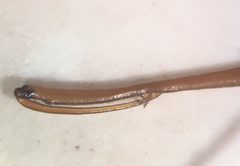
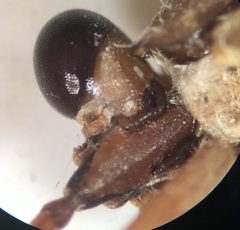
Elongated, stick-like body with extremely long, thin respiratory siphon extending from the tip. Forelegs modified into grasping () appendages with rows of spines for capturing prey. Body coloration generally brown to greenish-brown, providing camouflage among aquatic vegetation. short and concealed beneath . positioned dorsolaterally on head.
Habitat
Aquatic environments including ponds, lakes, and slow-moving streams with emergent vegetation. Requires submerged vegetation for hunting cover and access to water surface for atmospheric respiration via the caudal siphon.
Distribution
Recorded from North America. Specific range boundaries within the continent are not well documented.
Seasonality
have been observed during warmer months; precise is undocumented.
Behavior
Ambush that clings to submerged vegetation with hind and middle legs while holding forelegs forward to seize passing prey. Must periodically surface to breathe, extending the caudal siphon above water to access atmospheric oxygen. Capable of and may disperse between water bodies.
Ecological Role
in freshwater aquatic . Preys on small aquatic and possibly small fish or tadpoles.
Human Relevance
No documented economic or medical significance. Occasionally encountered by aquatic biologists and naturalists.
Similar Taxa
- Ranatra fuscaOverlapping North American distribution and similar elongated body form; distinguished by male genitalia and subtle differences in body proportions.
- Ranatra kirkaldyiSympatric in some regions; requires genitalic examination for reliable separation.
- Nepa cinereaFlattened body form and shorter siphon distinguish this nepid from the cylindrical, elongate Ranatra drakei.
More Details
Taxonomic history
Described by Hungerford in 1922. The specific epithet honors an individual, though the etymology is not explicitly documented in the original description.
Research status
is poorly known ecologically; most records derive from taxonomic rather than ecological studies. iNaturalist records (14 observations as of source date) suggest it is encountered infrequently by citizen scientists.