
Ranatra fusca
Palisot de Beauvois, 1820
brown water scorpion, brown waterscorpion
Ranatra fusca is a predatory aquatic in the Nepidae, commonly called the brown water scorpion. Native to North America, it inhabits freshwater environments where it hunts small using forelegs. reach 3.2–4.2 cm in length and possess a long respiratory siphon for breathing at the water surface. The is most active from spring through autumn.
Pronunciation
How to pronounce Ranatra fusca: /ræˈneɪtrə ˈfʌska/
These audio files are automatically generated. While they are not always 100% accurate, they are a good starting point.
Identification
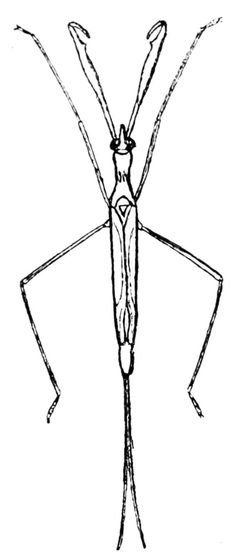
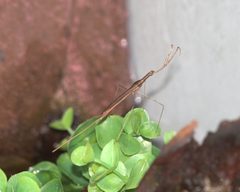
Elongated, stick-like body resembling a twig or stem, with extremely long, thin respiratory siphon extending from the tip. forelegs modified for grasping prey. Body length 3.2–4.2 cm. Coloration brown, providing camouflage among submerged vegetation. Distinguished from other Ranatra by specific morphological details of male genitalia and overall proportions; requires examination of specimens for definitive identification.
Images
Habitat
Freshwater aquatic environments including ponds, lakes, slow-moving streams, and vegetated wetlands. Typically found among submerged vegetation and debris where it can remain concealed while hunting.
Distribution
Native to North America. Documented from the United States (including Vermont) and Canada.
Seasonality
Most common and active from spring through autumn; reduced activity or as during winter months in temperate regions.
Diet
. Feeds on other insects and small crustaceans. Prey is captured with forelegs.
Life Cycle
(hemimetabolous). stages (nymphs) resemble smaller versions of without fully developed wings. Laboratory rearing methods have been established. Specific duration of developmental stages and number of instars not detailed in available sources.
Behavior
Ambush that remains motionless among vegetation to capture prey. Uses long respiratory siphon to reach water surface for air while body remains submerged.
Ecological Role
in freshwater , controlling of small aquatic .
Similar Taxa
- Other Ranatra speciesSimilar elongated body form and aquatic ; require examination of genitalia and specific morphometric measurements for reliable differentiation.
- Water scorpions (Nepa spp.)Flattened body form versus the cylindrical, stick-like body of Ranatra; Nepa have shorter respiratory siphons relative to body size.