
Rheumatobates tenuipes
Meinert, 1895
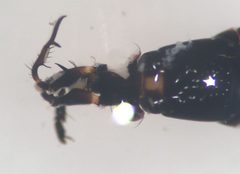
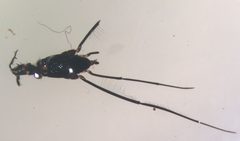
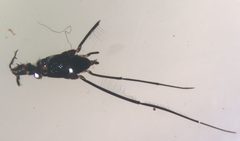
Rheumatobates tenuipes is a water strider in the Gerridae, first described by Meinert in 1895. It belongs to the Rhagodotarsinae, a group characterized by specialized adaptations for life on the water surface. The occurs in North and Middle America. Like other gerrids, it occupies the air-water interface, exploiting surface tension to move and forage.
Pronunciation
How to pronounce Rheumatobates tenuipes: //ˌɹuːmətoʊˈbeɪtiːz ˈtɛn.ju.aɪps//
These audio files are automatically generated. While they are not always 100% accurate, they are a good starting point.
Images
Habitat
Aquatic environments where surface film is present. As a member of Gerridae, it occupies the air-water interface of ponds, streams, and other freshwater bodies.
Distribution
North America and Middle America. Distribution records indicate presence in both regions, though specific locality details beyond continental are not established from available sources.
More Details
Taxonomic note
The Rhagodotarsinae, to which Rheumatobates belongs, represents a distinct lineage within Gerridae with specialized morphological features. The Rheumatobates is one of several genera in this subfamily.
Data limitations
Available sources provide only basic taxonomic and geographic information. Published biological and ecological studies specific to R. tenuipes appear sparse in accessible literature.