
Limnoporus canaliculatus
(Say, 1832)
water strider
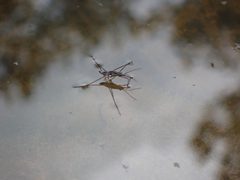
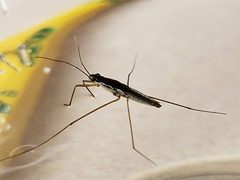
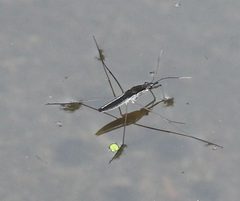
Limnoporus canaliculatus is a of water strider in the Gerridae, distributed across North America. It inhabits freshwater environments where it uses surface tension to skate on water. The species was originally described as Gerris canaliculatus by Thomas Say in 1832 and later transferred to the Limnoporus. Like other gerrids, it is predatory, capturing small arthropods that fall onto the water surface.
Pronunciation
How to pronounce Limnoporus canaliculatus: //ˌlɪmnəˈpɔːrəs ˌkænəˌlɪkjuˈleɪtəs//
These audio files are automatically generated. While they are not always 100% accurate, they are a good starting point.
Identification
Distinguished from other North American water striders by combination of: larger body size relative to common Gerris ; specific structure of male genitalia (parameres and proctiger); and subtle differences in body proportions and leg length ratios. Accurate identification typically requires examination of genitalic structures under magnification. Separated from Aquarius species by generally smaller size and different preferences; from Gerris species by more robust body build and specific wing venation patterns.
Images
Habitat
Freshwater lentic and lotic including ponds, lakes, slow-moving streams, and river margins. Prefers open water surfaces with minimal emergent vegetation where surface tension can be effectively exploited for locomotion. Found in temperate regions across its North American range.
Distribution
North America; recorded across temperate regions of the United States and Canada. Specific range details beyond continental distribution are not well documented in available sources.
Seasonality
Active during warmer months in temperate climates; likely as in , though specific seasonal patterns are not documented in available sources.
Diet
Predatory, feeding on small insects and other arthropods that fall onto the water surface. Prey items include terrestrial insects trapped by surface tension, as well as aquatic emergent insects. Uses forelegs to seize prey.
Life Cycle
Hemimetabolous development with , nymph, and stages. Eggs laid on submerged vegetation or other substrates. Nymphs resemble adults but lack fully developed wings and reproductive structures. Multiple per year likely in southern portions of range; fewer generations in northern areas. Specific details of developmental timing and stage not documented in available sources.
Behavior
Uses surface tension to skate across water surface, propelled by middle legs with hind legs steering. Capable of detecting surface ripples produced by struggling prey or mates. Males compete for territories and access to females; mating typically involves male grasping female and prolonged copulation. Can escape by diving briefly or taking from water surface.
Ecological Role
in freshwater surface , regulating of small terrestrial insects that fall onto water. Serves as prey for larger aquatic predators including fish, frogs, and aquatic birds. Contributes to nutrient transfer between terrestrial and aquatic .
Human Relevance
Generally harmless to humans; occasionally used as for water quality assessments due to sensitivity to surface that disrupts water tension. Subject of scientific study for biomechanics of water surface locomotion. No significant economic importance.
Similar Taxa
- Limnoporus dissortisSimilar size and preferences; distinguished by subtle differences in male genitalia and body proportions, with L. dissortis generally found in more northern and western portions of North America
- Aquarius remigisOverlaps in but larger and more robust; Aquarius typically found in more turbulent water conditions and have proportionally shorter legs
- Gerris speciesSmaller body size, more delicate build, and different wing venation; Gerris generally more common and widespread in similar
More Details
Taxonomic History
Originally described by Thomas Say in 1832 as Gerris canaliculatus. Transferred to Limnoporus when that genus was recognized as distinct from Gerris based on morphological and phylogenetic evidence. The genus Limnoporus now contains approximately 4-5 in North America.
Locomotion Biomechanics
Like other gerrids, L. canaliculatus exploits the high surface tension of water to support its weight. The middle legs generate propulsion through rowing motions that create vortices beneath the surface, while the hydrophobic microsetae on the leg tips prevent wetting and allow rapid acceleration.