
Limnogonus
Stål, 1868
Striped Pond Skaters
Species Guides
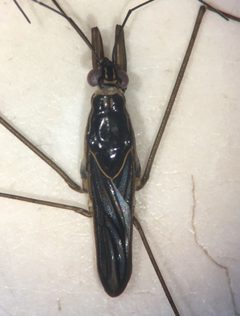
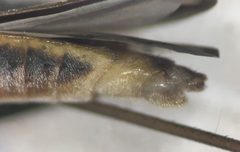
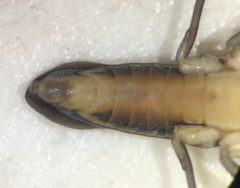
2Limnogonus is a of water striders ( Gerridae) comprising 28 described distributed across tropical regions worldwide. The genus originated and diversified in Africa during the early Eocene (approximately 49 million years ago), subsequently expanding to other regions through events. Most species exhibit wing , with both (long-winged) and brachypterous (short-winged) morphs present; the long-winged form enables to escape drought conditions and colonize new water bodies. Two subgenera are recognized: Limnogonoides and Limnogonus sensu stricto.
Pronunciation
How to pronounce Limnogonus: /lɪmˈnɒɡənəs/
These audio files are automatically generated. While they are not always 100% accurate, they are a good starting point.
Identification
Members of Limnogonus can be distinguished from other gerrid by their association with pond and their pantropical distribution pattern. The genus is divided into two subgenera: Limnogonoides and Limnogonus sensu stricto, which differ in larval . Wing is common, with individuals showing either fully developed wings capable of or reduced wings; this trait is shared with other gerromorphan but is particularly notable in this genus as an to fluctuating water availability.
Images
Habitat
Aquatic and semi-aquatic freshwater environments including rivers, streams (igarapés), lakes, ponds, and temporary rainwater puddles. have been documented in both permanent and ephemeral water bodies, with winged morphs allowing of temporary .
Distribution
Pantropical distribution spanning the Afrotropical, Oriental, Neotropical, and Australian regions. The originated in Africa and subsequently dispersed to other tropical regions. Documented occurrences include: Socotra Archipelago (Yemen), Colombia (Laguna de Sonso, Valle del Cauca), and throughout tropical Africa, Asia, and the Americas. Two major disjunction events occurred: between Neotropics and Oriental region (middle Oligocene, ~30 Ma) and between Neotropics and Africa (middle Miocene, ~14 Ma).
Life Cycle
Development from to takes approximately 43 days in at least one (Limnogonus recurvus), based on laboratory rearing. Five larval instars are present; the 3rd, 4th, and 5th instars have been described for some species.
Behavior
and nymphs are capable of skating on water surfaces. Wing allows behavioral flexibility: individuals can fly to escape drying and locate new water bodies, particularly during seasonal transitions.
Similar Taxa
- Other Gerridae generaLimnogonus is distinguished from other water strider by its pantropical distribution centered on pond and its specific wing patterns associated with drought escape. The two-subgenus structure (Limnogonoides and Limnogonus sensu stricto) is a unique feature among related .
More Details
Biogeographic history
Phylogenetic studies reject Gondwanan vicariance as the primary explanation for the modern distribution. Instead, the diversified in Africa and expanded via the Bering Land Bridge and boreotropical forest corridors, with possible long-distance between Neotropics and Africa.
Wing polymorphism function
wings are interpreted as an to escape drought conditions by flying to new water bodies when rainy seasons arrive, rather than for routine .
Sources and further reading
- BugGuide
- Wikipedia
- GBIF taxonomy match
- iNaturalist taxon
- NCBI Taxonomy
- Catalogue of Life
- Alguns aspectos sobre morfologia e ciclo de vida de Limnogonus recurvus (Hemiptera: Gerridae)
- Out of Africa: Biogeography and diversification of the pantropical pond skater genus Limnogonus Stål, 1868 (Hemiptera: Gerridae)
- Limnogonus poissoni (Hemiptera: Heteroptera: Gerridae): first record from the Socotra Archipelago with descriptions of 3rd, 4th and 5th larval instars
- Heteropicnotic chromatin and nucleolar activity in meiosis and spermiogenesis of Limnogonus aduncus (Heteroptera, Gerridae): a stained nucleolar organizing region that can serve as a model for studying chromosome behavior