Systelloderes
Blanchard in Gay, 1852
gnat bugs
Species Guides
1- Systelloderes biceps(gnat bug)
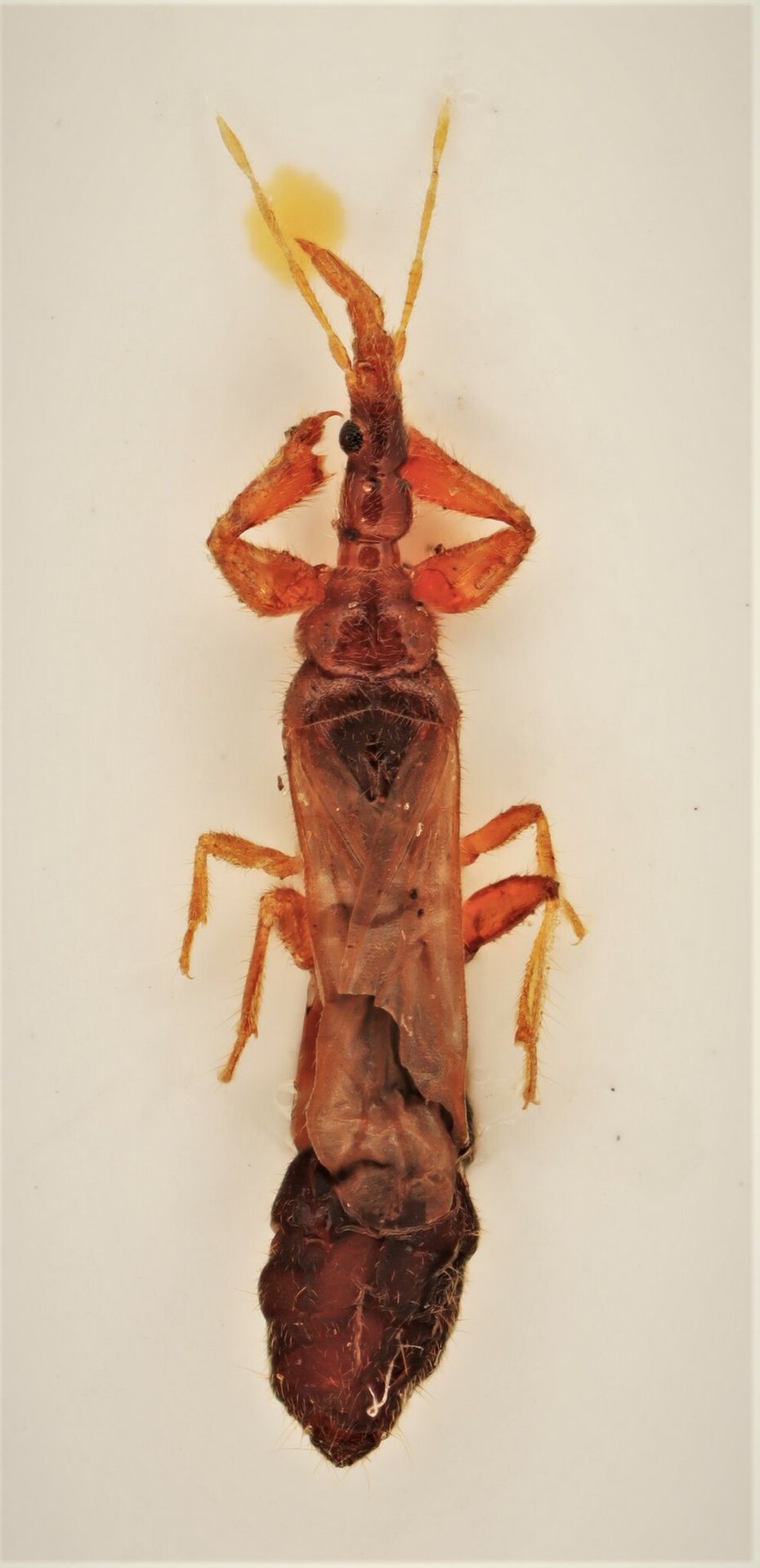
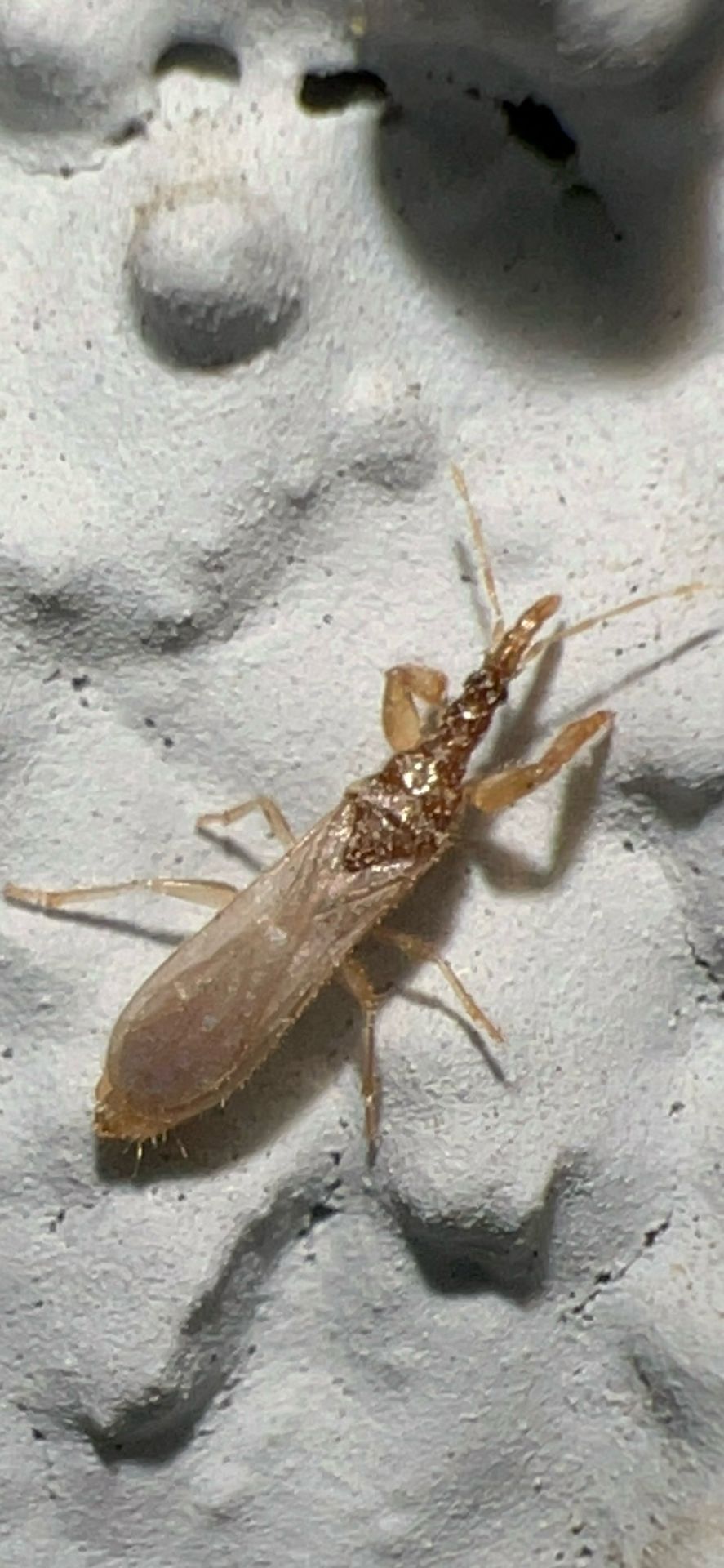
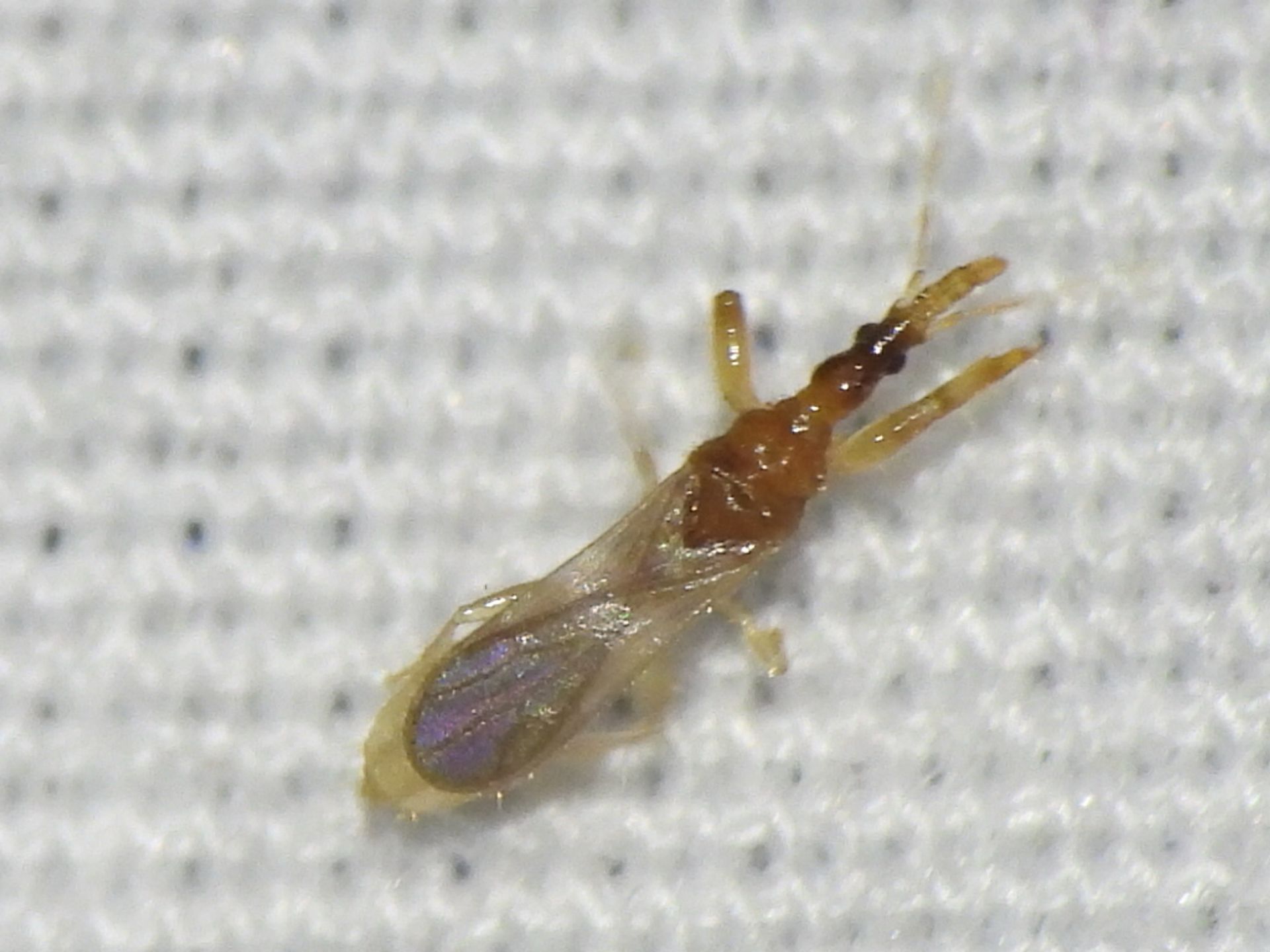
Systelloderes is a of gnat bugs ( Enicocephalidae) containing approximately 12 described . The genus exhibits a nearly distribution with highest diversity in humid tropical and subtropical forests. Species occur across multiple continents including Africa, Madagascar, New Zealand, New Caledonia, and the Americas from North America through Central and South America. The genus was established by Blanchard in 1852 and belongs to the tribe Systelloderini within the Enicocephalinae.
Pronunciation
How to pronounce Systelloderes: /sɪˌstɛloʊˈdɪriːz/
These audio files are automatically generated. While they are not always 100% accurate, they are a good starting point.
Images
Habitat
Humid tropical and subtropical forests; humid microhabitats in temperate and arid zones. Specific microhabitats include peat bogs as documented for S. fueguinus in Tierra del Fuego.
Distribution
Nearly . Eastern Hemisphere: continental Africa (22 ), Madagascar, New Zealand, New Caledonia. Western Hemisphere: North and Central America (13 species), South America including Venezuela, Bolivia, Brazil, Chile, Peru, Colombia, Ecuador, and Argentina (Tierra del Fuego).
Similar Taxa
- HenschiellaTwo originally described as Systelloderes (S. capillicornis from Luzon and S. aetherius from Queensland) have been reassigned to Henschiella, indicating historical taxonomic confusion between these .
More Details
Taxonomic uncertainty
Many Systelloderes remain undescribed, particularly from the Afrotropical, Neotropical, and Oriental regions. Species counts vary between sources (12 vs. 13+ described species) due to ongoing revisions and new species descriptions.
Sources and further reading
- BugGuide
- Wikipedia
- GBIF taxonomy match
- iNaturalist taxon
- NCBI Taxonomy
- Catalogue of Life
- First record of Systelloderes (Hemiptera: Heteroptera: Enicocephalidae) from Ecuador with a list of Ecuadorian Enicocephalomorpha
- Description of a new species of Systelloderes (Hemiptera: Heteroptera: Enicocephalidae) from Tierra del Fuego, Argentina