Enicocephalidae
Stål, 1860
unique-headed bugs, gnat bugs
Genus Guides
2- Hymenocoris
- Systelloderes(gnat bugs)
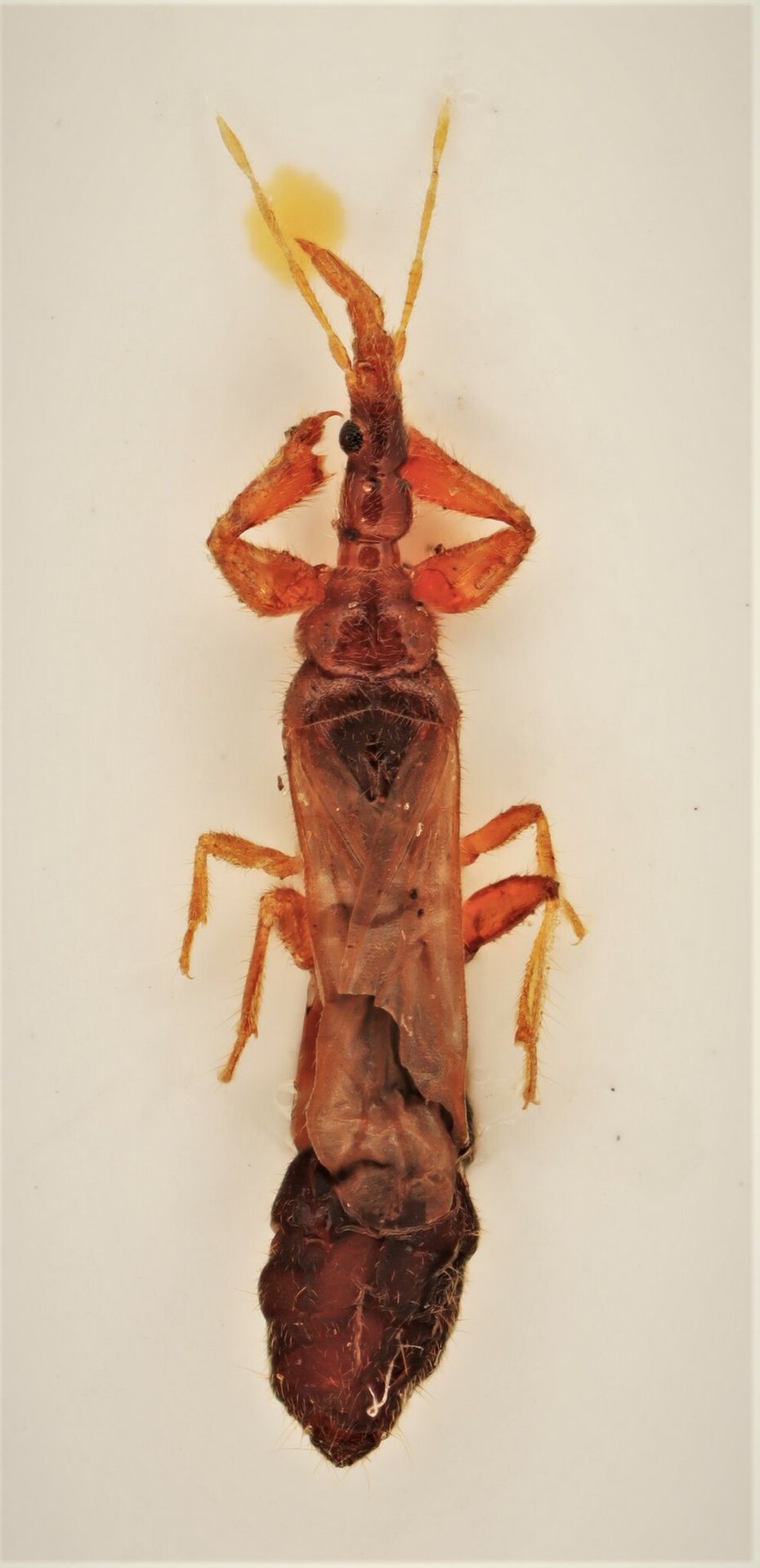
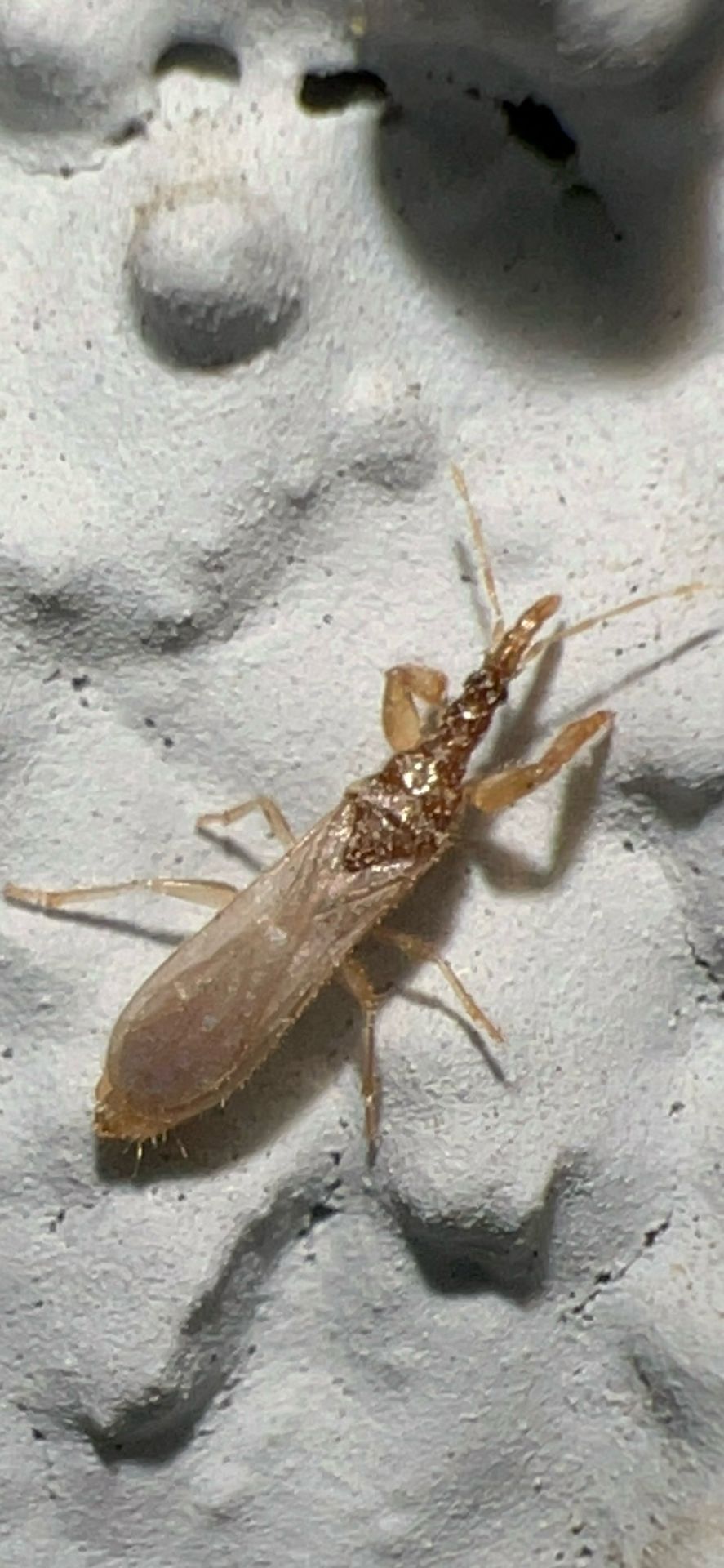
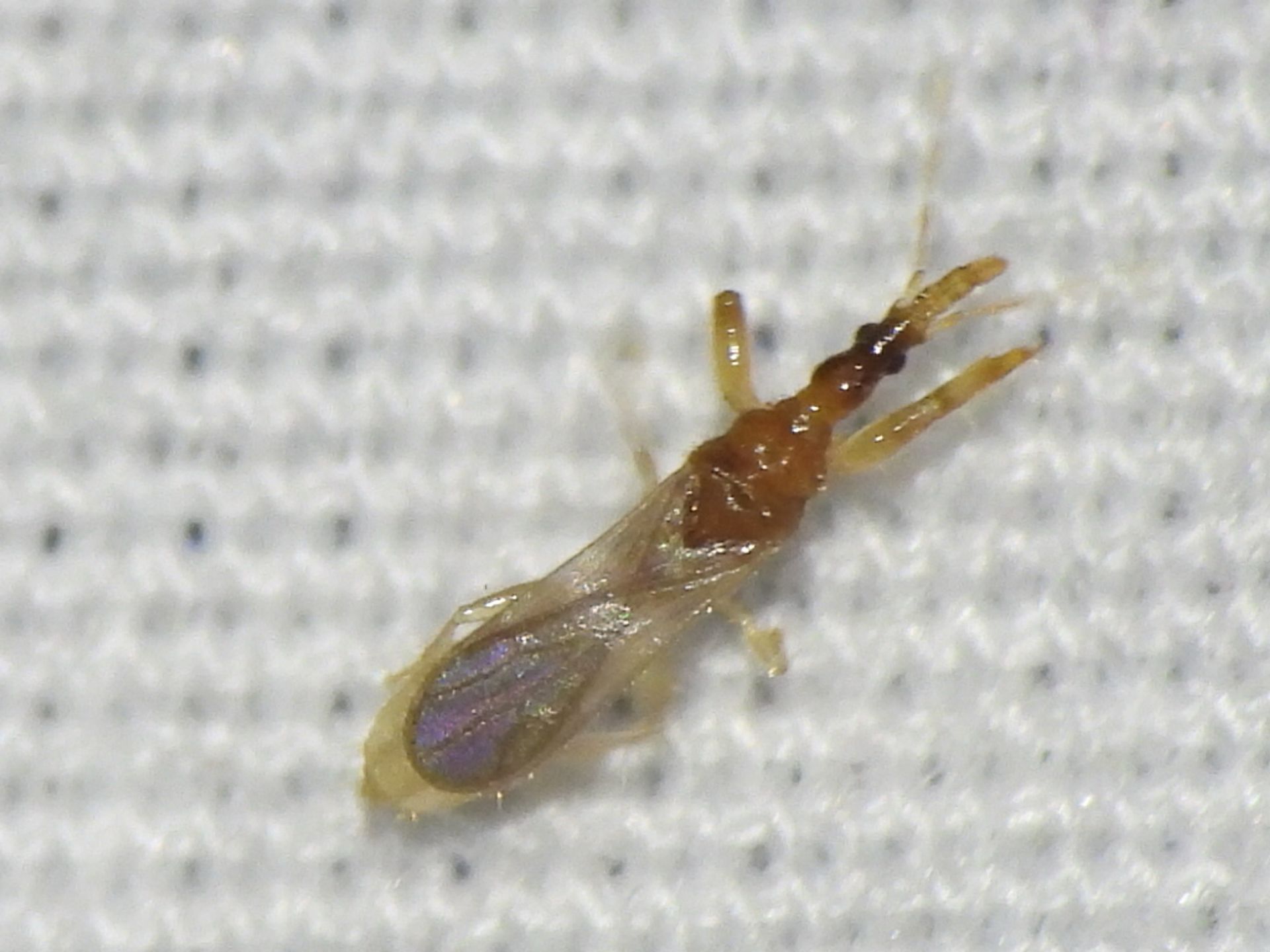
, commonly known as unique-headed bugs or gnat bugs, is a of approximately 300 within the ancient and relictual infraorder Enicocephalomorpha. Members are small true bugs, typically around 4 mm in length, characterized by their elongated, constricted that give the family its . The family exhibits global distribution with greatest in humid tropical and subtropical forests. Enicocephalidae are considered living fossils due to their evolutionarily conserved . The family is classified into about 47 placed in five , with notable including winged males and wingless or short-winged females in many species.
Pronunciation
How to pronounce Enicocephalidae: /ɛnɪkoʊˈsɛfələˌdaɪ/
These audio files are automatically generated. While they are not always 100% accurate, they are a good starting point.
Identification
The can be distinguished from the related Aenictopecheidae by the pronotal division into three lobes (except in the Alienates). The elongated, constricted is diagnostic for the family. Within the family, genera are distinguished by wing venation patterns, abdominal structure, and foreleg . Xenicocephalus is particularly distinctive due to its unique foreleg architecture with thick, curved and tibiae bearing deep concavities and specialized apicitibial armature. Monteithostolus is to New Caledonia. Systelloderes is nearly with the greatest diversity in humid tropical forests. Oncylocotis is widely distributed in the Old World including Borneo.
Images
Habitat
Primarily found in humid tropical and subtropical forests. Many inhabit soil and leaf-litter microhabitats. Some species occupy humid microhabitats in temperate and arid zones. Specific include high elevation Neotropical environments (Xenicocephalus tomhenryi collected at 2600m in Ecuador), peat bogs (Systelloderes fueguinus in Tierra del Fuego), and areas associated with ants (Oncylocotis inexpectatus found with Anoplolepis gracilipes in Sabah, Malaysia).
Distribution
Global distribution with on every continent except Antarctica. Greatest in humid tropical and subtropical forests. Documented from: North and Central America (13 Systelloderes species), South America (Venezuela, Bolivia, Brazil, Chile, Peru, Argentina, Ecuador, Colombia, Suriname), Africa (22 Systelloderes species in continental Africa plus Madagascar), New Zealand, New Caledonia ( Monteithostolus caledonicus and Systelloderes loebli), Asia (Malaysia, Borneo, Philippines, Queensland), and Tierra del Fuego.
Life Cycle
Development includes at least five instars. Fifth instar larva described for Xenicocephalus giganticus. Detailed information is sparse for most .
Behavior
Some exhibit myrmecophily (association with ants), including Oncylocotis inexpectatus found with the yellow crazy Anoplolepis gracilipes. Predatory inferred from foreleg in some , particularly Xenicocephalus with its highly specialized prey-capture apparatus. Wing results in different capabilities between sexes.
Ecological Role
Predatory role inferred from morphological adaptations in some . Some function as in colonies. Role in soil and leaf-litter largely undocumented due to limited study.
Human Relevance
Oncylocotis inexpectatus has been documented in association with the yellow crazy Anoplolepis gracilipes, ranked among the 100 most devastating invaders worldwide, suggesting potential use as a biocontrol agent or for invasive ant monitoring. Otherwise, no significant direct human interactions documented.
Similar Taxa
- AenictopecheidaeMost closely related within Enicocephalomorpha; distinguished from by pronotal structure (Aenictopecheidae lack the three-lobed pronotum characteristic of most Enicocephalidae)
More Details
Evolutionary significance
are considered living fossils of the order Heteroptera due to their evolutionarily conserved , representing an ancient and relictual lineage.
Taxonomic challenges
and are problematic due to high similarity in exoskeletal characters across and relatively limited material available for study. Many remain undescribed, particularly from Afrotropical, Neotropical, and Oriental regions.
Wing polymorphism
The exhibits pronounced in wing development, with winged males and wingless or short-winged females being common. This has significant implications for and .
Fossil record
Fossil documented from Burmese amber (Cenomanian), Dominican amber (Miocene), and London Clay (Ypresian), indicating ancient lineage dating to at least the Cretaceous.
Sources and further reading
- BugGuide
- Wikipedia
- GBIF taxonomy match
- iNaturalist taxon
- NCBI Taxonomy
- Catalogue of Life
- Reduviidae | Beetles In The Bush | Page 2
- Bibliography | Beetles In The Bush
- A new Xenicocephalus species from Ecuador (Heteroptera, Enicocephalomorpha, Enicocephalidae)
- Notes on the Unique-Headed Bugs of New Caledonia (Hemiptera: Enicocephalidae)
- Description of a new species of Systelloderes (Hemiptera: Heteroptera: Enicocephalidae) from Tierra del Fuego, Argentina
- Notes on Afrotropical Enicocephalidae and Reduviidae (Hemiptera: Heteroptera) with emphasis on vehicle-mounted net samples from Liberia, West Africa
- First record of Systelloderes (Hemiptera: Heteroptera: Enicocephalidae) from Ecuador with a list of Ecuadorian Enicocephalomorpha
- Two new species of the genus Proboscidopirates (Hemiptera: Heteroptera: Enicocephalidae) from Madagascar with a list of the species
- A new Oncylocotis Stål (Hemiptera: Heteroptera: Enicocephalidae) from Sabah: a predacious species associated with the yellow crazy ant, Anoplolepis gracilipes (Smith) (Hymenoptera: Formicidae)
- Observations on the biology ofOncylocotis tasmanicus(Westwood) with descriptions of the immature stages (Hemiptera, Enicocephalidae)