
Schizoptera
Fieber, 1860
minute litter bugs
Species Guides
1Schizoptera is the largest of minute litter bugs (Hemiptera: Heteroptera: Dipsocoromorpha), comprising approximately 90 described extant plus two fossil species. The genus is divided into four subgenera: Schizoptera (Cantharocoris), Schizoptera (Odontorhagus), Schizoptera (Schizoptera), and Schizoptera (Zygophleps). Species are abundant in New World bulk and residue , with extensive undescribed diversity indicated by recent collecting efforts. Male genitalia are intricate and asymmetrical, providing excellent diagnostic features for species identification.
Pronunciation
How to pronounce Schizoptera: //skɪzˈɒptərə//
These audio files are automatically generated. While they are not always 100% accurate, they are a good starting point.
Identification
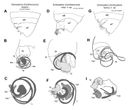
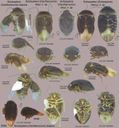
Subgenera are distinguished by diagnostic morphological characters: Schizoptera (Zygophleps) by the unique triangular shape of the membranal ; Schizoptera (Odontorhagus) by a blunt tooth on the posterior margin of the . -level identification relies heavily on male genitalic structures, particularly the subgenital plate and asymmetrical genitalia. Digital habitus images and line drawings of diagnostic features are standard documentation tools for this .
Images
Habitat
Leaf litter; specimens are abundant in New World bulk and residue .
Distribution
New World; documented from Central America, northern South America, Brazil, Rica, Ecuador, Guatemala, Peru, and Trinidad. The has been predicted to harbor substantially more than currently described based on unsorted bulk material.
Similar Taxa
- Other Dipsocoromorpha generaSchizoptera is distinguished from other litter bug by its monophyletic status supported by molecular and the unique combination of subgeneric diagnostic characters; the genus contains far more described than any other in the superfamily Dipsocoroidea.
Misconceptions
The name Schizoptera has been applied to both this insect (Hemiptera: Schizopteridae, Fieber 1860) and a plant genus in Asteraceae (Bentham 1873). These are homonyms representing entirely unrelated organisms.
More Details
Taxonomic history
The concept has been refined through recent molecular phylogenetic work. The subgenus Schizoptera (Zygophleps) was revised in 2021 with 36 new described; Schizoptera (Odontorhagus) was revised in 2016 with 20 new species described. These revisions approximately doubled the species count in each subgenus, suggesting similar increases may occur in the remaining subgenera.
Collection methods
Specimens are recovered primarily through bulk sampling and residue processing of leaf litter , indicating these insects are cryptic and require specialized collection techniques rather than direct observation.
Sources and further reading
- BugGuide
- Wikipedia
- iNaturalist taxon
- NCBI Taxonomy
- Catalogue of Life
- Scratching the surface? Taxonomic revision of the subgenus Schizoptera <br />(Odontorhagus) reveals vast undocumented biodiversity in the largest litter bug genus Schizoptera Fieber (Hemiptera: Dipsocoromorpha)
- Taxonomic revision of the minute litter bug subgenus Schizoptera (Zygophleps) McAtee & Malloch, 1925 (Heteroptera: Dipsocoromorpha: Schizopteridae)