Pagasa fusca
(Stein, 1857)
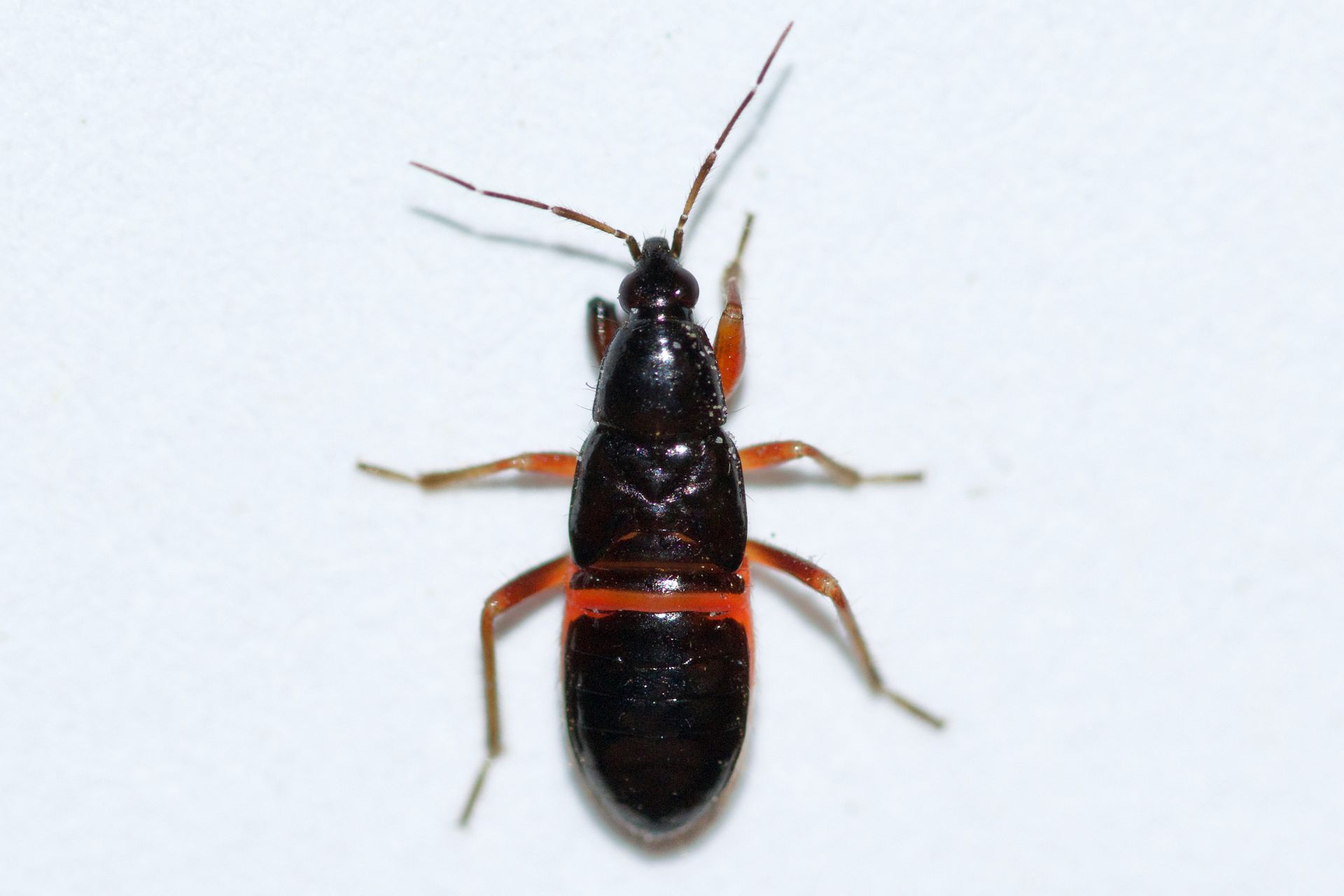
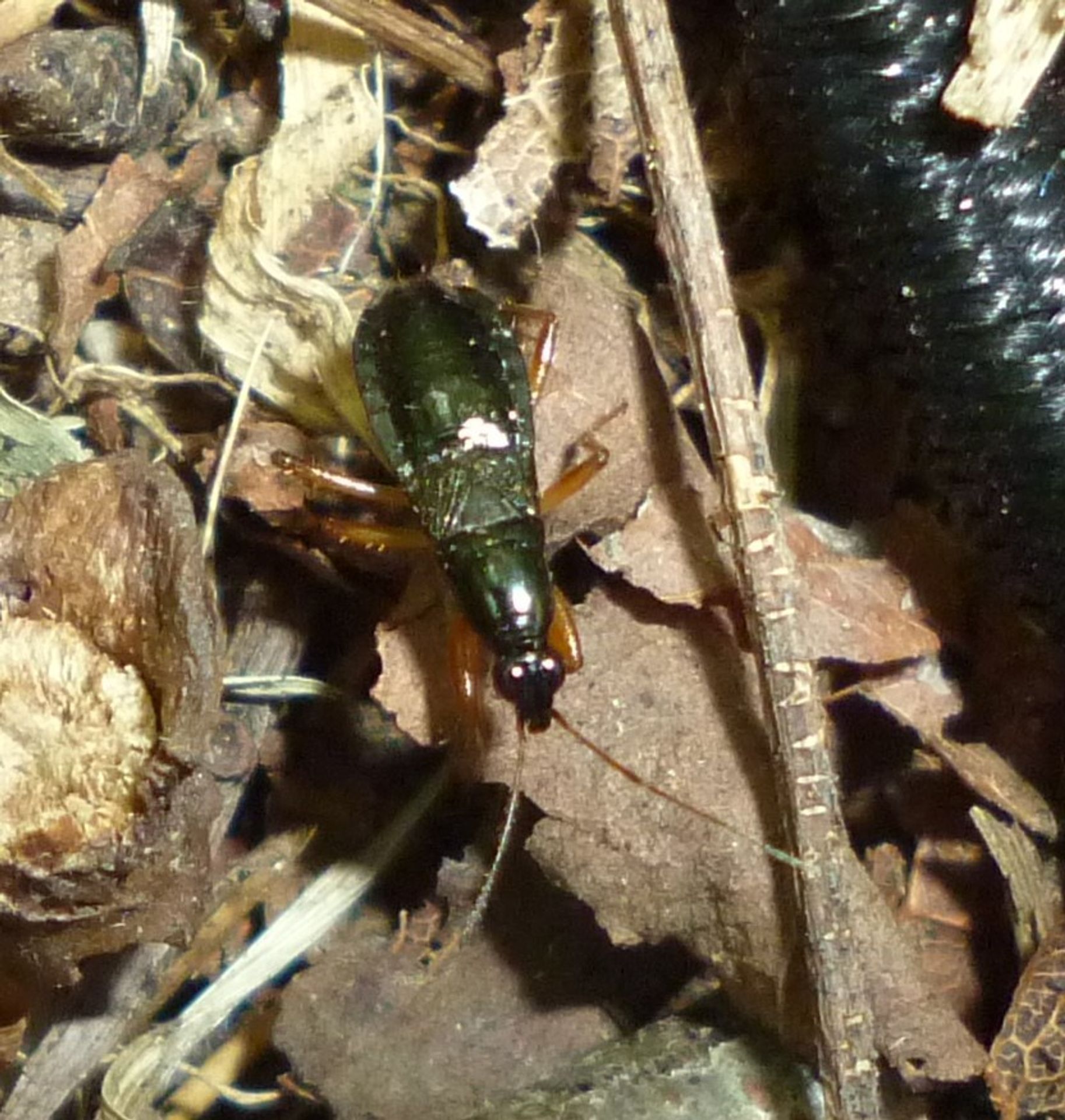
Pagasa fusca is a of damsel bug in the Nabidae, distributed across the Americas from North America through Central America to South America. It is a small, dark, ground-dwelling . Two are recognized: P. f. fusca (Stein, 1857) and P. f. nigripes Harris, 1926.
Pronunciation
How to pronounce Pagasa fusca: /pəˈɡeɪsə ˈfʌskə/
These audio files are automatically generated. While they are not always 100% accurate, they are a good starting point.
Identification
Pagasa fusca belongs to the subgenus Lasiomerus, distinguished from subgenus Pagasa by antennal and genitalic characteristics (specific details require examination of parameres). The Pagasa can be distinguished from other damsel bugs (Nabidae) by its ground-dwelling habit and -like appearance. From plant bugs (Miridae), Pagasa lacks the ''—a pronounced wrinkle or notch in the margin of the front wing near where the leathery portion meets the . From assassin bugs (Reduviidae), Pagasa is smaller and shares the short rostrum typical of Nabidae.
Images
Appearance
Small, dark, ground-dwelling damsel bug with a somewhat -like appearance. Members of the Pagasa can be fully winged or have wings reduced to non-functional pads. The segment of the front leg is muscular and swollen, armed with at least one row of small teeth on the underside. The tip of the tibia on the front leg features a specialized pad of hairs called the fossa spongiosa.
Habitat
Ground-dwelling; terrestrial . Specific microhabitat preferences for P. fusca are not documented, though occur in similar ground-level environments.
Distribution
North America, Central America, and South America. Documented in Mexico with new records published in 2018.
Behavior
. Like other damsel bugs, uses front legs with toothed and fossa spongiosa on tibiae to secure and manipulate prey. Solitary, not forming swarms.
Ecological Role
of other small insects; likely contributes to in agricultural systems as do other damsel bugs, though specific documentation for P. fusca is lacking.
Similar Taxa
- Other Pagasa speciesRequires examination of genitalia (parameres) and antennal structure; P. fusca belongs to subgenus Lasiomerus
- Nabis speciesLarger, more typical damsel bug appearance, not ground-dwelling and -like
- Plant bugs (Miridae)Similar size and general form, but Miridae have a on the forewing that Pagasa lacks
- Small ground beetles (Carabidae)Convergent -like appearance and ground-dwelling habit; requires close examination to distinguish true features