
Prostemmatinae
damsel bugs
Genus Guides
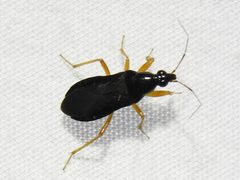
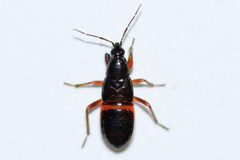
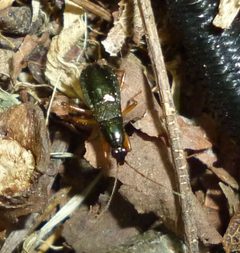
2Prostemmatinae is a of predatory damsel bugs in the Nabidae. It contains at least 13 described in the Americas, organized into two tribes: Phorticini ( Phorticus, Rhamphocoris) and Prostemmatini (genera Alloeorhynchus, Pagasa, Prostemma). Members are found in the Nearctic and Neotropical regions, with documented diversity in Mexico and the southern United States.
Pronunciation
How to pronounce Prostemmatinae: /pɹoʊstɛmˈmæ.tɪˌniː/
These audio files are automatically generated. While they are not always 100% accurate, they are a good starting point.
Identification
Prostemmatinae can be distinguished from the other nabid , Nabinae, by genitalic and structural characters. The subfamily is divided into two tribes: Phorticini (with Phorticus and Rhamphocoris) and Prostemmatini (with genera Alloeorhynchus, Pagasa, and Prostemma). identification relies on examination of male parameres and habitus; keys are available for regional faunas including Mexican species of Alloeorhynchus and Pagasa.
Images
Distribution
Americas: at least 13 described . Documented from Mexico (Chiapas, Veracruz, Oaxaca, Guerrero, Michoacán, Colima, Jalisco, Sonora), with additional records in the Nearctic region. The Alloeorhynchus has been recorded in association with figs in some regions.
Host Associations
- Rhyparochromidae - preyA. trimacula observed preying on Rhyparochromidae (Lygaeoidea) associated with figs, per Cervantes Peredo 2004
Ecological Role
Similar Taxa
More Details
Taxonomic structure
Two tribes recognized: Phorticini (Phorticus, Rhamphocoris) and Prostemmatini (Alloeorhynchus, Pagasa, Prostemma). Recent taxonomic revisions have described new from Mexico, particularly in Alloeorhynchus (six new species described in 2017) and documented new distributional records for Pagasa.
Sources and further reading
- BugGuide
- Wikipedia
- iNaturalist taxon
- NCBI Taxonomy
- The genus Pagasa (Hemiptera: Heteroptera: Nabidae: Prostemmatinae) in Mexico, new records and key to the known species
- A review of the Mexican species of Alloeorhynchus Fieber (Hemiptera: Heteroptera: Nabidae: Prostemmatinae) with description of six new species, new distributional records, and key to the species