
Loricula elegantula
(Bärensprung, 1858)
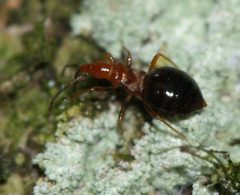
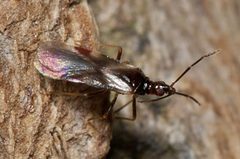
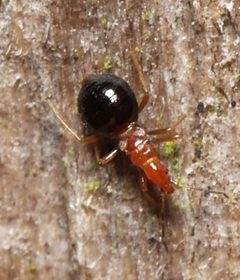
Loricula elegantula is a minute true in the Microphysidae, a group commonly known as minute pirate bugs or microphysid bugs. The was originally described as Anthocoris elegantula by Bärensprung in 1858 before being transferred to the Loricula. It is known from the Azores archipelago in the North Atlantic, with records from five islands: Faial, Flores, Graciosa, Pico, and São Miguel. As a member of the Microphysidae, it likely shares the family's predatory habits, though specific ecological details for this species remain poorly documented.
Pronunciation
How to pronounce Loricula elegantula: //loˈriː.kʊ.lɑː ɛ.ləˈɡæn.tʃʊ.lə//
These audio files are automatically generated. While they are not always 100% accurate, they are a good starting point.
Identification
Loricula elegantula can be distinguished from other Loricula by its small size and the specific combination of morphological features characteristic of the , including a compact body form and distinctive wing venation. Members of Microphysidae are generally recognized by their minute size (typically 1-2 mm), oval to elongate-oval body shape, and the presence of a well-developed ostiolar evaporatorium. Within the Azorean fauna, it may be confused with other Loricula species present in the archipelago, but definitive identification requires examination of male genitalia and other fine structural details.
Images
Habitat
The has been recorded from multiple islands in the Azores archipelago (Faial, Flores, Graciosa, Pico, São Miguel), suggesting an association with the native laurel forest and associated vegetation types characteristic of these mid-Atlantic islands. Microphysidae as a are typically found in leaf litter, moss, and on vegetation where they prey on small arthropods.
Distribution
Azores archipelago: Faial, Flores, Graciosa, Pico, and São Miguel islands.
Ecological Role
As a member of the predatory Microphysidae, L. elegantula likely functions as a micro- in the leaf litter and vegetation of the Azorean islands, contributing to the regulation of of tiny arthropods such as mites, springtails, and other minute insects.