
Kelisia
Fieber, 1866
Species Guides
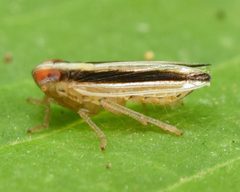
12Kelisia is a of delphacid planthoppers established by Fieber in 1866. The genus contains more than 50 described and is classified within the Kelisiinae of the Delphacidae. Species in this genus are small, sap-feeding insects associated with grasses and sedges.
Pronunciation
How to pronounce Kelisia: //kɛˈliː.si.ə//
These audio files are automatically generated. While they are not always 100% accurate, they are a good starting point.
Identification
Kelisia are small delphacid planthoppers, generally under 5 mm in length. They possess the characteristic delphacid spur on the hind tibia. Identification to species level requires examination of male genitalia and detailed wing venation patterns. The is distinguished from related delphacid genera by features of the and male parameres.
Images
Habitat
in this are primarily associated with grassland and wetland , occurring on plants in the Poaceae and Cyperaceae.
Distribution
Recorded from Europe (Denmark, Norway, Sweden), North America (Vermont, United States), and likely more widespread in temperate regions.
Diet
Phloem sap feeder; have been observed on grasses and sedges.
Host Associations
- Poaceae -
- Cyperaceae -
Life Cycle
with , nymph, and stages. Specific details vary by and are not well documented for the as a whole.
Ecological Role
Herbivore; contributes to nutrient cycling in grassland . Some may serve as prey for .
Human Relevance
Generally of minor economic importance; some may occasionally occur on cultivated grasses but are not considered major agricultural pests.
Similar Taxa
- DelphacodesBoth are delphacid with similar body form; distinguished by differences in male genitalia structure and wing venation.
- JavesellaSimilar small delphacid planthoppers; Kelisia typically have a more produced and different shape.
More Details
Taxonomic history
The was established by Fieber in 1866 and has undergone several revisions. The Kelisiinae was established to accommodate this and related genera based on distinctive morphological features.