
Parantonae
Fowler, 1895
Species Guides
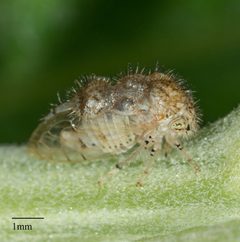
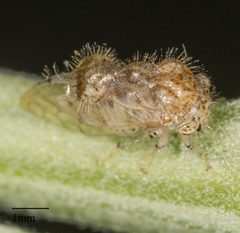
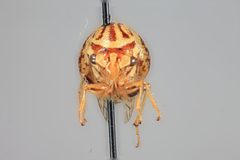
2Parantonae is a of treehoppers in the Membracidae, tribe Ceresini. Members of this genus are characterized by distinctive pronotal modifications typical of the Smiliinae . The genus was established by Fowler in 1895 and is currently accepted as valid. within Parantonae are found in the Neotropical region.
Pronunciation
How to pronounce Parantonae: /ˌpærænˈtoʊni/
These audio files are automatically generated. While they are not always 100% accurate, they are a good starting point.
Identification
Parantonae can be distinguished from other Ceresini by pronotal , particularly the structure of the pronotal process. The genus is closely related to Antianthe and other members of the Ceresini, but differs in specific pronotal contour and the degree of projection. Detailed examination of the pronotum and comparison with is required for definitive identification.
Images
Distribution
Neotropical region, with records from Central and South America.
Similar Taxa
More Details
Taxonomic History
The Parantonae was established by Fowler in 1895. It has been maintained in the tribe Ceresini, Smiliinae, though some historical treatments have varied in placement. The genus remains relatively understudied compared to other membracid genera.
Research Status
Limited published information exists on the and of Parantonae . Most records derive from taxonomic revisions and museum specimens rather than field studies.