
Bonneyana
Oman, 1949
Species Guides
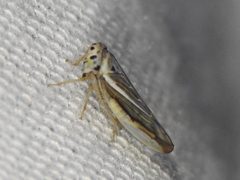
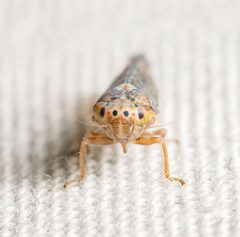
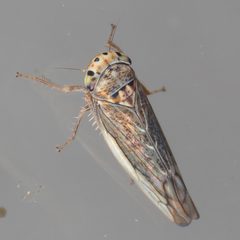
3Bonneyana is a of leafhoppers in the Cicadellidae, Deltocephalinae, and tribe Platymetopiini. The genus was established by Oman in 1949. Members of this genus are small to medium-sized Hemiptera with characteristic leafhopper . The genus is part of the diverse leafhopper fauna of North America, with distributed primarily in the western and southwestern United States.
Pronunciation
How to pronounce Bonneyana: //ˌboʊniˈænə//
These audio files are automatically generated. While they are not always 100% accurate, they are a good starting point.
Identification
Members of Bonneyana can be distinguished from other Platymetopiini by genitalic characters, particularly the structure of the male and the shape of the female seventh sternite. The genus is characterized by a relatively broad, flattened with the vertex often produced anteriorly. The forewings are typically with distinct venation patterns. -level identification requires examination of internal genitalia.
Images
Habitat
in this have been collected from a variety of including desert scrub, grasslands, and riparian areas in arid and semi-arid regions. They are associated with herbaceous vegetation and low shrubs.
Distribution
Western and southwestern United States, including California, Arizona, New Mexico, Nevada, Utah, and Texas. The appears to be to North America, with its center of diversity in the Sonoran and Mojave Desert regions.
Similar Taxa
- PlatymetopiusBoth belong to the tribe Platymetopiini and share the broad, flattened shape; Bonneyana is distinguished by the more produced vertex and different male genitalia structure.
- ExcultanusAnother Platymetopiini with similar overall body form; Bonneyana differs in shape and genitalic characters, particularly the aedeagal shaft configuration.