
Excultanus
Oman, 1949
Species Guides
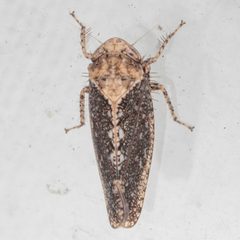
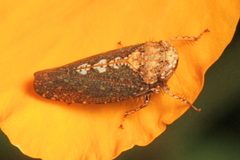
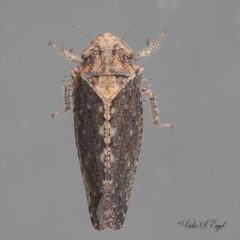
4Excultanus is a of leafhoppers in the Cicadellidae, established by Oman in 1949. The genus contains approximately eight described distributed in the Nearctic region. Species in this genus are classified within the Deltocephalinae, tribe Scaphoideini, and subtribe Phlepsiina. The type species, Excultanus excultus, was originally described by Uhler in 1877.
Pronunciation
How to pronounce Excultanus: /ɛksˈkʊltanʊs/
These audio files are automatically generated. While they are not always 100% accurate, they are a good starting point.
Identification
Identification to level within Excultanus requires examination of male genitalia and detailed morphological features of the and pronotum. The can be distinguished from related genera in the subtribe Phlepsiina by characteristics of the and pygofer structure. Species such as E. excultus, E. conus, and E. paraconus show subtle differences in head shape and wing venation patterns.
Images
Distribution
The Excultanus is distributed in the Nearctic region, with records from the United States. Specific distributions vary: E. excultus has been recorded across much of the eastern and central United States; E. dorothyae, E. parrai, and E. plummeri are known from the southeastern United States; E. conus, E. horridus, and E. paraconus have more restricted ranges in the southern and central United States; E. hebraeus has been recorded from the southwestern United States.
Ecological Role
As members of the leafhopper Cicadellidae, in this likely function as herbivores feeding on vascular plant sap. They may serve as prey for insectivorous birds, spiders, and other arthropods, and potentially as for plant , though no specific pathogen transmission has been documented for this genus.
Similar Taxa
- ScaphoideusAlso in tribe Scaphoideini; differs in structure and ; Scaphoideus often have more pronounced color patterns on the wings
- PhlepsiusIn the same subtribe Phlepsiina; distinguished by differences in the male genitalia, particularly the shape of the pygofer and connective
- DeltocephalusIn Deltocephalinae but different tribe; Deltocephalus generally have broader and different wing proportions
More Details
Taxonomic history
The was established by Oman in 1949 to accommodate previously placed in other genera, including Uhler's 1877 species Athysanus excultus which became the type species. Several species were described by DeLong in 1939 and 1944, with more recent additions by McKamey in 2003.
Nomenclatural note
The authorship is sometimes cited as "Oman, 1949" in reference to the original description, though some sources may list alternative dates depending on publication history.