Scaphoideus
Uhler, 1889
Species Guides
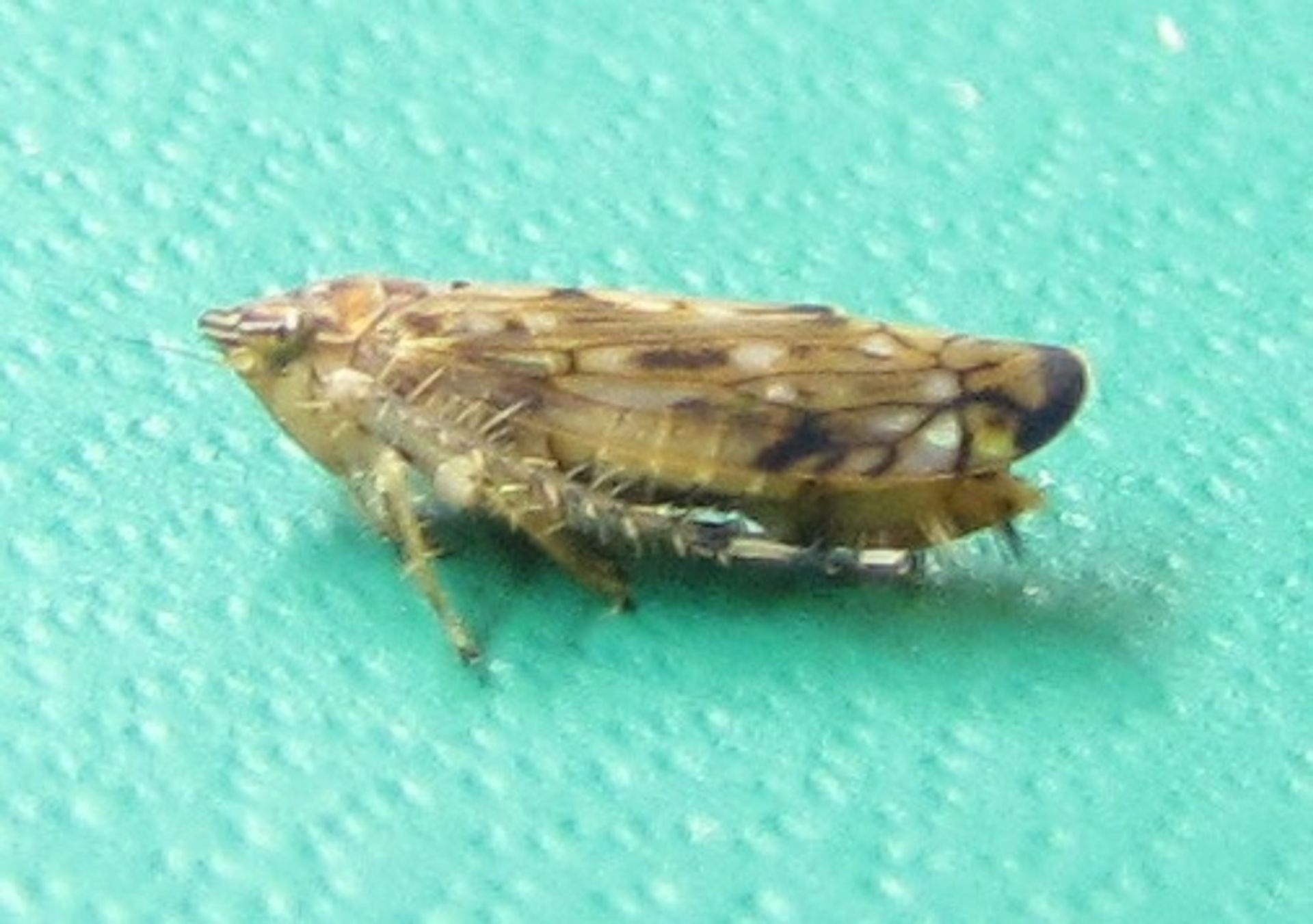
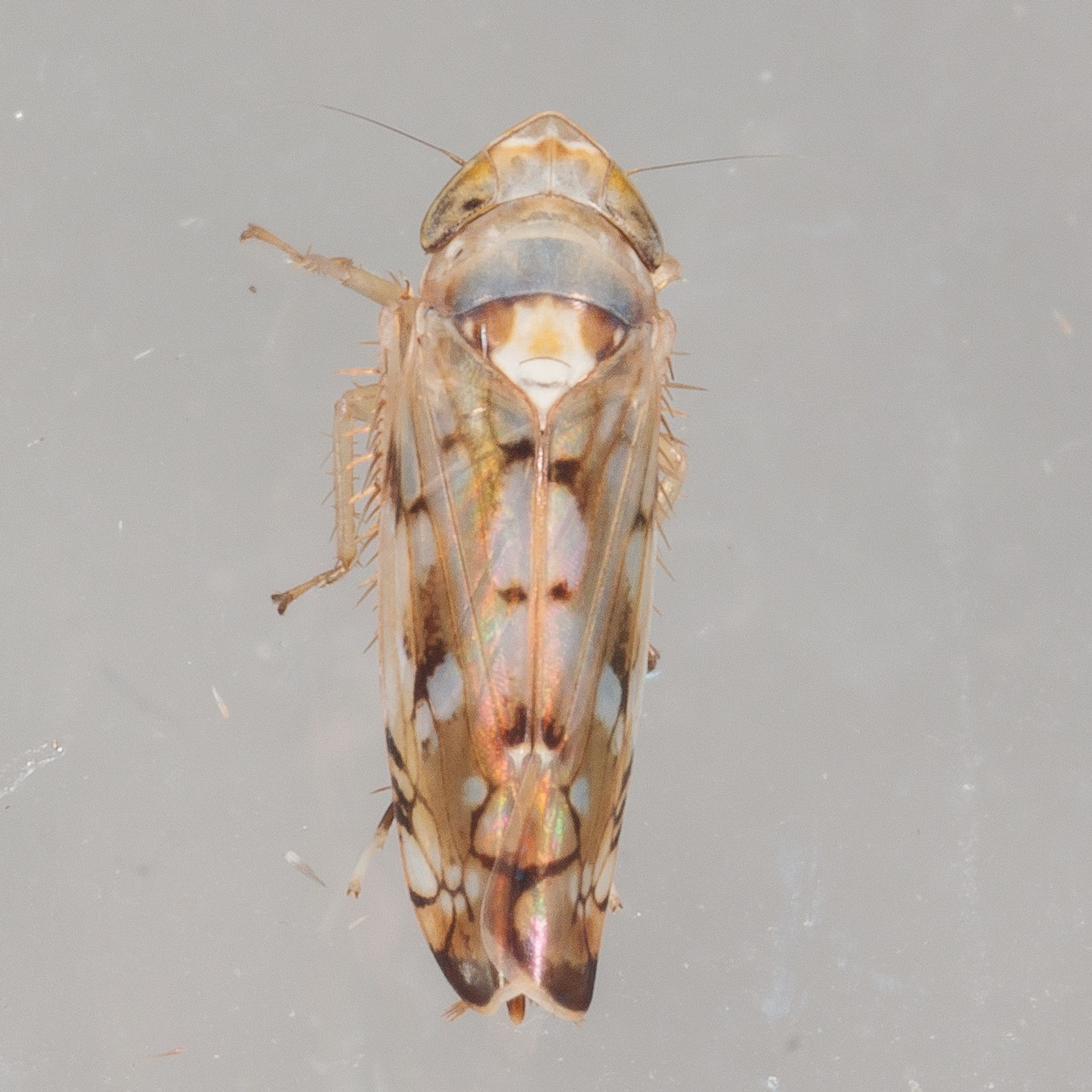
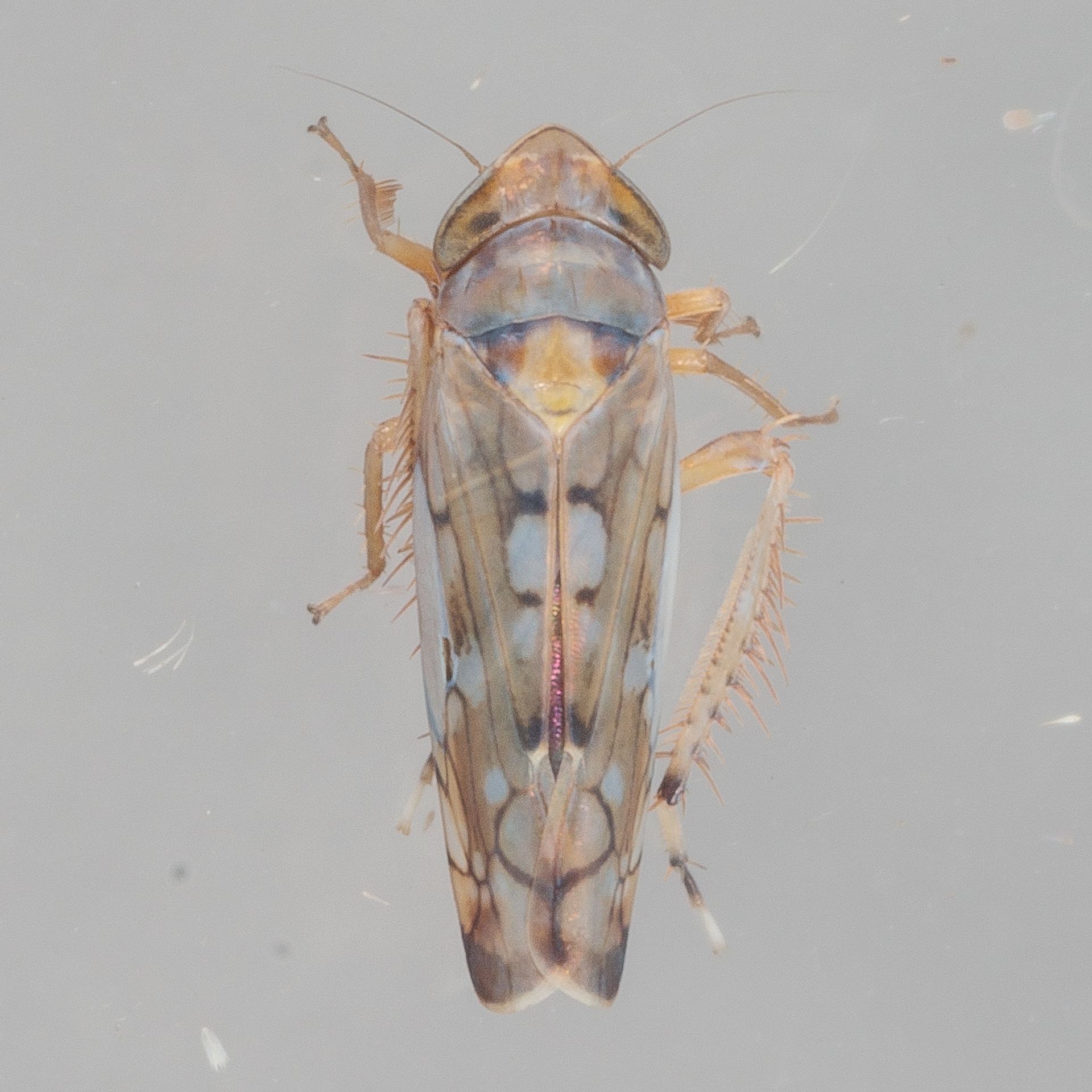
33Scaphoideus is a of leafhoppers in the Cicadellidae, Deltocephalinae. The genus is best known for Scaphoideus titanus, the American grapevine , which is the primary of Flavescence dorée phytoplasma, a serious of grapevines in European vineyards. Members of this genus are small, plant-feeding insects with . The genus has a Nearctic origin, with S. titanus introduced to Europe approximately 150 years ago, likely via American rootstock material.
Pronunciation
How to pronounce Scaphoideus: /skæfɔɪˈdiːəs/
These audio files are automatically generated. While they are not always 100% accurate, they are a good starting point.
Identification
Leafhoppers in this can be distinguished from other Deltocephalinae by features of the male genitalia, particularly the structure. -level identification requires examination of these structures. S. titanus specifically can be recognized by its association with grapevines and its known distribution in both North America and Europe.
Images
Distribution
Nearctic region (native range), including eastern United States and Canada. Introduced and established in temperate European wine-growing regions including France, Italy, Spain, Portugal, Germany, Switzerland, Austria, Slovenia, Croatia, Hungary, Romania, Bulgaria, Serbia, Montenegro, Bosnia-Herzegovina, Czech Republic, Slovakia, Moldova, and others.
Human Relevance
The is economically significant primarily through S. titanus, which Flavescence dorée phytoplasma (Candidatus Phytoplasma vitis), causing a devastating grapevine yellows in European vineyards. This has necessitated intensive use in affected regions, conflicting with EU reduction goals. Research into alternative control methods, including vibrational , is ongoing.
Sources and further reading
- BugGuide
- iNaturalist taxon
- NCBI Taxonomy
- Catalogue of Life
- Ameriški škržatek Scaphoideus titanus - parjenje - Entomology Today
- Can Vibrational Noise Be Used to Control Grapevine Leafhoppers?
- American Grapevine Leafhopper Archives - Entomology Today
- Scaphoideus titanus . [Distribution map].
- Scaphoideus titanus . [Distribution map].
- New insights on Scaphoideus titanus biology and their implications for integrated pest management
- Risk of a spreading a dangerous new grapevine disease, Flavescence dorée (FD) phytoplasma, and the distribution of its leafhopper vector (Scaphoideus titanus Ball) in Hungary
- Possibilities of environmentally acceptable control methods of American grapevine leafhopper (Scaphoideus titanus Ball, 1932)
- Scaphoideus titanus up-to-the-minute: biology, ecology, and role as a vector
- New host-parasitoid association and the Trojan horse strategy adopted by the cuckoo wasp Elampus bidens with two vectors of Flavescence Dorée: Scaphoideus titanus and Orientus ishidae
- Host preferences of the leafhopperScaphoideus titanus, vector of “flavescence dorée” phytoplasma
- Population ecology of Empoasca vitis (Göthe) and Scaphoideus titanus (Ball) in Bordeaux vineyards: Influence of migration and landscape
- Distribution of the American grapevine leafhopper (Scaphoideus titanus ball 1932) in west Romania
- Examination of the American grapevine leafhopper (Scaphoideus titanus Ball) in Debrecen and Micske (Misca, West Romania)
- Natural Products for the Control of Scaphoideus titanus in Vineyards: A Summary of Five-Year Field Trials.