Clastoptera testacea
Fitch, 1851
spittlebug
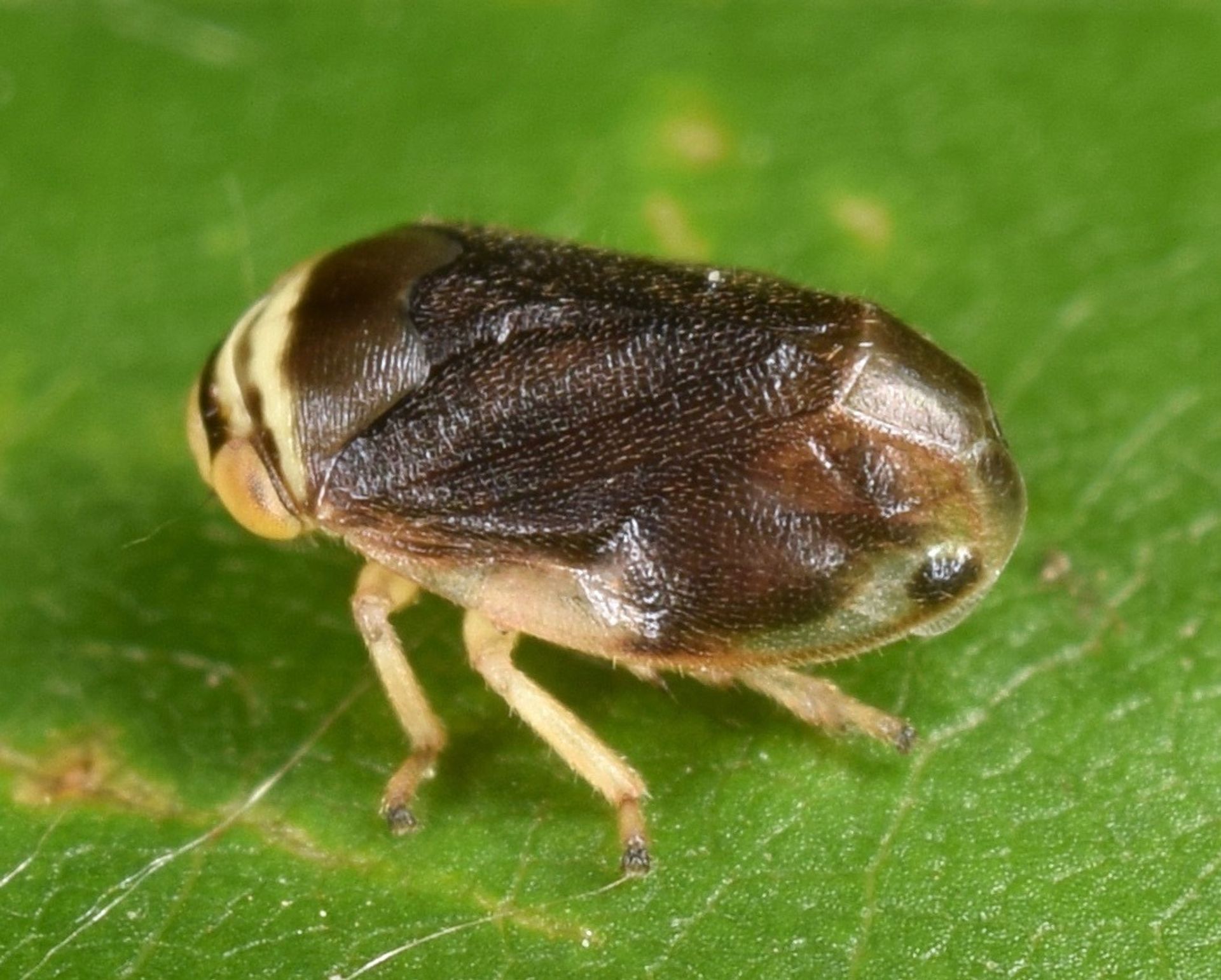
Clastoptera testacea is a of spittlebug described by Fitch in 1851. As a member of Clastopteridae, it produces protective foam masses during nymphal development. The species has been recorded as prey for the digger wasp Clitemnestra bipunctata, which provisions its nests with paralyzed spittlebugs. It occurs across eastern and central North America.
Pronunciation
How to pronounce Clastoptera testacea: /klæˈstɒptəra tɛsˈtæsiːə/
These audio files are automatically generated. While they are not always 100% accurate, they are a good starting point.
Images
Distribution
Recorded from Arizona, Colorado, Connecticut, Delaware, and District of Columbia in the United States. Distribution extends broadly across North America.
Diet
As a spittlebug, nymphs feed on xylem sap from plants. Specific host plant associations for this are not documented.
Life Cycle
Nymphs produce characteristic foam masses (spittle) that provide protection from desiccation and . emerge from this foam. Detailed timing is not documented.
Behavior
Nymphs are within protective spittle masses. are mobile and have been documented as prey items for solitary .
Ecological Role
Serves as prey for predatory including Clitemnestra bipunctata. The contributes to connections between plant-feeding Hemiptera and higher .
Similar Taxa
- Clastoptera obtususAnother spittlebug in the same , also recorded as prey for Clitemnestra bipunctata. Distinguished by specific morphological features not detailed in available sources.
- Philaenus leucophthalmusA spittlebug in Aphrophoridae, not Clastopteridae. Also preyed upon by Clitemnestra bipunctata but belongs to a different family with distinct morphological characteristics.
More Details
Predation Record
Documented as prey for the crabronid Clitemnestra bipunctata, which paralyzes and stores them in underground nest .