
Siphlonurus columbianus
McDunnough, 1925
Columbian gray drake
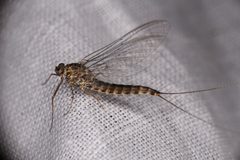
Siphlonurus columbianus is a of in the Siphlonuridae, described by James Halliday McDunnough in 1925. It is native to the Nearctic region and is one of several Siphlonurus species known to fly fishermen as "gray drakes." are medium-sized mayflies with distinctive body segmentation. Like other members of its , it has a two-winged adult stage and an aquatic nymphal stage. The species is occasionally referenced in angling literature, though detailed biological studies appear limited.
Pronunciation
How to pronounce Siphlonurus columbianus: /ˌsɪfləˈnjʊərəs kəˌlʌmˈbiːənəs/
These audio files are automatically generated. While they are not always 100% accurate, they are a good starting point.
Images
Distribution
Nearctic region; recorded from North America. GBIF distribution records indicate presence in the Nearctic biogeographic realm.
Human Relevance
Referenced in fly-fishing contexts as a member of the "gray drake" group of mayflies. Artificial fly patterns imitating Siphlonurus , including related species like S. quebecensis, are used by anglers to match the hatch when trout are selectively feeding on these insects. The stage is known to fly fishermen as a "spinner" or "gray drake."
Similar Taxa
- Siphlonurus quebecensisBoth are medium-sized Siphlonurus known as "gray drakes" to anglers; S. quebecensis is specifically called the "early brown quill" and is more frequently referenced in fly-tying literature. S. columbianus can be distinguished by authorship (McDunnough, 1925 vs. Provancher, 1878) and likely geographic and phenological differences, though specific diagnostic features are not well documented in available sources.
- Siphlonurus alternatusAnother Nearctic Siphlonurus ; separation likely requires examination of genitalia or wing venation details not available in the provided sources.