
Callibaetis ferrugineus hageni
Eaton, 1885
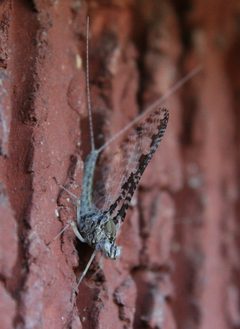
Callibaetis ferrugineus hageni is a of in the Baetidae. The Callibaetis comprises small minnow mayflies found in aquatic across North America. As with other mayflies in this genus, this subspecies has a multi-stage involving aquatic nymphs and short-lived winged . The subspecific epithet honors Hermann Hagen, a prominent 19th-century entomologist.
Pronunciation
How to pronounce Callibaetis ferrugineus hageni: //ˈkælɪˌbiːtɪs ˌfɛrəˈdʒɪniəs ˈhædʒɛnˌaɪ//
These audio files are automatically generated. While they are not always 100% accurate, they are a good starting point.
Identification
Identification to the level requires examination of genitalic structures and other fine morphological characters. Callibaetis ferrugineus hageni is distinguished from other subspecies of C. ferrugineus and from through subtle differences in male genitalia, wing venation patterns, and body coloration. Accurate identification typically requires reference to taxonomic keys and comparison with voucher specimens.
Images
Habitat
Aquatic environments including ponds, lakes, and slow-moving streams. Nymphs inhabit the benthic zone of freshwater systems. are found in riparian vegetation near water bodies.
Distribution
Nearctic region. Documented from North America with specific records from Vermont, United States. The broader Callibaetis ferrugineus has a wider distribution across North America.
Life Cycle
As with other Ephemeroptera, development includes , nymph (naiad), subimago (dun), and (spinner) stages. Nymphs are aquatic and undergo multiple . emerge from water, molt once to reach sexual maturity, mate, and die within a short period. The subimago stage is unique to mayflies among insects.
Ecological Role
Nymphs serve as benthic herbivores and in freshwater . provide food for aerial including birds, bats, and predatory insects. The Callibaetis contributes to EPT (Ephemeroptera-Plecoptera-Trichoptera) indices used for water quality assessment.
Human Relevance
Mayflies in the Callibaetis are important to fly fishing, with nymph patterns and imitations used to match natural hatches. The subimago and stages are referenced in angling terminology as "duns" and "spinners."
Similar Taxa
- Callibaetis ferrugineus ferrugineusNominate of the same ; distinguished by subtle morphological differences in genitalia and geographic distribution
- Other Callibaetis species share similar small minnow mayfly and aquatic preferences; require examination of wing venation, genitalia, and body proportions for separation
More Details
Taxonomic Authority
Described by Alfred Edwin Eaton in 1885. The specific epithet ferrugineus refers to rusty or iron-colored appearance; the subspecific epithet hageni honors Hermann August Hagen (1817-1893), German-American entomologist who made significant contributions to odonate and neuropteran .
Nomenclatural Note
As a , this represents a geographically or morphologically distinct within the polymorphic Callibaetis ferrugineus. Subspecies concepts in mayflies remain actively debated, with some authorities treating such variants as full species or synonymizing them.
Sources and further reading
- BugGuide
- GBIF taxonomy match
- iNaturalist taxon
- NCBI Taxonomy
- Don't Miss the Dragonfly Open House Nov. 6 at Bohart Museum of Entomology | Bug Squad
- Dragonfly Enthusiasts, Unite! Open House Set Nov. 6 at Bohart Museum | Bug Squad
- UBI Professor Demonstrates 'How to Draw a Bug' at Bohart Museum Open House | Bug Squad
- Listening to Larvae: How Acoustics Can Measure Efficacy of Palm Weevil Management
- Bug Eric: The Mayfly Analogy
- When pearly-eye meets dragonfly: Northern pearly-eye, Enodia anthedon, and clubtail dragonflies, Gomphidae spp. — Bug of the Week