
Callibaetis ferrugineus
(Walsh, 1862)
Red Speckled Dun
Species Guides
2Callibaetis ferrugineus is a small minnow mayfly in the Baetidae, commonly known as the Red Speckled Dun. The is distributed across northern and southwestern Canada, the western United States, and Alaska. As with all mayflies, it undergoes with aquatic nymphal stages and short-lived stages. The species includes two recognized : C. f. ferrugineus and C. f. hageni.

Pronunciation
How to pronounce Callibaetis ferrugineus: /ˌkælɪˈbiːtɪs fɛˌruːdʒɪˈniːəs/
These audio files are automatically generated. While they are not always 100% accurate, they are a good starting point.
Identification
Distinguished from other Callibaetis by subtle morphological features of wing venation, genitalia, and coloration patterns. The two (C. f. ferrugineus and C. f. hageni) differ in geographic distribution and minor morphological traits. Accurate identification to species level typically requires examination of male genitalia or detailed wing characteristics.
Images
Appearance
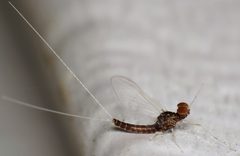
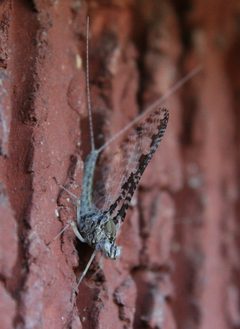
A small minnow mayfly with a body plan typical of the Callibaetis. have membranous wings held upright when at rest. The specific epithet 'ferrugineus' (rust-colored) suggests reddish-brown coloration, though detailed morphological descriptions are not provided in available sources. Nymphs are aquatic with streamlined bodies adapted for swimming in lentic environments.
Habitat
Aquatic environments including lakes, ponds, and slow-moving waters. As a member of the Baetidae , nymphs inhabit freshwater systems where they occur in the benthic zone. Specific microhabitat preferences within these systems are not well documented.
Distribution
Northern and southwestern Canada, western United States, and Alaska. The nominate C. f. ferrugineus and C. f. hageni have somewhat different geographic ranges within this overall distribution, with hageni described by Eaton in 1885.
Life Cycle
Behavior
emerge synchronously in groups. Males form mating swarms to which females are attracted. Adults lack functional mouthparts and do not feed. Females oviposit by depositing on the water surface or by descending to the bottom to attach eggs to submerged substrates.
Ecological Role
Nymphs serve as primary consumers, feeding on detritus and periphyton in aquatic . They are important components of freshwater , serving as prey for fish and other aquatic . events provide concentrated food resources for terrestrial and aquatic predators. The contributes to the EPT (Ephemeroptera-Plecoptera-Trichoptera) index used in water quality assessments.
Human Relevance
Of interest to fly anglers as the Red Speckled Dun; forms and nymphs are imitated with artificial flies. The has no documented economic importance as a pest or beneficial insect in agriculture or forestry.
Similar Taxa
- Other Callibaetis speciesCongeneric share similar body plans and preferences; require detailed examination of genitalia and wing venation for definitive separation
- Other Baetidae generaSmall minnow mayflies in related (e.g., Baetis, Pseudocloeon) overlap in size and general appearance; differentiated by specific wing venation patterns and abdominal gill structures in nymphs
More Details
Subspecies
Two are recognized: Callibaetis ferrugineus ferrugineus (Walsh, 1862) and Callibaetis ferrugineus hageni Eaton, 1885
Conservation status
No formal conservation assessment identified; appears to be widespread and relatively common within its range based on iNaturalist observation count (2114 records)
Sources and further reading
- BugGuide
- Wikipedia
- GBIF taxonomy match
- iNaturalist taxon
- NCBI Taxonomy
- Catalogue of Life
- UBI Professor Demonstrates 'How to Draw a Bug' at Bohart Museum Open House | Bug Squad
- Listening to Larvae: How Acoustics Can Measure Efficacy of Palm Weevil Management
- Bug Eric: The Mayfly Analogy
- Northern Ireland, invertebrate finds in review 2023 - Buglife Blog - Buglife
- Long-Distance Palm Weevil Flyers Threaten California Date Palms
- I Brake for Dung Beetles! | Beetles In The Bush