Acentrella turbida
(McDunnough, 1924)
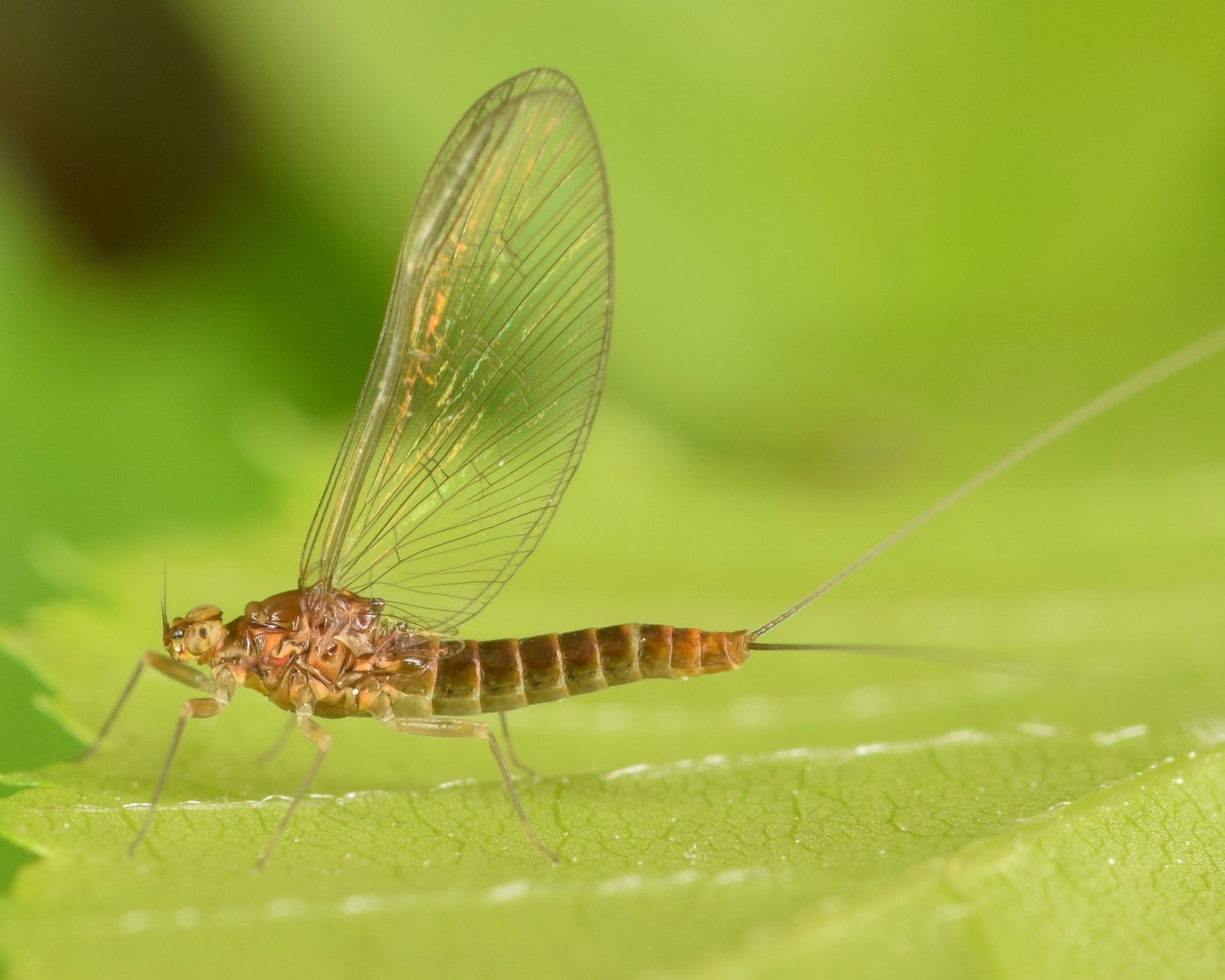
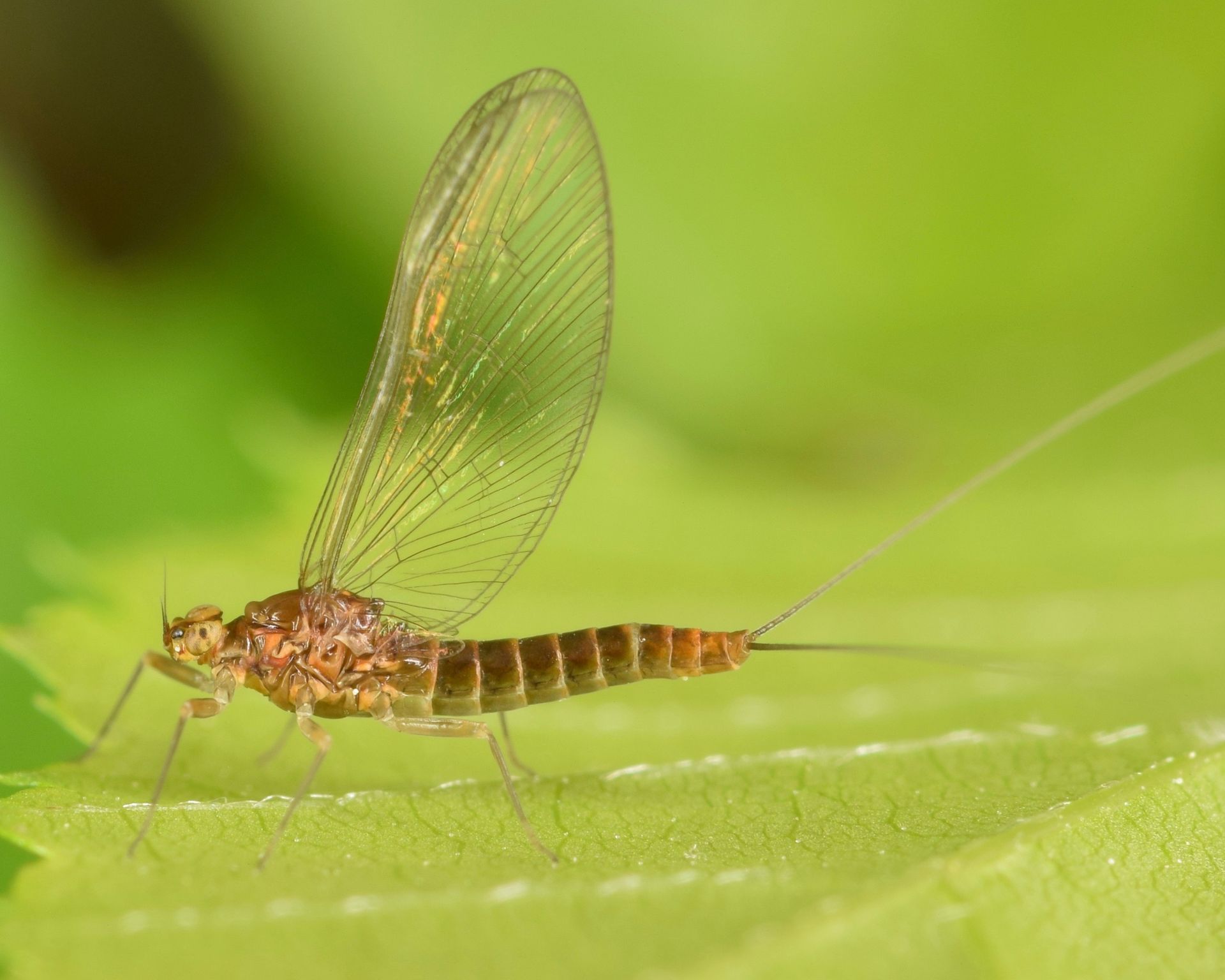
Acentrella turbida is a small minnow mayfly in the Baetidae, first described by McDunnough in 1924. It is one of the most widespread in North America, occurring across the continent from Alaska and Canada through the continental United States to northern Mexico, with additional in Central America. The species was originally described under the Pseudocloeon before being transferred to Acentrella. It belongs to a diverse genus containing numerous small, delicate mayfly species often difficult to distinguish without close examination.
Pronunciation
How to pronounce Acentrella turbida: /ˌeɪsɛnˈtrɛlə ˈtɜːrbɪdə/
These audio files are automatically generated. While they are not always 100% accurate, they are a good starting point.
Identification
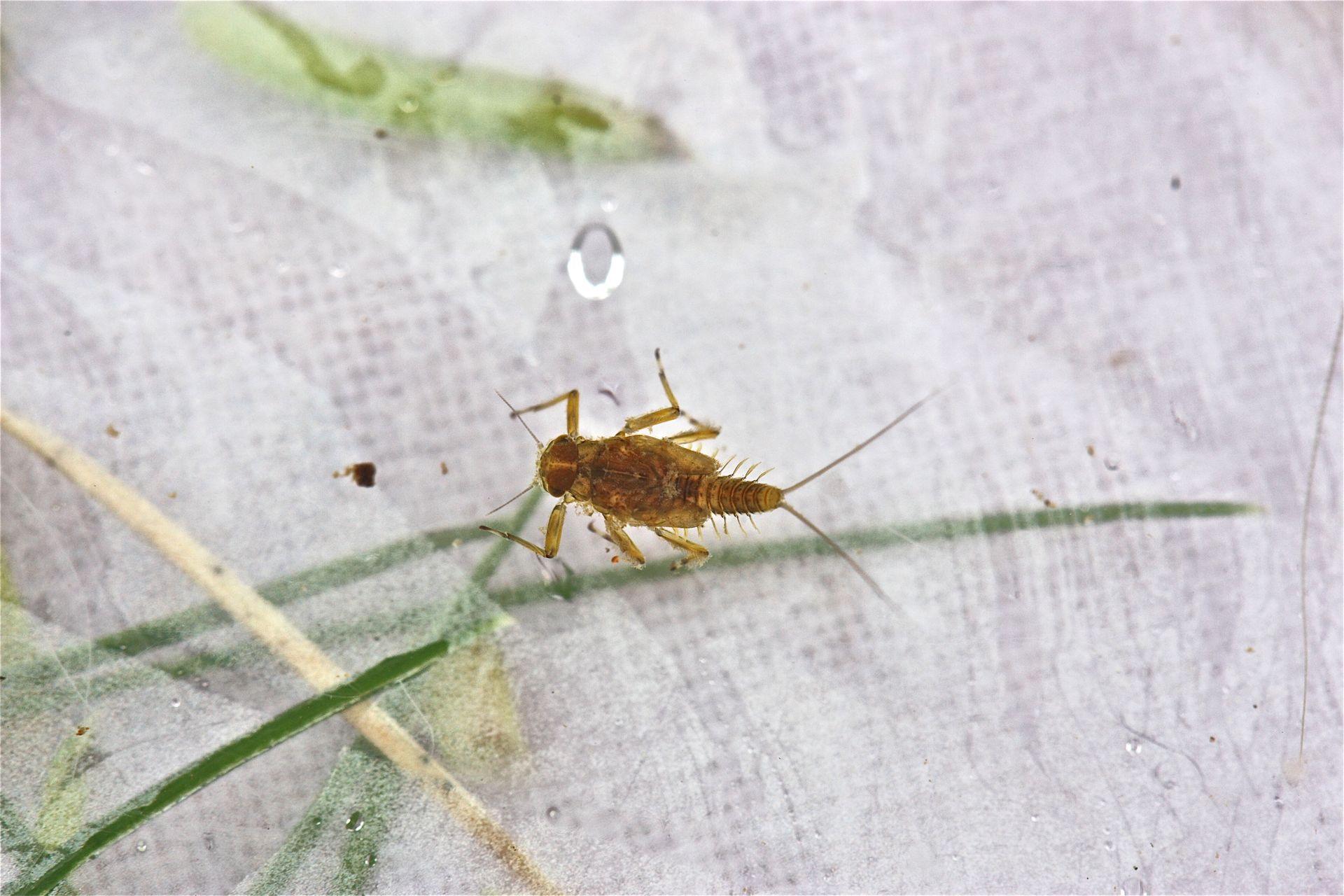
As a member of Baetidae, Acentrella turbida is a small minnow mayfly with the characteristic delicate build of this : slender body, membranous wings with reduced venation, and two or three long caudal filaments. -level identification within Acentrella generally requires examination of male genitalia, wing venation patterns, and abdominal coloration under magnification. Distinguishing A. turbida from such as A. insignificans and A. nadineae typically relies on subtle differences in forceps structure and penes in males, and gill morphology in nymphs. Field identification to species is generally not reliable without voucher specimens and expert verification.
Images
Habitat
Inferred from -level characteristics and known distribution: Baetidae nymphs inhabit flowing freshwater environments including streams, rivers, and occasionally lake margins. Acentrella turbida likely occupies similar lotic across its broad geographic range, though specific microhabitat preferences remain undocumented. Nymphs typically cling to submerged rocks, vegetation, or debris in moderate current.
Distribution
Central America and North America. In North America: all of Canada, the continental United States, Alaska, and northern Mexico. GBIF records confirm presence in the Nearctic region broadly.
Ecological Role
As a member of Baetidae, Acentrella turbida likely functions as a primary consumer in aquatic , with nymphs feeding on periphyton and detritus. serve as a food source for fish, birds, and other during events. The ' broad distribution suggests it may be an important component of regional aquatic , though specific quantitative contributions remain unstudied.
Human Relevance
No direct human relevance documented. As a widespread , it contributes to general aquatic health indicators and serves as fish food, indirectly supporting recreational fisheries. Not known to be of economic or medical importance.
Similar Taxa
- Acentrella insignificansOverlapping distribution and similar small size; distinguished by male genitalia and subtle differences in abdominal markings.
- Acentrella nadineaeSympatric in many regions; requires examination of forceps and penes structure for reliable separation.
- Baetis spp.Congeneric members with similar minnow ; distinguished by wing venation details and genitalic characters.
More Details
Taxonomic History
Originally described as Pseudocloeon turbidum McDunnough, 1924, this was later transferred to Acentrella as part of the broader reorganization of Baetidae . The basionym reflects the historical placement in a genus now considered or polyphyletic.
Collection and Study Challenges
With only 93 iNaturalist observations and limited published -specific research, much of the of A. turbida remains inferred from - or -level studies. The small size and taxonomic complexity of Baetidae mean this species is likely underrecorded and understudied relative to its apparent abundance.