
Paraleptophlebia bicornuta
(McDunnough, 1926)
pronggilled mayfly
Paraleptophlebia bicornuta is a of pronggilled mayfly described by James Halliday McDunnough in 1926. As a member of the Leptophlebiidae, it possesses the forked gills characteristic of this group. The species is known from North America, with records from the Nearctic region. Like other mayflies, it has an aquatic nymphal stage and a short-lived stage.

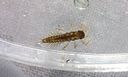
Identification
As a member of Paraleptophlebia, this can be distinguished from other leptophlebiid by features of the male genitalia and wing venation. The specific epithet "bicornuta" refers to two-horned structures, likely describing a diagnostic feature of the male genitalia. Species-level identification within Paraleptophlebia typically requires examination of male genitalia and detailed wing venation patterns.
Images
Distribution
North America; Nearctic region. The has been recorded from the NeArctic biogeographic realm.
Ecological Role
As a , nymphs likely function as or collectors in freshwater , processing organic matter and serving as prey for aquatic . are non-feeding and primarily serve reproductive functions.
Similar Taxa
- Other Paraleptophlebia speciesShare the same and require detailed examination of male genitalia and wing venation for separation.
- Leptophlebia speciesClosely related in the same ; distinguished by genitalic and wing venation characters.
More Details
Taxonomic history
Originally described as Leptophlebia bicornuta McDunnough, 1926, later transferred to the Paraleptophlebia.
Observation records
As of available data, the has relatively few documented observations (8 records on iNaturalist), suggesting it may be uncommon, undercollected, or restricted to specific .