
Toxorhina
Loew, 1850
Species Guides
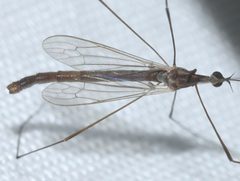
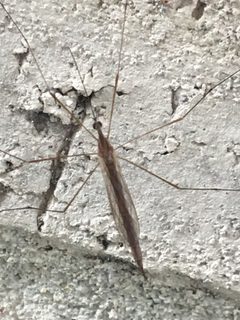
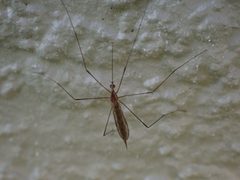
1Toxorhina is a of crane flies in the Limoniidae comprising over 150 extant across three subgenera: Ceratocheilus, Eutoxorhina, and Toxorhina. The genus is distinguished by an elongate rostrum and reduced wing venation compared to other crane flies. Members have been recorded from tropical and subtropical regions worldwide, with fossil evidence extending the stratigraphic range to the Eocene. The genus shows its highest diversity in tropical zones, particularly in the Oriental and Afrotropical regions.
Pronunciation
How to pronounce Toxorhina: /tɔksɔˈriːna/
These audio files are automatically generated. While they are not always 100% accurate, they are a good starting point.
Identification
Distinguished from other crane flies by reduced number of in the wings. Possesses a particularly elongate rostrum. Male specimens can be identified to by features of the hypopygium, including gonocoxite structure.
Images
Habitat
Tropical and subtropical climates; recorded from tropical rainforest nature reserves at elevations of 661–2123 m in Yunnan, China. Fossil associated with warm, subtropical paleoclimates (Eocene Baltic amber deposits).
Distribution
Recent: Afrotropical (28 ), Oriental (36 species), Oceanian (31 species), Panamanian (34 species), Australian (8 species), Madagascan (10 species), Nearctic (2 species: Florida and Maryland, USA), Neotropical (6 species). Fossil: Eocene Baltic amber (T. eridanus, T. christelius), Middle Miocene Stavropol, Russia (T. caucasiensis), Early Miocene Mexican amber, Chiapas, Mexico (T. mexicana), Holocene Madagascar copal (T. madagascariensis).
Diet
Has been observed feeding on flowers.
Behavior
are attracted to light and can be collected via light trapping.
Sources and further reading
- BugGuide
- Wikipedia
- GBIF taxonomy match
- iNaturalist taxon
- NCBI Taxonomy
- Catalogue of Life
- Toxorhina-magna-wp-410 - Entomology Today
- toxorhina_portrait - Entomology Today
- New finding of Toxorhina (Ceratocheilus) limoniid fly in Eocene Baltic amber and the biogeographical context of the genus
- An updated review of the genus Toxorhina Loew, 1850 (Diptera, Limoniidae) from Yunnan, China with a description of a new species.