
Limonia
Meigen, 1803
Species Guides
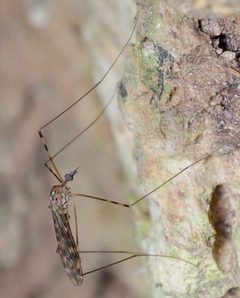
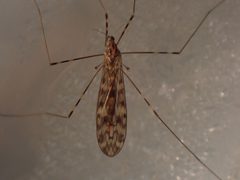
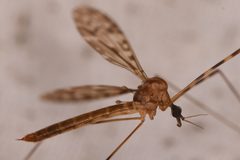
31Limonia is a of crane flies in the Limoniidae, established by Meigen in 1803. The genus is taxonomically broad and serves as a provisional grouping for that may require reclassification to other genera. Species of Limonia are found across multiple continents, with documented diversity in East Asia, Europe, and North America. The genus includes both widespread and regionally species.
Pronunciation
How to pronounce Limonia: /lɪˈmoʊniə/
These audio files are automatically generated. While they are not always 100% accurate, they are a good starting point.
Identification
can be distinguished from other Limoniidae by combinations of wing venation patterns, antennal structure, and male genitalic . Larvae of the last instar possess distinguishing morphological characters including specific arrangements of spiracular discs and cuticular structures. -level identification requires examination of detailed characters such as coloration patterns, leg spination, and hypopygial structure in males.
Images
Habitat
Aquatic and semi-aquatic environments including streams, springs, and moist terrestrial . Larvae develop in moist soil, mud, or decaying organic matter associated with water margins.
Distribution
Documented from Korea (including provinces Gangwon-do, Gyeonggi-do, Gyeongsangbuk-do, Gyeongsangnam-do, Jeollabuk-do, Jeollanam-do, Chungcheongbuk-do, Chungcheongnam-do, Jeju-do, and Ulleung-do), with broader distribution across the Holarctic region and other temperate zones.
Life Cycle
Complete with , larva, pupa, and stages. Larval development occurs in moist substrates; takes place in the same . The previously unknown larva and pupa of L. parvipennis have been described, providing morphological details for these stages.
Ecological Role
Larvae contribute to decomposition and nutrient cycling in moist soil and organic matter . are not known to feed and serve primarily reproductive functions.
Human Relevance
may be observed near water sources and are occasionally encountered by entomologists and naturalists. No significant economic or medical importance is documented.
Similar Taxa
- TipulaBoth are crane flies, but Tipula are generally larger with more robust bodies and different wing venation; Limonia species are typically smaller and more slender.
- EriopteraBoth belong to Limoniidae and share similar , but Erioptera often have distinctive wing markings and different antennal proportions.