
Epiphragma fasciapenne
(Say, 1823)
Band-winged Crane Fly
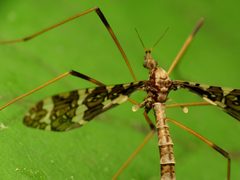
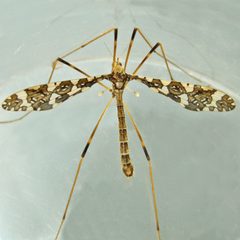
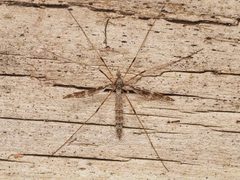
Epiphragma fasciapenne is a of limoniid crane fly native to North America. It is commonly known as the Band-winged Crane Fly, a name derived from the distinctive wing pattern that characterizes this species. The species was first described by Thomas Say in 1823 and is among the more frequently observed crane flies in its range, with over 2,800 citizen science records. It belongs to the Limoniidae, a diverse group of crane flies often found in moist woodland .
Pronunciation
How to pronounce Epiphragma fasciapenne: //ˌɛpɪˈfræɡmə ˌfæʃɪəˈpɛn.i//
These audio files are automatically generated. While they are not always 100% accurate, they are a good starting point.
Identification
The "Band-winged Crane Fly" suggests the presence of distinctive banding or fasciation on the wings, which likely serves as the primary diagnostic feature separating this from . In the Epiphragma, wing pattern is often species-specific. Positive identification requires examination of wing venation and pattern details; the specific epithet "fasciapenne" (banded wing) directly references this trait.
Images
Distribution
Nearctic region: Canada (Alberta to Newfoundland and Labrador) and the United States (south to Kansas, Louisiana, and Florida). Specific state/province records include Vermont.
Human Relevance
Frequently documented through citizen science platforms (iNaturalist), making it one of the more visible crane fly to the general public. No known economic or medical significance.
Similar Taxa
- Other Epiphragma speciesWing pattern distinguishes E. fasciapenne; typically have different wing markings or lack the characteristic banding implied by the specific epithet and .
- Other Limoniidae genera Epiphragma can be distinguished from related limoniid genera by wing venation patterns and body proportions, though specific characters require examination.
More Details
Taxonomic authority
First described by Thomas Say in 1823, making this one of the earlier described North American crane flies.
Observation frequency
With nearly 3,000 iNaturalist observations, this appears relatively conspicuous or photogenic compared to many other limoniid crane flies, possibly due to its distinctive wing pattern.