
Amphicnephes
Loew, 1873
Species Guides
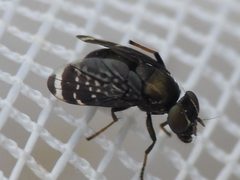
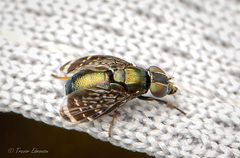
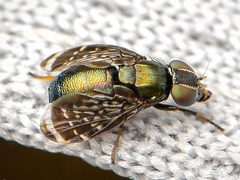
1Amphicnephes is a of signal flies ( Platystomatidae) established by Loew in 1873. The genus contains at least three described distributed across the Neotropical and Nearctic regions. Species in this genus are characterized by distinctive wing patterns typical of signal flies, though specific morphological traits distinguishing Amphicnephes from related genera remain poorly documented in accessible literature.
Pronunciation
How to pronounce Amphicnephes: //æmˈfɪk.nɛf.iːz//
These audio files are automatically generated. While they are not always 100% accurate, they are a good starting point.
Identification
Members of Amphicnephes can be recognized as Platystomatidae by the -diagnostic wing venation and body shape. Within the family, separation from related such as Rivellia and Platystoma requires examination of specific wing pattern elements and genitalic structures; published keys for Neotropical Platystomatidae should be consulted for definitive identification.
Images
Distribution
of Amphicnephes have been recorded from the Neotropical and southern Nearctic regions. Specific locality data for individual species include: A. pullus (originally described from South America), A. fasciola (described from Mexico), and A. stellatus (described from Central America). Precise range boundaries for each species are not well established.
Similar Taxa
- RivelliaBoth occur in the same geographic regions and share the general Platystomatidae body plan with patterned wings; Amphicnephes often have more extensively banded or spotted wing patterns compared to many Rivellia.
- PlatystomaOverlaps in distribution and general appearance; Amphicnephes typically lacks the pronounced in shape seen in many Platystoma .
More Details
Species composition
The currently includes three accepted : Amphicnephes fasciola Coquillett, 1900; Amphicnephes pullus (Wiedemann, 1830); and Amphicnephes stellatus Wulp, 1899. No comprehensive modern revision of the genus has been published.
Taxonomic history
A. pullus was originally described in the Trypeta (now Tephritidae) by Wiedemann in 1830, and later transferred to Amphicnephes, reflecting historical confusion between Platystomatidae and Tephritidae based on wing pattern similarities.