
Hybomitra lurida
(Fallén, 1817)
Broad-headed Horse Fly
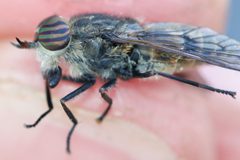
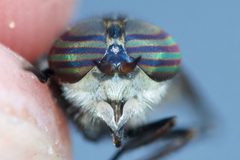
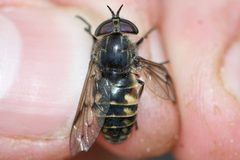
Hybomitra lurida is a large horse-fly in the Tabanidae, measuring 12–15 millimetres in length. It is distributed across central and northern Europe, Asia, and North America including Canada, Alaska, and portions of the contiguous United States. are active during summer months and are frequently associated with cattle in open landscapes.
Pronunciation
How to pronounce Hybomitra lurida: //haɪˈbɒmɪtrə ˈlʊrɪdə//
These audio files are automatically generated. While they are not always 100% accurate, they are a good starting point.
Identification
Large-bodied fly (12–15 mm) with bare subcallus and yellow spots on abdominal tergites. The combination of size, bare subcallus, and abdominal pattern distinguishes it from other Hybomitra .
Images
Habitat
inhabit open landscapes including forests and mountains, often remaining near cattle. Larval are wetlands, specifically sphagnum bogs.
Distribution
Central and northern Europe, Asia, Canada, Alaska, and portions of the contiguous United States.
Seasonality
active from May through early August in Canada; summer activity period in other regions.
Human Relevance
frequently associate with cattle, suggesting potential significance as livestock pests. Listed as a of special conservation concern in Connecticut.
Similar Taxa
- Other Hybomitra speciesH. lurida is distinguished by its bare subcallus and specific abdominal pattern of yellow spots on tergites.
Sources and further reading
- BugGuide
- Wikipedia
- GBIF taxonomy match
- iNaturalist taxon
- NCBI Taxonomy
- Catalogue of Life
- The Marvelously Cryptic Dicerca lurida | Beetles In The Bush
- JIPM Article on Masked Chafer Grubs in Turfgrass Explains Management Techniques
- ID Challenge #19 | Beetles In The Bush
- Old, But Not That Old: Debunking the Myth of Ancient Cockroaches
- Bug Eric: City Nature Challenge 2023 Recap
- Pseudoscorpiones | Beetles In The Bush