Sphaerophoria contigua
Macquart, 1847
Tufted Globetail
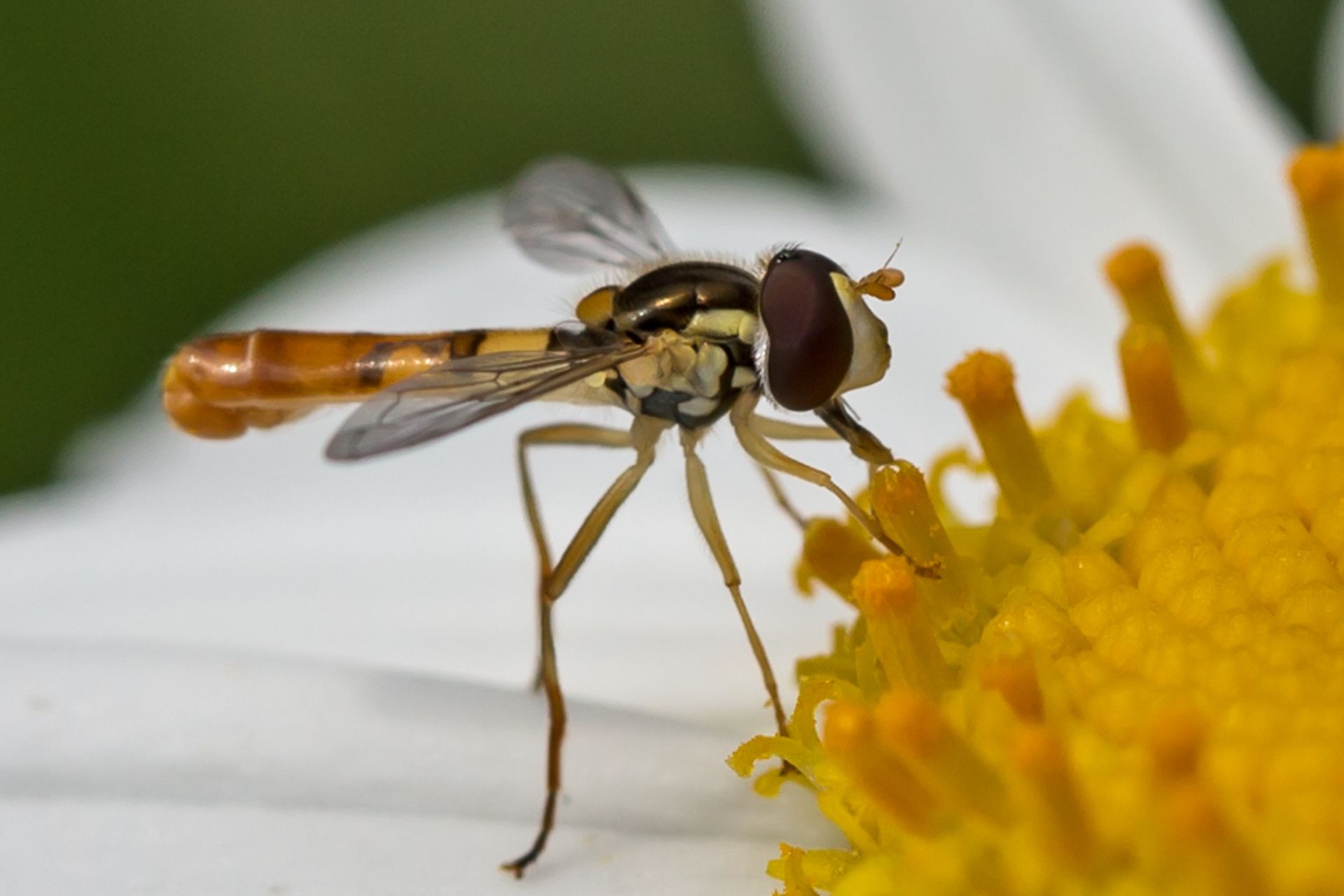
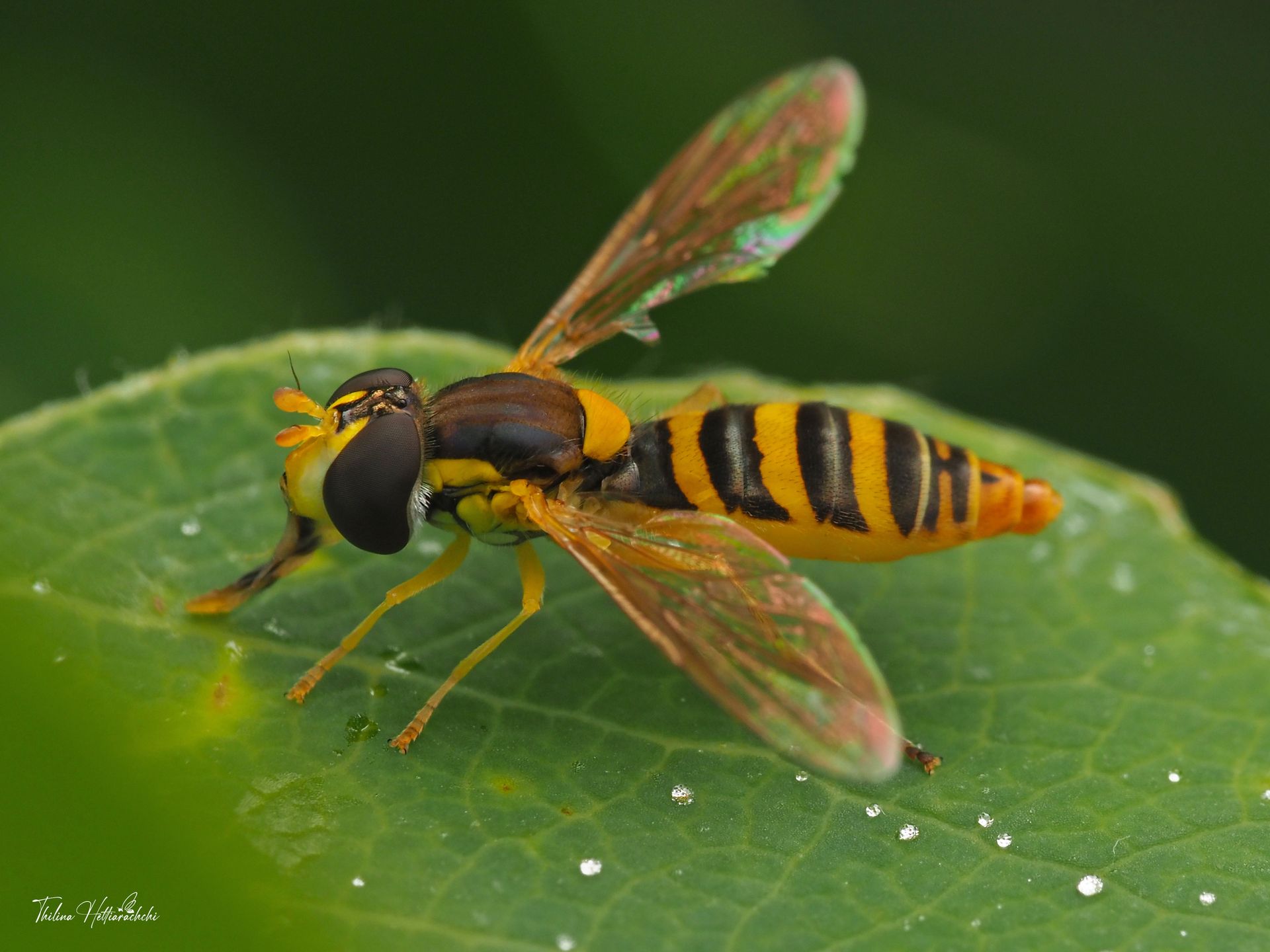
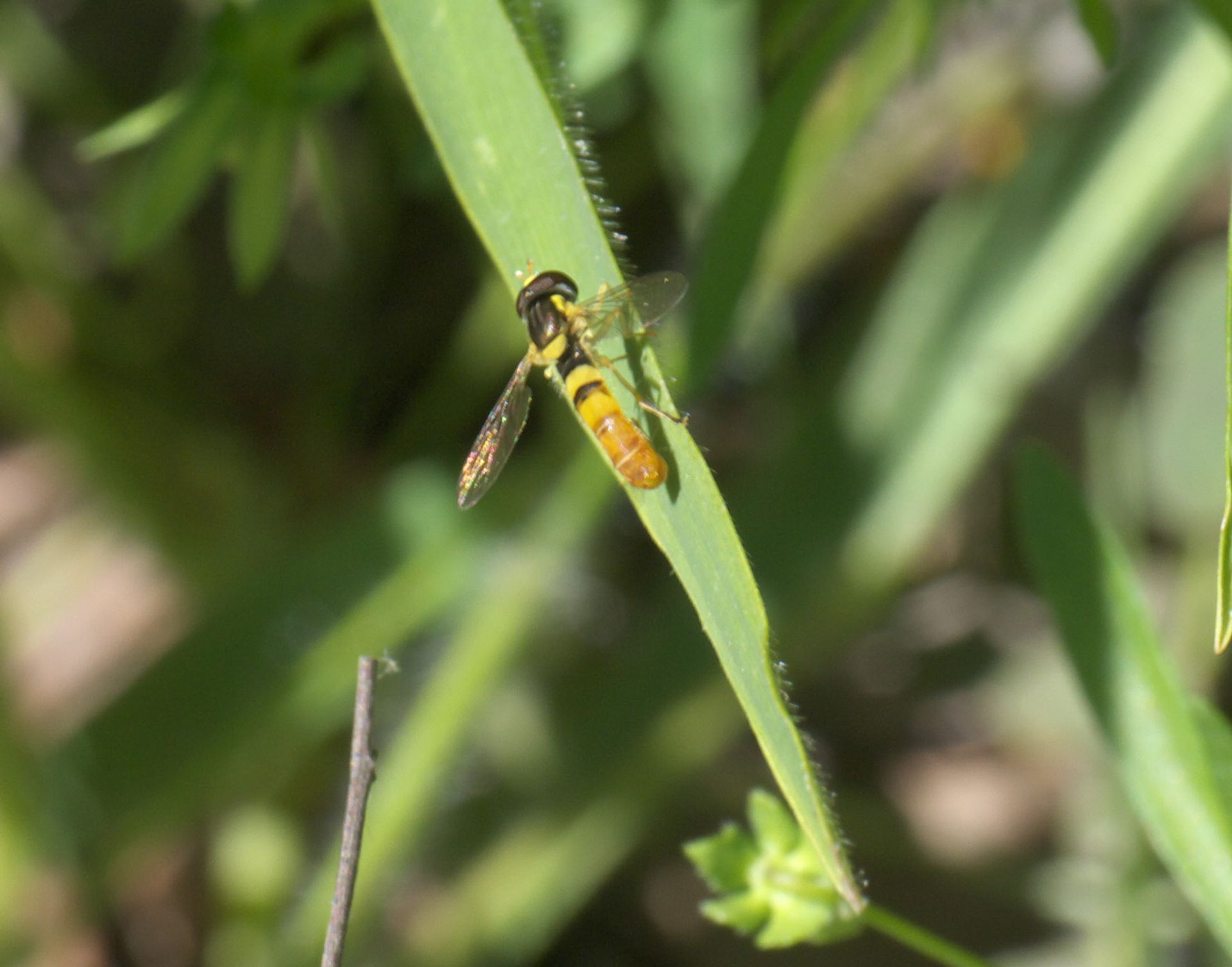
Sphaerophoria contigua is a of syrphid fly commonly known as the Tufted Globetail. As a member of the hoverfly Syrphidae, it exhibits the characteristic hovering and yellow-and-black coloration typical of many flower flies. The species is a of aphids, with larvae feeding on these soft-bodied insects. are that visit flowers for nectar and pollen.
Pronunciation
How to pronounce Sphaerophoria contigua: //ˌsfɛəroʊˈfɔːriə kənˈtɪɡjuə//
These audio files are automatically generated. While they are not always 100% accurate, they are a good starting point.
Identification
Distinguished from bees by hovering , single pair of wings, large , and short . Absence of pollen sacs (pollinia) separates it from bees, though this requires close inspection. Separated from other Sphaerophoria by contiguous abdominal markings. Females identifiable by extended ovipositor during -laying. Larvae are found on infested plants.
Images
Habitat
Found in areas with flowering plants where forage for nectar and pollen. Larval includes plants infested with aphids, particularly rose bushes and other herbaceous vegetation. Coastal and inland environments with suitable floral resources and .
Distribution
Recorded from Vermont and other parts of the United States. Distribution likely broader across North America where suitable occurs.
Diet
Larvae are , feeding on aphids. consume nectar and pollen from flowers.
Life Cycle
Complete with , larva, pupa, and stages. Females deposit oval white eggs on plants with . Larvae feed on aphids, consuming 100–400 aphids before pupating (exact number varies with relative size of syrphid and aphids).
Behavior
hover over flowers before landing to nectar. Females extend ovipositor to deposit near colonies. Adults may consume pollen and excrete waste as yellow droplets containing digested pollen grains. Observed licking honeydew from other insects.
Ecological Role
Larvae function as agents of . serve as of flowering plants. Contributes to aphid in gardens and agricultural settings.
Human Relevance
Beneficial insect for biological pest control and pollination. Often mistaken for bees or , leading to unnecessary concern. Valued in programs for control.
Similar Taxa
- Sphaerophoria philanthusSimilar with comparable yellow-and-black coloration; distinguished by specific abdominal marking patterns
- Scaeva pyrastriAnother syrphid fly with similar hovering and flower-visiting habits; distinguished by different abdominal stripe patterns and markings
- Honey bees (Apis mellifera)Commonly mistaken for syrphids due to similar coloration and flower visitation; distinguished by two pairs of wings, lack of hovering , presence of pollen sacs, and longer
Misconceptions
Frequently mistaken for bees or due to yellow-and-black coloration. The yellow droplets excreted by are sometimes misidentified as ; these are actually fecal matter containing digested pollen.
More Details
Defensive mimicry
Yellow-and-black coloration represents of stinging Hymenoptera, providing protection from despite being harmless flies
Taxonomic identification
identification within Sphaerophoria requires examination of male genitalia or detailed analysis of abdominal pattern continuity