
Meligramma cincta
(Fallén, 1817)
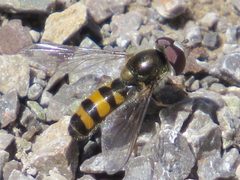
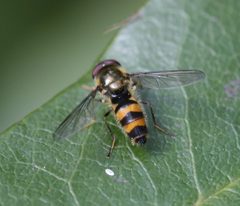
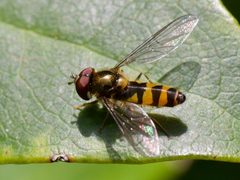
Meligramma cincta is a European hoverfly in the Syrphidae. The species has a complex taxonomic history, having been placed in multiple including Melangyna, Meligramma (as either a separate genus or subgenus), and Fagisyrphus by different authorities. It is one of approximately 529 observation records on iNaturalist.
Pronunciation
How to pronounce Meligramma cincta: //ˌmɛlɪˈɡræmə ˈsɪŋk.tə//
These audio files are automatically generated. While they are not always 100% accurate, they are a good starting point.
Identification
Distinguished from similar hoverflies by its European distribution and the taxonomic confusion surrounding its generic placement. Separation from requires examination of subtle morphological characters; the has been variously treated as Melangyna cincta, Meligramma cincta, or Fagisyrphus cincta depending on the classification system used.
Images
Distribution
Europe. Documented presence in Belgium (including Brussels-Capital Region, Flemish Region, and Walloon Region) and Denmark based on GBIF distribution records.
Similar Taxa
- Melangyna cinctaSame under alternative generic classification; Stubbs & Falk treat this species as belonging to Melangyna rather than Meligramma.
- Fagisyrphus cinctaSame under alternative generic classification; GBIF currently lists this as the accepted name with Meligramma cincta as a synonym.
More Details
Taxonomic instability
This exemplifies ongoing taxonomic debate within the Syrphidae. Different authoritative sources recognize it under three different generic names: Melangyna (following Stubbs & Falk), Meligramma (as either a distinct or subgenus), or Fagisyrphus (as treated in GBIF).