
Pipizinae
Pitheads & Kin
Genus Guides
4- Heringia(Smoothleg Flies)
- Neocnemodon(Smoothleg fly)
- Pipiza(Pitheads)
- Trichopsomyia
Pipizinae is a of hoverflies (Syrphidae) containing approximately 70 across eight extant . Formerly classified as a tribe within Eristalinae, molecular phylogenetic studies published in 2015 reinstated it as a distinct subfamily, sister to Syrphinae. Members are small to medium-sized flies, predominantly black in coloration with some species displaying orange abdominal markings. The subfamily is notable for its specialized larval on aphids, particularly wax-secreting species.
Pronunciation
How to pronounce Pipizinae: /ˌpɪpɪˈziːniː/
These audio files are automatically generated. While they are not always 100% accurate, they are a good starting point.
Identification
Distinguished from other hoverfly by the combination of: small to medium size, predominantly black body coloration with reduced patterning, and the somewhat flattened or concave profile. Distinguished from Syrphinae by larval (predatory rather than saprophagous or phytophagous) and morphological features supported by molecular data. Distinguished from Eristalinae by generally smaller size and lack of the broad, flattened typical of many eristalines. -level identification requires examination of male genitalia and other fine structural characters.
Images
Appearance
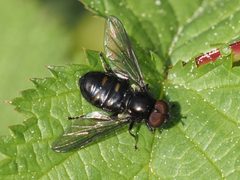
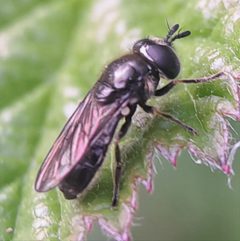
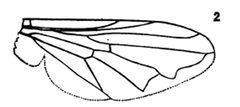
Small to medium-sized hoverflies, generally 5-12 mm in body length. Coloration predominantly black, with some exhibiting orange or reddish spots on the . Wing venation typical of Syrphidae with characteristic spurious . often appears somewhat flattened or concave dorsally, contributing to the 'Pitheads'. in males, dichoptic in females. short with aristate structure.
Habitat
Associated with supporting , particularly those with wax-secreting aphids. Occurs in wooded areas, meadows, and other vegetation-rich environments where aphids are present. Specific microhabitat preferences vary by and .
Distribution
Holarctic distribution with greatest diversity in the Palearctic region. Recorded across Europe, Asia, and North America. New country records continue to be documented, including recent first records from Ukraine for such as Pipiza accola.
Seasonality
period varies by and latitude; generally active from spring through autumn in temperate regions. Peak activity typically coincides with peak .
Diet
Larvae are obligate of aphids (Aphidoidea), with documented preference for wax-secreting aphids, particularly members of Pemphigidae. feeding habits not well documented; presumed to feed on nectar and pollen like other hoverflies, though specific records are sparse.
Host Associations
- Aphidoidea - preyLarval food source; preference for wax-secreting
- Pemphigidae - preyPreferred larval prey due to wax secretion
Life Cycle
Complete with , larval, pupal, and stages. Larvae are active within colonies. occurs in soil or leaf litter. Specific details of egg-laying and developmental duration vary among and are not well documented for most .
Behavior
Larvae actively hunt within colonies, using wax secretions for camouflage or protection. are not known to exhibit specialized beyond typical hoverfly patterns; specific mating behaviors and territoriality have not been documented.
Ecological Role
agents through larval on . Contribution to aphid in natural and agricultural , particularly where wax-secreting aphids occur.
Human Relevance
Potential value in of pests, though not as widely studied or utilized as some other aphidophagous hoverflies. No documented negative impacts.
Similar Taxa
- SyrphinaeSister ; distinguished by larval (Syrphinae larvae are predominantly saprophagous, phytophagous, or feed on non-wax-secreting prey) and molecular phylogenetic characters.
- EristalinaeFormerly contained Pipizinae as a tribe; distinguished by generally larger size, broader abdominal shape, and different larval (often saprophagous in decaying organic matter).
More Details
Taxonomic History
Reclassification from tribe to in 2015 based on phylogenetic analysis by Mengual et al., resolving long-standing uncertainty about its rank. This reclassification reflects its distinct evolutionary trajectory as sister to Syrphinae.
Fossil Record
Includes fossil †Oligopipiza from the Middle Oligocene (~28 million years before present), indicating ancient divergence within the hoverfly lineage.
Research Needs
feeding , detailed parameters, and -level distributions remain poorly documented for most .