Parhelophilus flavifacies
(Bigot, 1884)
Black-legged Bog Fly
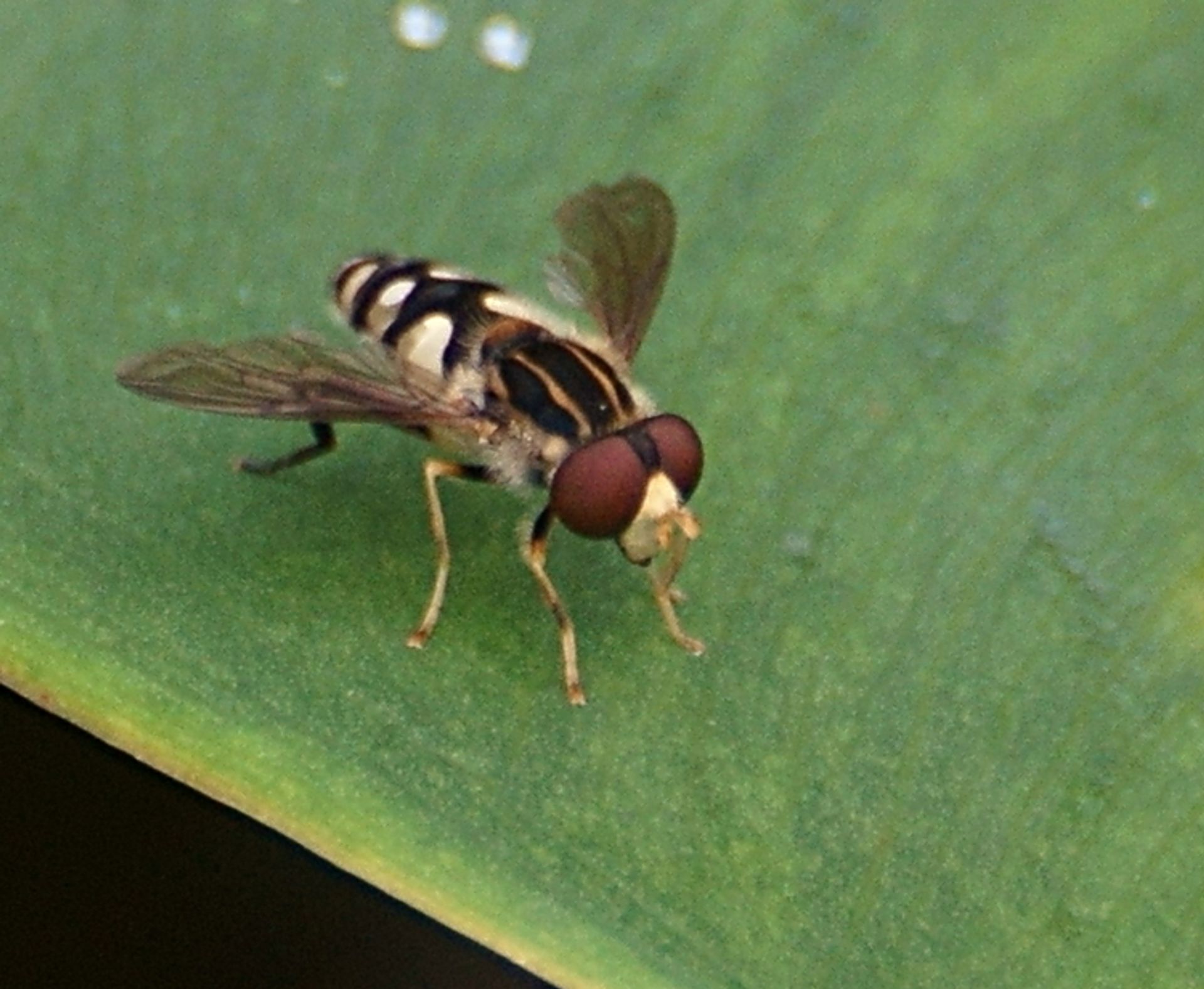
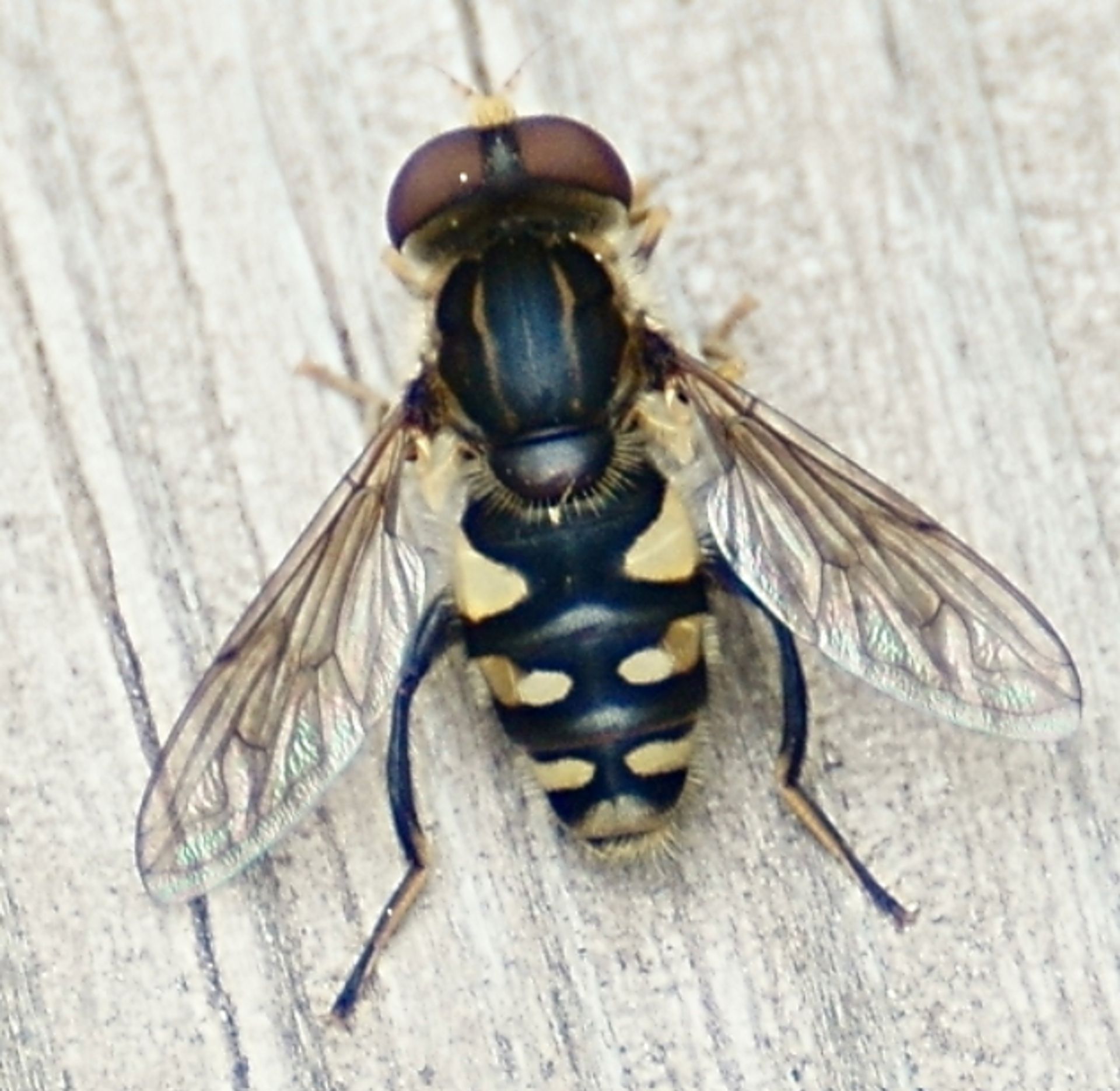
Parhelophilus flavifacies, commonly known as the Black-legged Bog Fly, is a rare of syrphid hoverfly found in eastern North America. are flower-visiting insects that obtain nectar and pollen from blossoms. The larvae develop as rat-tailed maggots, an aquatic or semi-aquatic form adapted to wet, organic-rich environments such as bogs.
Pronunciation
How to pronounce Parhelophilus flavifacies: /ˌpɑːrˌhɛloʊˈfaɪləs ˌflævɪˈfeɪsiːz/
These audio files are automatically generated. While they are not always 100% accurate, they are a good starting point.
Identification
The 'Black-legged Bog Fly' suggests dark leg coloration as a distinguishing feature. As a member of the Parhelophilus, it shares the general syrphid fly body plan with large and a single pair of wings. Specific diagnostic characters separating it from such as P. integer and P. laetus are not documented in available sources.
Images
Habitat
Associated with bog environments based on the . The larval rat-tailed indicates development in wet, decomposing organic matter with low oxygen conditions.
Distribution
Eastern United States and Canada. Documented from 113 iNaturalist observations as of source date.
Diet
feed on nectar and pollen from flowers. Larval diet is presumed to consist of decomposing organic matter and associated microorganisms in aquatic or semi-aquatic , consistent with rat-tailed maggot .
Life Cycle
Larvae are of the 'rat-tailed' type—elongated, aquatic or semi-aquatic maggots with a telescoping respiratory siphon that allows breathing while the body remains submerged in decomposing substrate. and likely occur in or near the larval .
Behavior
have been observed hovering, a characteristic syrphid . They are flower visitors, foraging for nectar and pollen.
Ecological Role
may contribute to pollination of flowering plants. Larvae likely function as decomposers in bog , processing organic matter in saturated, low-oxygen conditions.
Human Relevance
No documented economic or medical significance. The is considered rare and may be of conservation interest due to bog specialization.
Similar Taxa
- Parhelophilus integerCongeneric syrphid fly with overlapping eastern North American distribution; separation requires examination of subtle morphological characters not specified in available sources.
- Parhelophilus laetusAnother eastern North American ; distinguishing features from P. flavifacies are not documented in the provided sources.
More Details
Rarity Status
Described as 'rare' in Wikipedia source, with limited observation records (113 iNaturalist observations) relative to more common syrphid .