
Parhelophilus laetus
(Loew, 1863)
Common Bog Fly
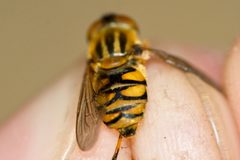
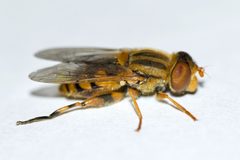
Parhelophilus laetus is a hoverfly in the Syrphidae, commonly known as the Common Bog Fly. It is associated with wetland , particularly bogs and marshes. The species is found in North America, with records from the northeastern United States and adjacent Canada.
Pronunciation
How to pronounce Parhelophilus laetus: /ˌpɑːrhɛˈlɒfɪləs ˈliːtəs/
These audio files are automatically generated. While they are not always 100% accurate, they are a good starting point.
Identification
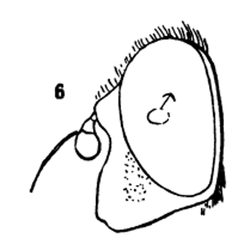
Members of the Parhelophilus can be distinguished from similar hoverflies by their association with bog and specific wing venation patterns. The name 'laetus' (meaning cheerful or bright) may refer to coloration, but specific diagnostic features for P. laetus require expert examination.
Images
Habitat
Wetland , particularly bogs, fens, and marshes. The and association indicate a strong fidelity to saturated, acidic, or peat-rich environments.
Distribution
North America; recorded from Vermont and other parts of the northeastern United States. Distribution likely extends into adjacent Canadian provinces, though specific records are limited in the provided sources.
Ecological Role
As a syrphid fly, likely contributes to pollination of wetland flora. Larvae of related Parhelophilus are aquatic or semi-aquatic, feeding on decaying organic matter in wetland sediments, though specific larval of P. laetus is not documented in the provided sources.
Similar Taxa
- Parhelophilus versicolorCongeneric with similar wetland preferences; requires examination of color pattern and genitalia for definitive separation.
- Helophilus speciesRelated within the same tribe Eristalini; Parhelophilus are generally smaller and more restricted to bog than the more widespread Helophilus.
More Details
Taxonomic Note
Authority sometimes cited as (Loew, 1963) in some databases, but original description was 1863. Placed in subtribe Helophilina within tribe Eristalini.
Observation Data
iNaturalist records 878 observations, indicating the is regularly encountered by naturalists in suitable , though it may be under-recorded due to identification challenges.