
Trachyopella
Duda, 1918
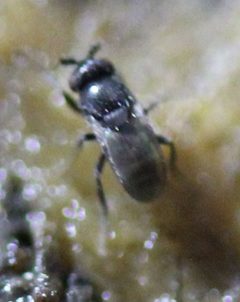
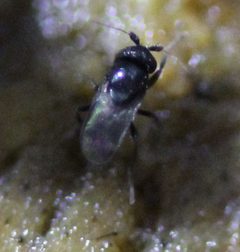
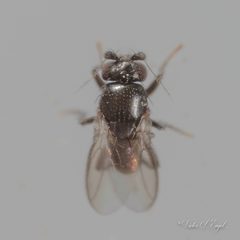
Trachyopella is a of small flies in the Sphaeroceridae, commonly known as lesser dung flies. The genus was established by Duda in 1918 and currently includes approximately 30 described divided into two subgenera: Trachyopella and Nudopella. Species within this genus have been recorded from Europe, North America, and parts of Asia and Oceania.
Pronunciation
How to pronounce Trachyopella: //ˌtrækioʊˈpɛlə//
These audio files are automatically generated. While they are not always 100% accurate, they are a good starting point.
Identification
Trachyopella are distinguished from other Limosininae by characters of the male genitalia and wing venation. The subgenus Nudopella is characterized by reduced chaetotaxy on the . Definitive identification to species level requires examination of male terminalia and is not possible from external characters alone.
Images
Distribution
Recorded from Denmark, Norway, and Sweden based on specimen data; additional described from the United Kingdom, Germany, Taiwan, New Guinea, and Hawaii suggest a broader distribution in the Holarctic and parts of the Indo-Pacific.
Similar Taxa
- LimosinaBoth belong to Limosininae and share small body size and reduced wing venation; Trachyopella is distinguished by male genitalic structure and details of costal break.
- SphaeroceraSphaerocera is the type of Sphaeroceridae and differs in having a more robust body form and distinctively modified fore in males.
More Details
Subgeneric classification
The is divided into two subgenera: Trachyopella Duda, 1918 (type : T. coprina) and Nudopella Roháček & Marshall, 1986 (type species: T. leucoptera). The latter was established based on reduced setation.
Taxonomic history
Several were originally described in other , including Copromyza, Limosina, and Borborus, and later transferred to Trachyopella based on revisionary work by Roháček, Marshall, and others in the 1980s–1990s.